Does Water Softener Affect Water Pressure

Ever stood under a shower head that felt more like a drizzle than a waterfall? You’re probably not alone, and your first thought might be, “Is my water softener the culprit?”...

Ever stood under a shower head that felt more like a drizzle than a waterfall? You’re probably not alone, and your first thought might be, “Is my water softener the culprit?”
It’s a totally fair question. We install these big tanks to make our water feel silky and save our pipes from scale, but nobody wants to trade that for a weak stream. So, does that softener actually choke your flow?
The short answer: not really—but it’s complicated
Here’s the cool part: a properly installed and maintained water softener doesn't reduce your water pressure. In fact, it can help improve it over time. Think of it like a good pair of glasses—at first you might feel a little weird, but they actually help you see better.
Must Read
Water pressure is about force—how hard the water pushes through your pipes. A softener isn’t a pump or a valve that squeezes; it’s just a tank filled with resin beads that swap minerals. The real pressure thief is usually something else, like old galvanized pipes or a clogged aerator.
But wait—before you relax, let’s dig into the one key factor that can make a difference: flow rate. Pressure and flow are cousins, not twins.
What’s the difference between pressure and flow?
Imagine a garden hose. If you put your thumb over the end, the pressure stays high, but the flow drops to a trickle. That’s not what a softener does—but a poorly sized one can act like a kink in the hose.
Water softeners have a “service flow rate”—how much water they can treat per minute without struggling. If your softener is too small for your household, it feels like trying to sip a milkshake through a coffee stirrer. The pressure might stay okay, but the flow slows down when multiple faucets are on.
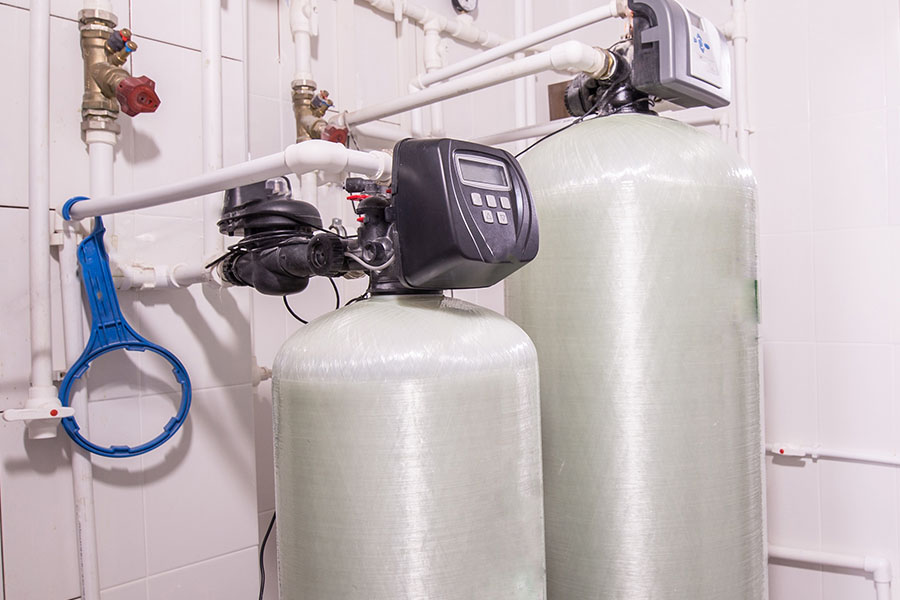 Can a Water Softener Affect Water Pressure - Homeowner Tips
On the flip side, a softener that’s too big? That’s rare, but it can cause “channeling”—water sneaking through without proper contact with the resin. That won’t kill your pressure, but it kills the softening, which is a whole different bummer.
The secret: maintenance is the real MVP
Here’s where it gets interesting. The #1 reason people blame their softener for low pressure is clogged pre-filters. Most softeners have a sediment filter before the tank that catches dirt, rust, or sand from your well or municipal supply.
When that filter gets gunked up, it’s like putting a dirty sock over a straw. The softener isn’t the problem—the filter is. Monthly cleaning or replacement keeps your water flowing like a mountain stream.
Another sneaky culprit? Air in the system. After a regeneration cycle, tiny air bubbles can get trapped in your pipes, making taps sputter and pressure drop temporarily. It’s harmless and usually clears in a minute—like a sneeze in the plumbing.
The fun comparison: it’s like a speed bump, not a roadblock
Think of your home’s plumbing as a highway. Water pressure is the speed limit, and your softener is a speed bump—it doesn’t stop traffic, it just smooths it out. A speed bump (a well-sized softener) makes everything safer and nicer. But if someone builds a mountain out of that bump (like a blocked filter or a worn-out resin bed), then you’ve got a traffic jam.
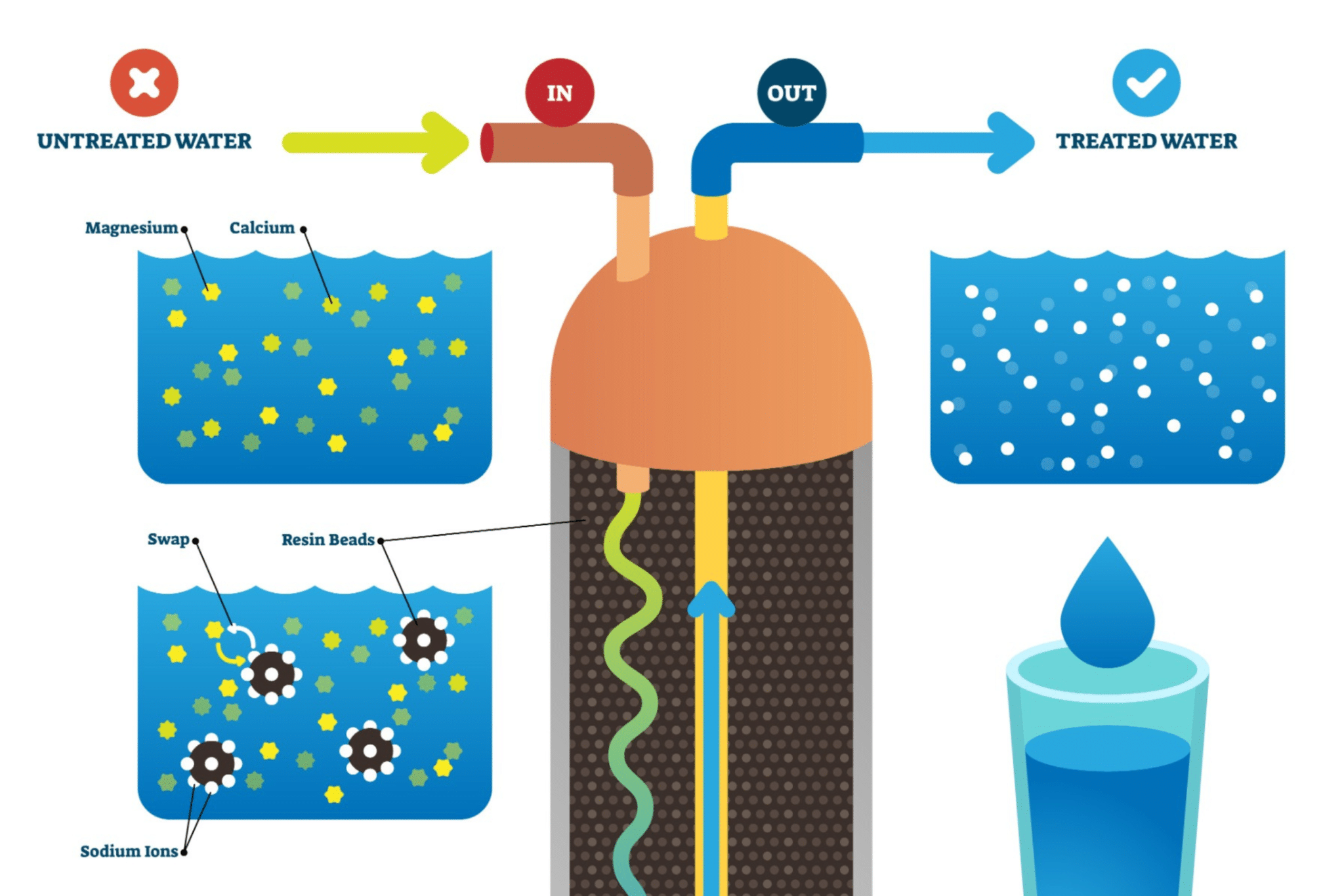 How Does a Water Softener Work? - Aquanology Water Conditioning
Now, here’s the cool twist: hard water actually builds scale inside pipes over years. That scale narrows the pipe’s diameter, which kills pressure. By preventing that build-up, a softener is like a pipe’s personal trainer—it keeps them clean and wide open. So long-term, a softener might actually increase your pressure compared to not having one at all.
When should you actually worry?
If you installed a softener and suddenly your pressure dropped, don’t panic—but do check a few things. First, look at the bypass valve. If it’s partially closed, that’s your problem, not the softener itself. Second, listen for running water—if the softener is stuck in regeneration, it can divert flow away from your taps until it finishes (usually 15–30 minutes).
Finally, size matters more than you think. A softener rated for 10 gallons per minute (GPM) can handle most homes, but if you have a huge bathtub and a sprinkler running at the same time, you might feel a dip. In that case, a dual-tank system or a higher-capacity model is your friend—like upgrading from a sedan to a pickup truck.
The bottom line: chill out and check the simple stuff
Water softeners are not water-pressure vampires. They’re more like quiet bodyguards that protect your pipes from mineral villains. Nine times out of ten, low pressure is caused by something boring—a clogged screen in the faucet, a half-shut valve, or a pressure regulator going bad.
So before you blame that sleek white tank, take a deep breath. Your softener is probably innocent, and your pressure is just fine—or about to get better. Now go enjoy a shower that feels like a gentle rain, not a pitiful drip.
