Where Does Bottled Spring Water Come From

You know that crisp, clean taste of bottled spring water—the one that makes you feel like you’re sipping from a mountain stream? Turns out, the reality is a little less poetic...
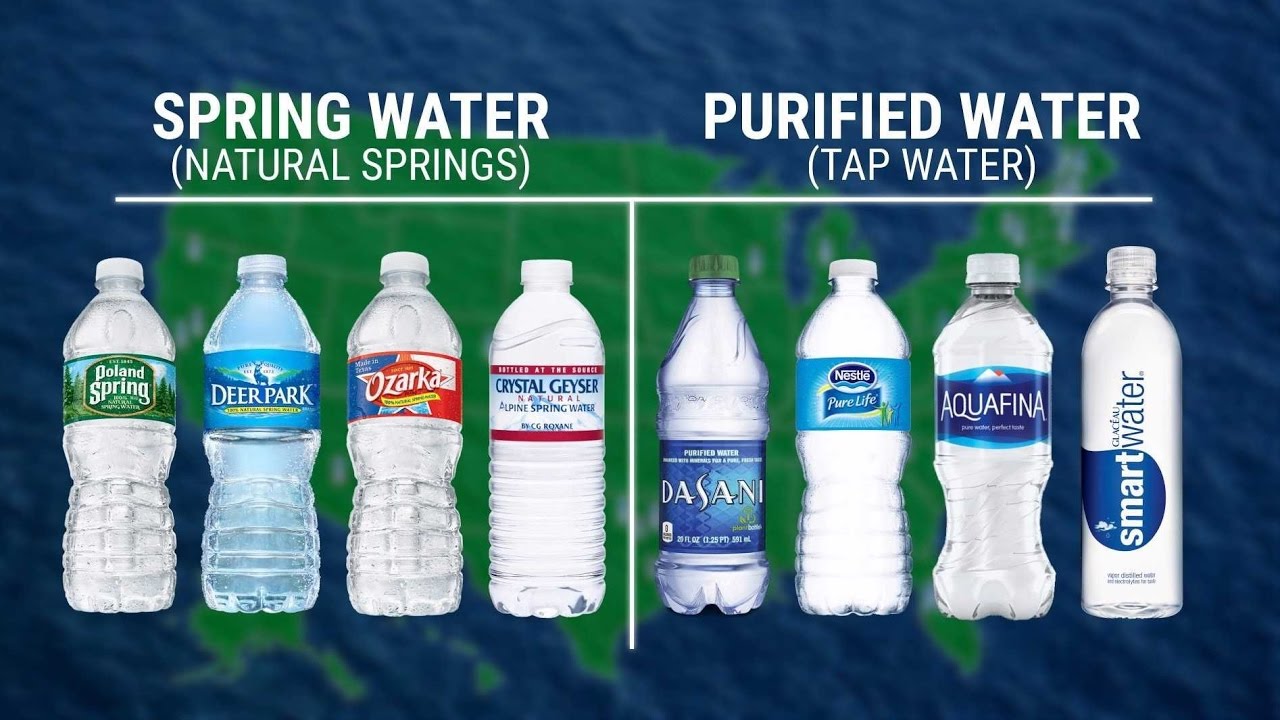
You know that crisp, clean taste of bottled spring water—the one that makes you feel like you’re sipping from a mountain stream? Turns out, the reality is a little less poetic, but just as fascinating. Most of that water doesn’t actually come from a babbling brook you can Instagram.
It comes from groundwater aquifers, deep underground layers of rock and sand that act like natural filters. Think of them as the planet’s own Brita, slowly purifying rainwater over decades, even centuries.
The Journey from Rain to Bottle
Spring water begins as precipitation—rain or snow—that seeps into the earth. It travels down through soil and rock, picking up minerals like calcium and magnesium along the way, which give it that signature taste.
Must Read
Eventually, it collects in an aquifer, a natural underground reservoir. A spring is simply a place where that water naturally flows to the surface, often at the base of a hill or in a valley.
Bottling companies don’t just set up a hose at any random puddle. They buy or lease land over a protected aquifer, drill a well, and capture the water before it touches the air, preserving its purity.
The “Protected Source” Claim—Fact or Fiction?
Labels boast of “protected sources,” and most are legit: the land is often fenced off from livestock and development. But here’s the kicker: that doesn’t mean the water is guaranteed to be pristine forever.
Contaminants like agricultural runoff or microplastics can still find their way in, albeit rarely. The FDA regulates bottled spring water, but standards for testing frequency vary by brand—so a little skepticism is healthy.
Fun fact: Approximately 30% of bottled water is actually just treated tap water, not real spring water. If the label says “purified” or “drinking water,” you’re drinking the same stuff from your kitchen sink, just in a fancy package.
Where in the World is Your Water From?
Top spring water sources are often in places with clean, remote geography: the French Alps (think Evian), Fiji’s volcanic islands, or Maine’s forests (Poland Spring). Each region’s geology adds unique mineral profiles—Fiji’s has silica, making it silky; Evian’s has high magnesium, giving it a full mouthfeel.
 How Spring Water is Bottled in Factory - From Source to the Table - YouTube
Ever notice how water from different places tastes different? That’s the terroir—yes, just like wine. Water from the Scottish Highlands might be soft and peaty, while Icelandic water is famously pure and neutral.
Practical tip: Check the bottle’s label for the source location. If it says “bottled at the source,” you’re getting the real deal. If it says “manufactured” or “produced,” you’re likely getting a blend or treated water.
The Carbon Footprint of your Sip
Here’s the uncomfortable part: shipping heavy water bottles across oceans is incredibly energy-intensive. A liter of Fiji water travels over 8,000 miles to reach your gym bag, generating a carbon footprint roughly 2,500 times larger than tap water.
That same liter might also be wrapped in plastic, which can leach chemicals over time—especially if left in a hot car. Not exactly spa-worthy, right?
Smart move: Buy local spring water if you love the taste, but want to reduce emissions. Many regional brands source from nearby springs, so check for a local label at your grocery store.
Cultural Cachet and the Status Sip
Bottled spring water has become a status symbol since the 1970s, thanks to marketing that turned plain H₂O into a luxury. Think of celebrity endorsements or the distinctive blue glass bottles of Sarabeth’s—it’s all about the aesthetic.
In movies, a character sipping a glass bottle of expensive water signals wealth or pretension—remember American Psycho’s Patrick Bateman obsessing over his Evian? It’s a cultural shorthand for “I have taste and I’m busy.”
 Is It Ok To Drink Bottled Spring Water at Dennis Raleigh blog
Fun cultural fact: In Japan, high-end bottled waters are often served at tea ceremonies or gifted as a sign of respect. The water’s source is treated almost with reverence, like a sacred spring.
What About the Plastic?
Over 1 million plastic bottles are bought every minute globally, and only 9% get recycled. The rest end up in landfills or the ocean. That spring water might taste clean, but its packaging often isn’t.
If you’re eco-conscious, consider a reusable bottle with a built-in filter. You can fill it at home and get that same crisp taste without the guilt. Many brands now sell “home delivery” of spring water in glass jugs—a retro solution that’s making a comeback.
Shortcut: Look for water in glass bottles or aluminum cans—both are infinitely more recyclable than plastic. They also keep water cooler, which is a bonus when you’re hiking or commuting.
A Final Sip of Reflection
Next time you twist open a bottle of spring water, take a second to appreciate the invisible journey: rain falling millions of years ago, filtering through ancient rock, then traveling thousands of miles just to quench your thirst. It’s a little miracle, really.
But remember, where that water comes from—and how it’s packaged—matters just as much as the taste. You don’t need to be a hydrologist or a hipster to make an informed choice.
The simplest reflection? Water is life, but your choice is power. Whether you sip from a mountain spring or a tap, the purest thing you can do is drink with awareness—and maybe raise a glass to the old rain that made it possible.
