How Does Water Softener Regeneration Work

So, What’s the Deal with Water Softener Regeneration? Alright, let’s talk about something your water softener does that feels a bit like magic—or maybe a tiny, hidden car was...
So, What’s the Deal with Water Softener Regeneration?
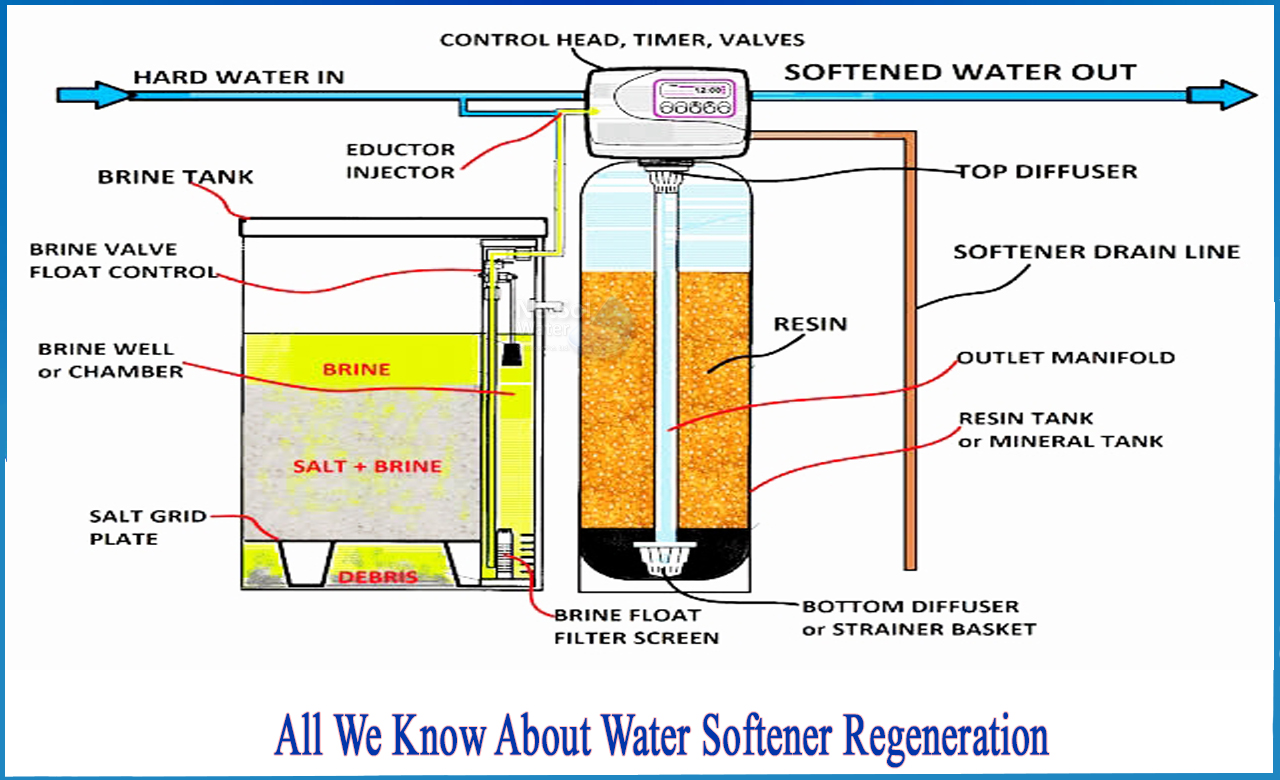
Alright, let’s talk about something your water softener does that feels a bit like magic—or maybe a tiny, hidden car wash happening inside your basement. I’m talking about regeneration. It sounds super technical, I know, like something from a sci-fi movie about rebellious appliances. But trust me, it’s just a clever, messy, and surprisingly simple process that keeps your water soft and your hair from feeling like straw.
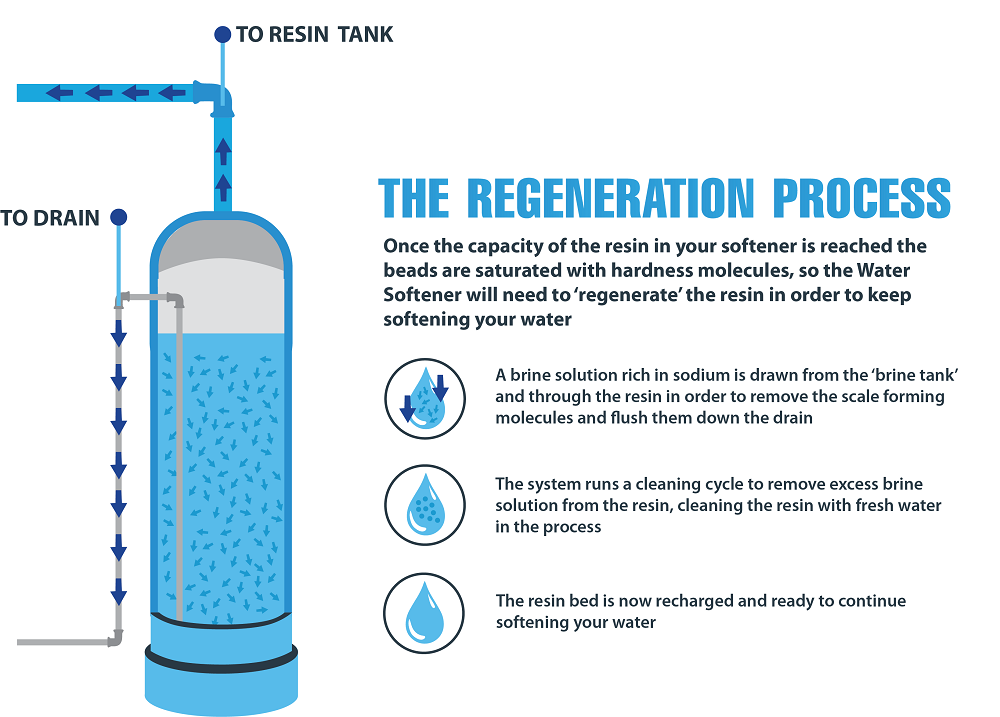
Think of your water softener as a hardworking little tank full of resin beads. These beads are the real heroes—they’re like tiny, positively-charged sponges that grab onto the hard minerals (calcium and magnesium) in your water. They love doing this job, but after a while, they get full and need a break. That’s when regeneration kicks in—it’s the ultimate self-cleaning spa day for those beads.
Step One: The "Backwash" Shake-Up
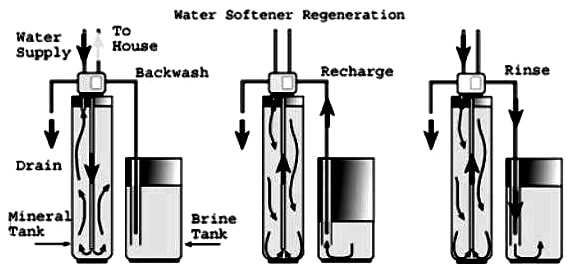
The process starts with a backwash. The softener reverses the water flow, which is like shaking a snow globe, but with water and minerals. This loosens up all the gunk and debris that settled in the tank, like tiny pebbles and dirt. It then flushes that dirty water out through a drain pipe, so it doesn’t end up in your tea kettle. Gross but necessary!
Must Read
This step is basically the softener saying, “Okay, everybody out! Time for a refresh.” It’s not elegant, but it’s effective. Without it, your resin beads would be sitting in a muddy mess, and nobody wants that.
Step Two: The Brine Bath (The Salty Soak)
Now for the real party trick: the brine draw. Your softener has a separate tank filled with rock salt—a giant salt lick, basically. It mixes water with that salt to create a super-concentrated brine solution. This brine is so salty that it overwhelms the resin beads, making them release the calcium and magnesium they’ve been hoarding.
Think of it like this: the resin beads are holding a bunch of bouncy balls (hard minerals). When the super-salty brine comes in, it’s like a bunch of bigger, stronger bouncy balls (sodium ions) shove the old ones out. The beads prefer the salt, so they happily let go of the hard stuff. It’s a mineral trade-off, and the salt always wins.
Why So Much Salt?
You might wonder, “Does my water end up tasting like the Atlantic Ocean?” Nope! The brine is only used for the flush, and then it gets rinsed away. The small amount of sodium left in your water is about the same as a slice of bread. Unless you’re on a strict low-sodium diet, it’s nothing to worry about, but do check with your doctor if you’re concerned.
 What Is Water Softener Regeneration & How Does It Work?
Plus, the salt is just the vehicle—it’s not the destination. It’s like the friend who helps you move apartments: loud, messy, and essential, but gone before the pizza arrives.
Step Three: The Rinse (And the Final Flush)
After the brine has done its job, the softener moves to the rinse cycle. It flushes out the now-dirty brine, which is full of all those hard minerals it just kicked out. Fresh water flows through the tank, washing away the salt and any leftover nastiness. This is the softener’s version of a final shower after a mud run.
Then comes the fast rinse and brine tank refill. The system quickly packs the resin beads back into their cozy spots and refills the salt tank with water to make brine for the next cycle. The whole operation usually takes about 60 to 90 minutes, and you probably never hear it unless you’re standing right next to it.
When Does This Happen? (And Will It Wake Me Up?)
Most softeners are programmed to regenerate in the middle of the night, like a very polite robot ghost. They set a timer, usually every three to seven days, depending on your water hardness and household size. If you have a demand-initiated system, it’s even smarter—it only regenerates when it senses the beads are actually full. Talk about energy efficient!
You might hear a faint whoosh or gurgling sound, but it’s usually quieter than your fridge’s ice maker. Unless you have an older model that sounds like a washing machine full of rocks, but that’s a conversation for another day.
 What Is A Water Softener And How Do They Work? - Ultra Soft
What Happens If You Forget to Add Salt?
Let’s be real: we’ve all been there. You run out of salt, and your softener tries to regenerate, but without brine? It’s like trying to take a shower without water. The resin beads just sit there, still full of minerals, and your water gets hard again. Suddenly your soap won’t lather, your dishes have spots, and your skin feels like sandpaper.
The fix is easy: just add salt! The next regeneration cycle will work normally, and your beads will thank you. Don’t beat yourself up—it’s a common household oops, like forgetting to buy milk.
The Grand Finale: Why It All Matters
So, there you have it: regeneration is just a fancy word for a little salt-powered friendship circle. The resin beads grab the bad stuff, salt helps them let it go, and a rinse makes everything clean again. It’s a chore, sure, but it’s a chore that saves your pipes, your appliances, and your morning shower from being a nightmare.
Every time you enjoy a silky-smooth shower or see your glasses sparkle, remember your softener is back there, working its salty magic. It’s a humble machine, but it’s on your team. Cheers to that!
So next time you hear that soft gurgle in the middle of the night, give a little smile. It’s not a ghost or a plumbing problem—it’s just your water softener getting ready to give you the best water of your life. And honestly, isn’t that a little bit wonderful?
