Does A Reverse Osmosis System Remove Iron

So, you’ve got that reddish-brown stain in your sink again, huh? It looks like someone spilled rusty water all over your nice, clean porcelain. You’re probably wondering if th...

So, you’ve got that reddish-brown stain in your sink again, huh? It looks like someone spilled rusty water all over your nice, clean porcelain. You’re probably wondering if that fancy reverse osmosis system under your sink can finally banish it for good. Let’s grab a coffee and chat about it, because the answer is a little more fun than a simple yes or no.
First, imagine your tap water is a busy little city. Inside that city, you’ve got all sorts of characters: good minerals like calcium, and then the troublemakers—like iron. Iron isn’t evil; it’s actually healthy in small amounts. But when it hangs around in your water too long, it turns into that grumpy neighbor who leaves rust stains on your laundry and makes your tea look like mud.
Now, picture your reverse osmosis system as a super-strict bouncer at a fancy club. This bouncer hates particles. It uses a special membrane that’s so tight, only tiny water molecules can squeeze through. So, does that bouncer kick out iron? The short answer is: mostly, yes. It does an incredible job at removing the kind of iron you can see—the particles that float around and make water look cloudy or rusty.
Must Read
But here’s where it gets a little twisty, like a plot in your favorite TV drama. There are two types of iron: ferric iron (the visible, rusty flakes) and ferrous iron (the invisible, dissolved kind that’s like a ghost). Your RO system is a champ at tackling ferric iron. It catches those rusty flakes before they ever reach your glass. You’ll notice your ice cubes look clear again, and your white shirts stop turning orange.
Ferrous iron, however, is a sneaky little devil. It’s dissolved in the water, so it’s small enough to pass right through that tight membrane. Think of it like sugar dissolving in water—you can’t see it, but it’s still there. Most modern RO systems come with a pre-filter or a carbon block that helps knock out that dissolved iron. But if your water has a ton of it, you might need a separate filter before the RO unit.
Why should you even care about this rusty rascal?
Because nobody wants to drink that metallic taste. You know the one—when you fill a water bottle and it tastes like you’re licking a penny? That’s iron. A good RO system turns that penny-licking experience into crisp, clean, neutral water. Your morning coffee will taste like actual coffee, not a chemistry experiment.
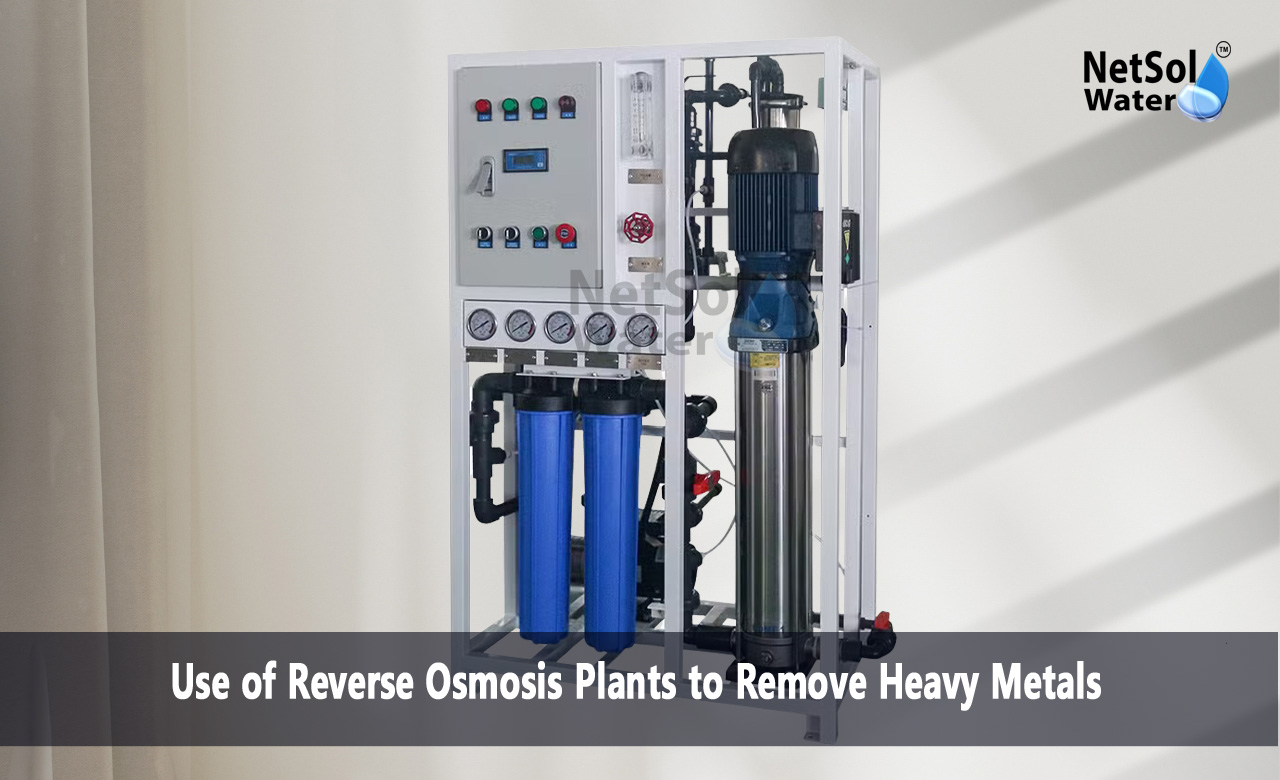 Use of Reverse Osmosis Plants to Remove Heavy Metals
And let’s talk about your pipes and appliances. Iron is like sandpaper for your plumbing. It builds up inside your dishwasher, your washing machine, and your water heater, making them work harder and die younger. Your RO system acts like a shield, protecting your hard-earned appliances from that rusty grit. Think of it as a tiny insurance policy for your kitchen.
The real-world test: a little story
My buddy, Dave, had well water that looked like weak iced tea. He bought a reverse osmosis system and bragged about "magic water." The first week, his water was crystal clear. Awesome, right? But three months later, the membrane clogged up. Why? Because the ferrous iron in his water was laughing at the standard filters. He had to add a whole-house iron filter before the RO unit. Moral of the story: Know your enemy! Test your water first.
Most city water, thankfully, isn’t that extreme. If you’re on a municipal supply, your RO system will probably handle the iron just fine. You’ll notice the difference in your shower, too. Less iron means less red staining on your tub and shower curtain. Your skin might even feel less dry, because iron can mess with soap. It’s like your shower is finally taking a deep breath.
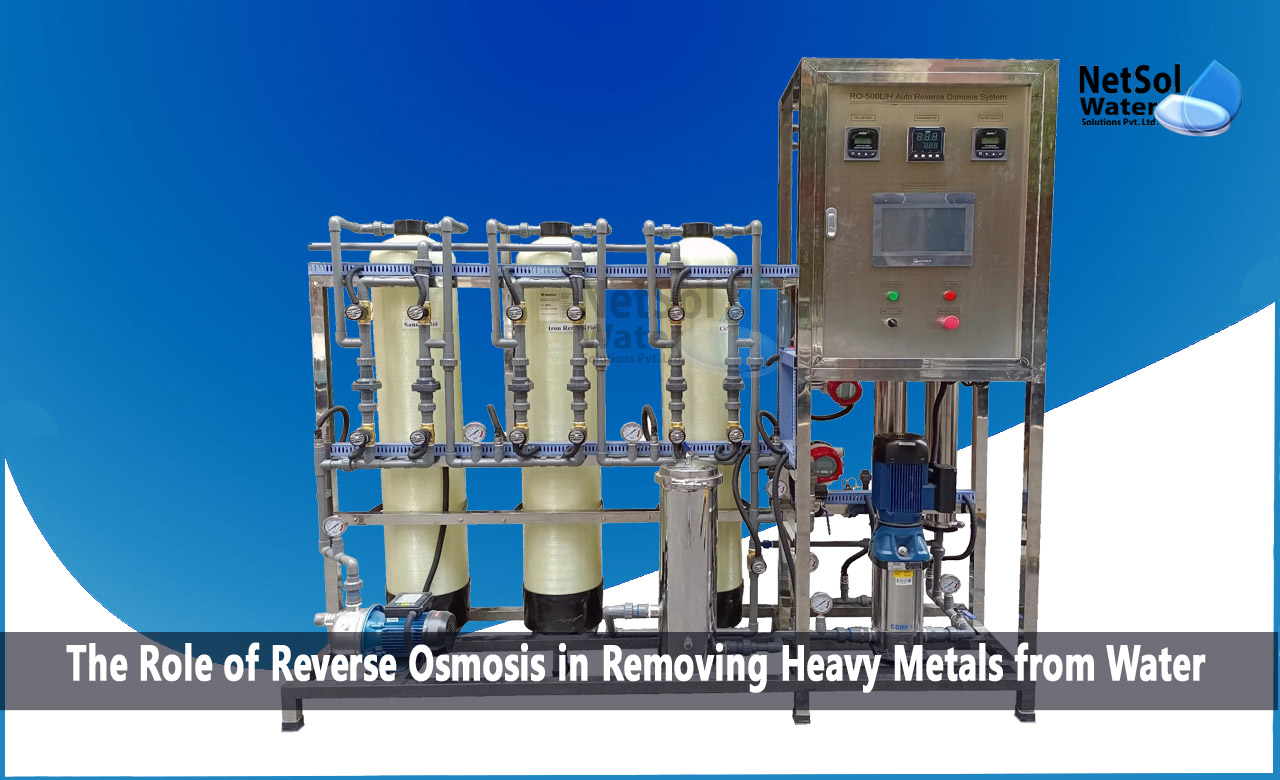 What is the Role of RO in Removing Heavy Metals from Water
So, does a reverse osmosis system remove iron? For the everyday stuff that makes your water look rusty or taste funny, absolutely yes. It’s like a superhero for your tap. But for that stubborn, invisible dissolved iron—the ghost in the machine—you might need a sidekick. Check your water report, or use a simple test kit. It only costs a few bucks, and it saves you from buying the wrong gear.
In the end, a reverse osmosis system is one of the best investments for a better glass of water. It turns the tap into a five-star restaurant. And if it kicks out most of the iron along the way? That’s just the cherry on top—or rather, the clean ice cube in your lemonade.
So go ahead, treat yourself. Your taste buds, your clothes, and your coffee maker will thank you. And the next time you see a rusty stain, you can smile, knowing your little RO buddy is working hard to keep your water shiny, happy, and delicious.
