How To Remove Dissolved Solids From Water

So, picture this. It’s a Tuesday, and I’m feeling like a fancy beverage connoisseur. I pour myself a tall glass of tap water, take a big gulp, and—blech. It tastes like a wet...
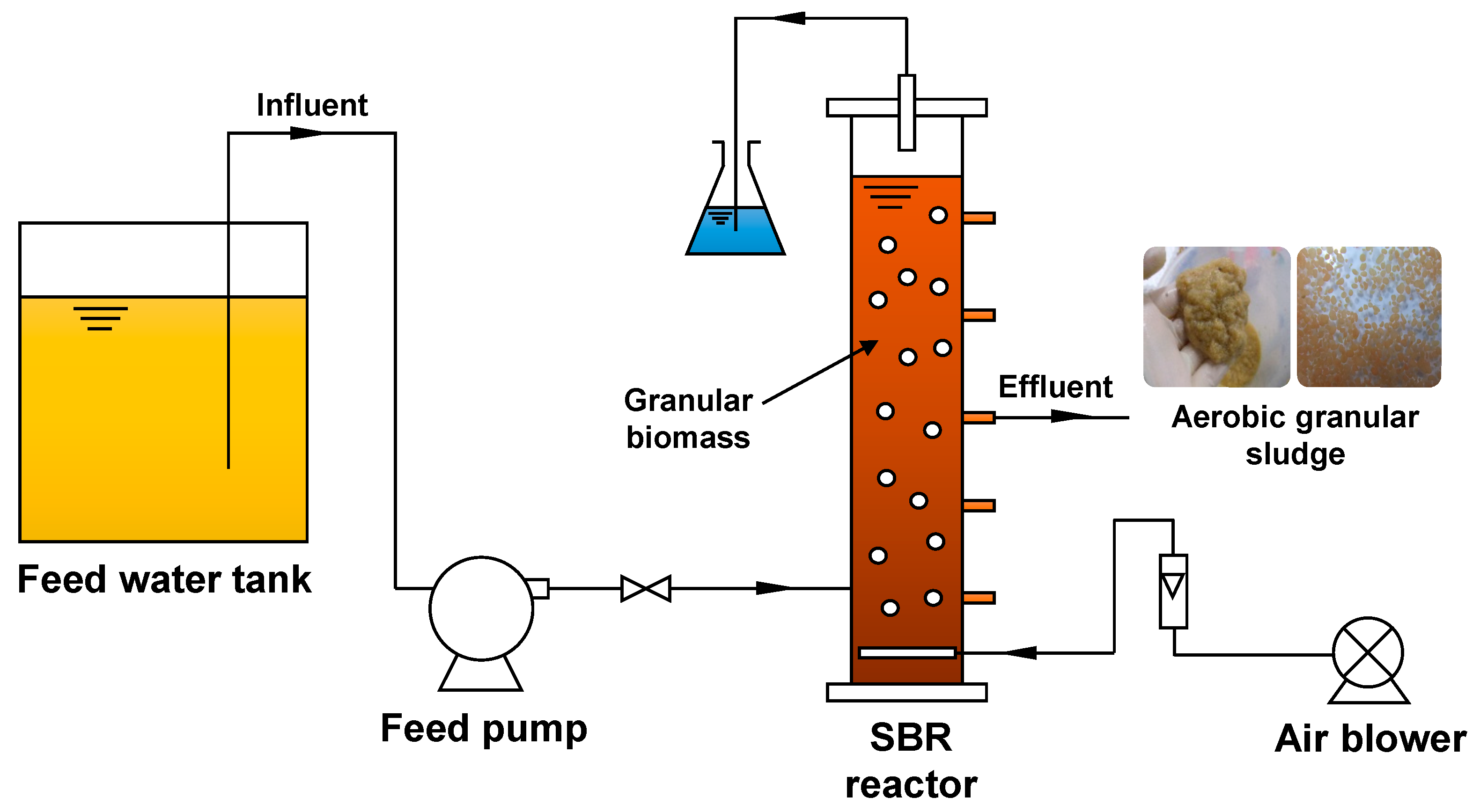
So, picture this. It’s a Tuesday, and I’m feeling like a fancy beverage connoisseur. I pour myself a tall glass of tap water, take a big gulp, and—blech.
It tastes like a wet rock that just wrestled a penny. That’s not just “hard water”—that’s a mineral party in my mouth, and I wasn’t invited.
That nasty taste? Those are dissolved solids. Think calcium, magnesium, salts, and sometimes even trace metals—stuff you can’t see floating around, but your tongue totally knows they’re there.
Must Read
Getting rid of them isn’t as simple as running it through a t-shirt (trust me, I’ve tried). It takes a bit of science magic. But don’t worry—we’ve got options, and they’re surprisingly chill once you wrap your head around them.
Meet the Usual Suspects: What Are We Even Fighting?
Dissolved solids are tiny particles that are completely mixed in with the water—like sugar in iced tea. They’re invisible to the eye but show up on a TDS (Total Dissolved Solids) meter.
A reading over 300 ppm? Your water’s basically a mineral smoothie. Yay for geology, boo for taste.
The main culprits are calcium and magnesium from rock formations. Other unwanted guests include sodium, chlorides, and—if you’re lucky—a hint of lead or arsenic. Not the kind of exotic flavor you want.
Method One: Reverse Osmosis (The Overachiever)
This is the gold standard for home water nerds. It uses a semi-permeable membrane and pressure to shove water through, leaving dissolved solids behind like a bouncer at an exclusive club.
You’ll get water that’s almost as pure as distilled. Downside? It wastes a bit of water (about 3-4 gallons for every gallon of clean stuff). Ouch, but your taste buds will forgive you.
If you’re serious about removing everything—salts, fluoride, heavy metals—this is the boss fight you want. Just be ready to install it under your sink and replace filters every six months. It’s a commitment.
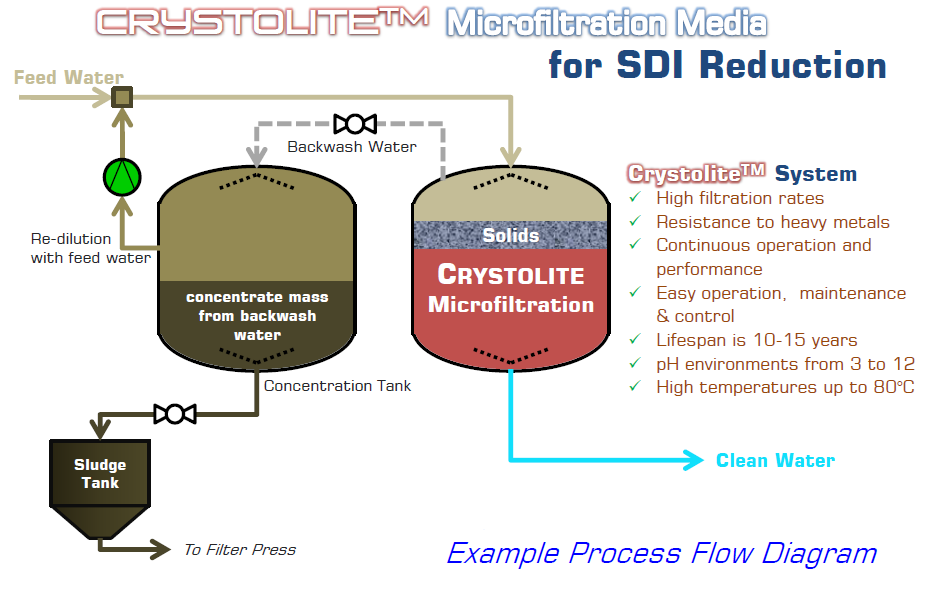 Dissolved Solids In Water
Method Two: Distillation (The Old-School Slow Dance)
Distillation is basically making rain in a machine. You boil water, catch the steam, and condense it back into liquid. The dissolved solids stay behind in the boiling chamber like a bad memory.
It works like a charm, but it’s slowwwww. A countertop distiller might give you a gallon every four hours. Great for a glass of guilt-free water, terrible if you’re trying to fill a swimming pool.
Pro tip: Distilled water tastes flat because it’s too pure. Add a pinch of pink salt or a drop of mineral drops afterward if you want some soul back. You’re welcome.
Method Three: Deionization (The Ion Swap Party)
This one uses special resin beads that act like magnets for dissolved solids. The beads swap hydrogen and hydroxyl ions for calcium, magnesium, and other nasties. Poof—they’re gone.
The result is water so pure it can actually leach minerals out of pipes. Yeah, it’s that aggressive. Don’t store it in metal tanks unless you want rusty water art.
Deionization is great for small batches—like for lab work, cleaning, or your prized espresso machine. But it’s not a long-term solution for your whole house unless you like buying resin refills every month. Your wallet will cry.
Method Four: Electrodialysis (The Fancy Sparky Way)
Ever seen magnets push iron shavings? Same idea, but with electricity. Electrodialysis uses an electric field to pull dissolved minerals through ion-selective membranes. Zap—clean water.
 Separating Solids from Water
It’s efficient and doesn’t waste as much water as reverse osmosis. But it’s also expensive and usually found in industrial setups or high-end home systems. Sorry, budget heroes.
Unless you’re building a Mars colony or have a weird hobby of removing calcium from your bathwater, this one’s niche. But it’s still cool to know it exists.
What About Boiling or Filters?
Boiling water kills bacteria but does absolutely nothing to dissolved solids. It actually concentrates them as steam escapes. So no, a kettle won’t fix your mineral problem.
Standard pitcher filters (like Brita) only catch big chunks like sediment and chlorine. They ignore dissolved solids like they’re not even there. Rude.
If you want a cheap hack, you can try “precipitation” by adding baking soda to hard water—it makes calcium carbonate settle out. But it’s messy and turns your water into a science experiment. Fun? Yes. Practical? Not really.
The Real Talk: Which One Do You Choose?
Start with a TDS meter—they’re like ten bucks online. Test your tap water. If it’s over 500 ppm, you’re in mineral overload territory. Get a reverse osmosis system.
If you’re just annoyed by taste and don’t mind some minerals, a carbon filter might be enough. But don’t lie to yourself—you know the truth.
At the end of the day, removing dissolved solids is about control. You decide what’s in your glass. And honestly? That first sip of pure, crisp water after a mineral bath is like a tiny victory dance for your mouth. Go get it.
