How Does A Salt Free Water Softener Work

So, picture this: my grandma’s farmhouse had water so hard you could hear the minerals singing in the kettle. Every glass came out cloudy, and her hair felt like straw after a...
So, picture this: my grandma’s farmhouse had water so hard you could hear the minerals singing in the kettle. Every glass came out cloudy, and her hair felt like straw after a single shower—a real “rustic charm” nightmare. She swore by her salt-based softener, a bulky monster that gurgled like a hungry dragon. But then a friend mentioned a salt-free water softener, and I laughed—until I learned it doesn’t actually remove minerals the way grandma’s system did. Wait, what? That’s exactly the twist we’re unraveling today.
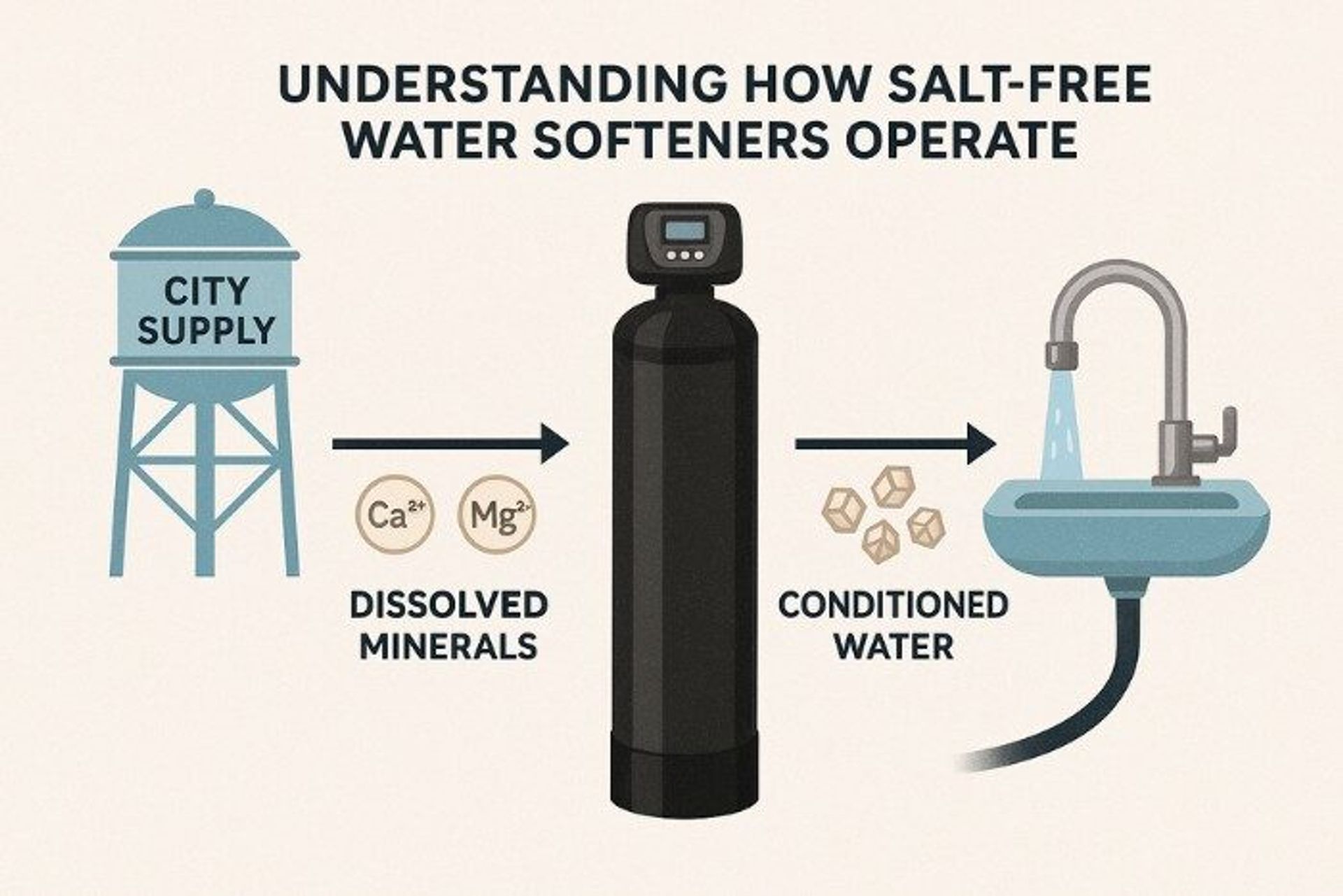
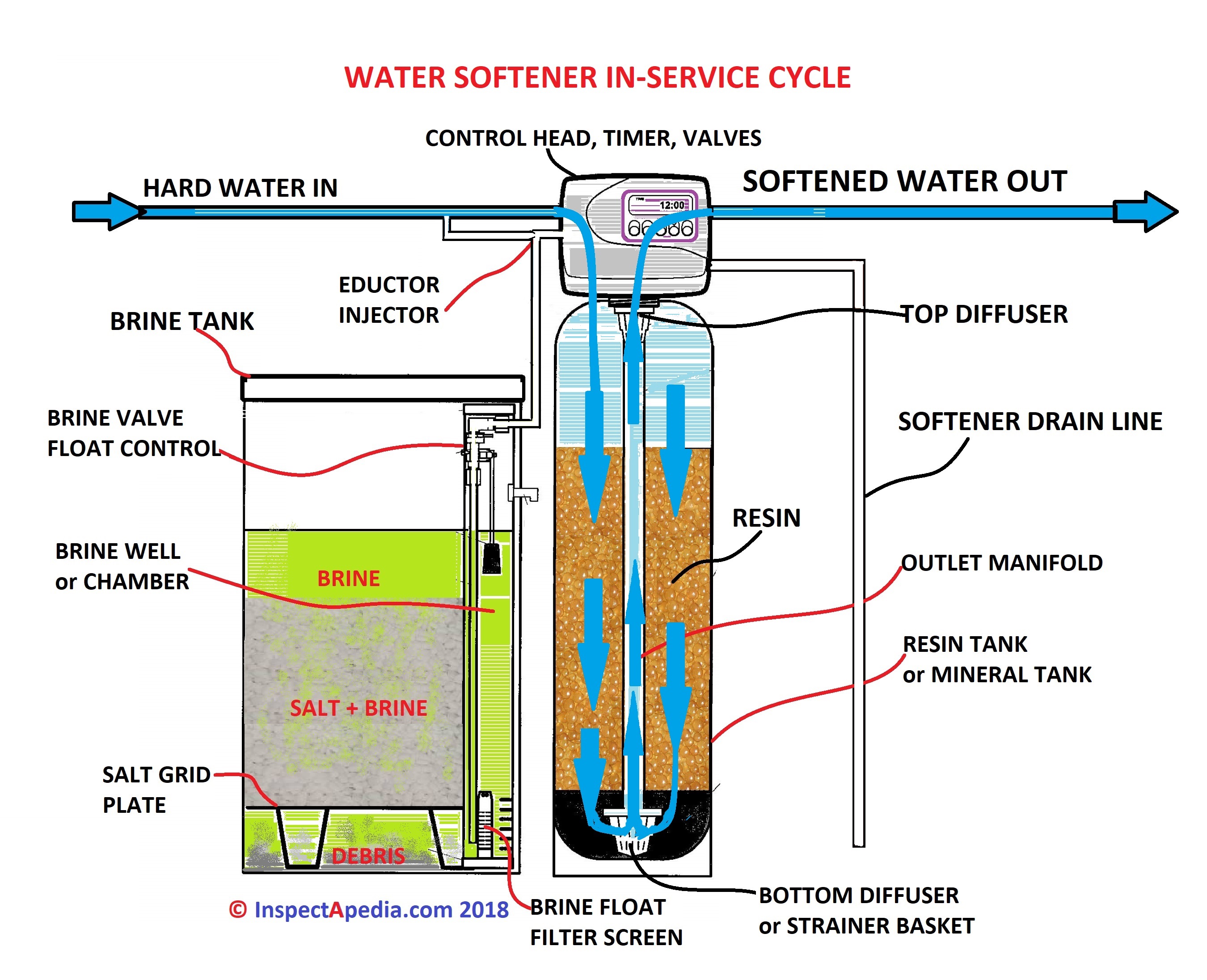
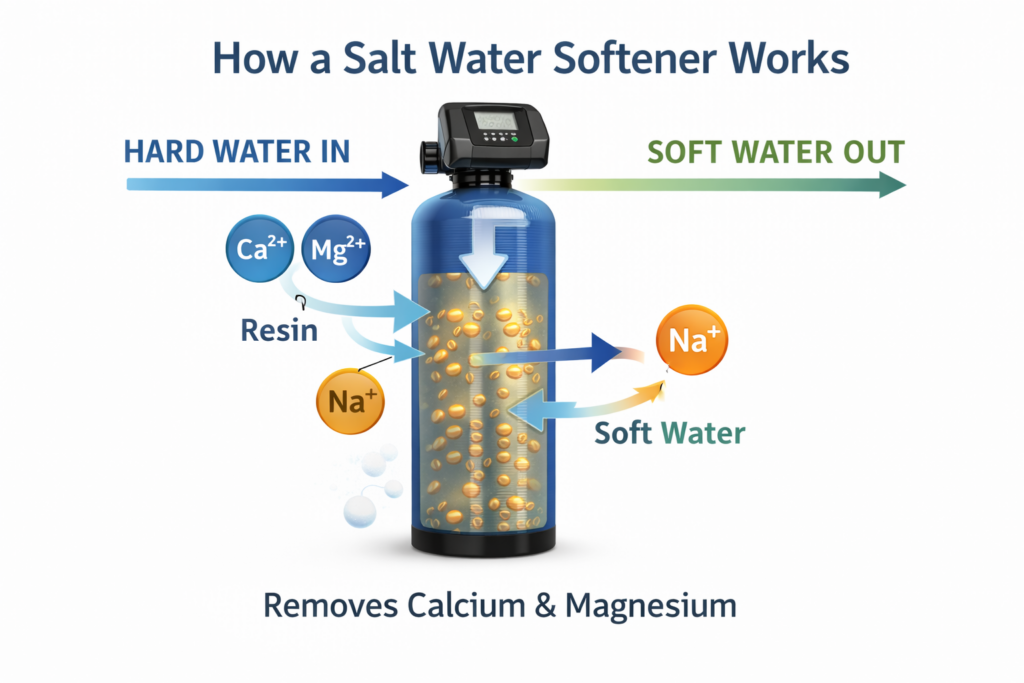
Let’s cut through the marketing fog: a salt-free water softener is a bit of a misnomer—technically, it’s a water conditioner. While a traditional softener removes calcium and magnesium via ion exchange (hello, salt tanks and regeneration cycles), this gadget doesn’t take them out. Instead, it transforms them. Think of it like this: you’re not kicking the minerals out of the party; you’re just convincing them to behave.
So, how does that magic happen?
Most salt-free systems use a process called template-assisted crystallization (TAC, for short—fancy, right?). Inside the unit, there’s a special media bed—often tiny beads or a resin that’s practically a mineral whisperer. As water flows over this media, the dissolved calcium and magnesium ions are nudged to clump together into microscopic, harmless crystals.Must Read
These crystals are so tiny (think nanometer scale) that they stay suspended in the water. And here’s the kicker: once a mineral is crystallized in this way, it can’t stick to your pipes, faucets, or that expensive espresso machine. It just flows right through. The scale prevention is remarkably effective for most households—unless you have water so hard it could double as limestone soup.
But what about the taste?
Because the minerals are still present—just in a different form—you’ll still get that mineral-rich flavor in your coffee or tap water. Some people adore this; others prefer the slightly “slippery” feel of fully softened water. Personally, I think it’s a trade-off worth considering: no salt, no brine waste, and you’re not adding sodium to your drinking water. (Side comment: if you’re watching your salt intake, this is a huge win.)Now, a reality check: salt-free systems are not a cure-all. If your water’s hardness is above 10 grains per gallon or so, you might still see some spotting on glassware. And because they don’t remove iron or manganese, you’ll need a separate filter for those. But for the vast majority of folks with moderate to high hardness, this little box can save your pipes from the slow, chalky death of scale buildup.
 Salt Free Water Softener
The installation? Shockingly simple. Most units are “point-of-entry” devices you plumb into your main water line—no electrical hookup, no drain line, no monthly salt hauling. Seriously, you just cut the pipe and clamp it in. Maintenance is nearly zero: every few years you might swap out the TAC media cartridge, which costs less than a fancy dinner for two. Compared to the salt system’s monthly salt refills and eventual resin replacement, it’s a relief for your wallet and your back.
The irony of “salt-free” is real.
We’ve been brainwashed to think that if you don’t see a brine tank, you’re not softening water. But the chemistry here is elegant: by crystallizing instead of removing, these systems protect your appliances while keeping the water’s natural minerals intact. And if you live somewhere with a water softener discharge ban (thanks, environmental regulations), this becomes your only option. Check your local laws—you might be surprised.Let’s talk about the “ick” factor: does crystallized minerals mean your water is “full of chemicals”? Nope. Salt-free conditioners use physical processes, not chemical additives. The media is typically a food-grade ceramic or polymer. So you’re essentially letting physics do the work—like a bouncer who convinces rowdy guests to dance instead of fight. (I promise, that analogy works if you squint.)
 Salt Water Softeners vs. Salt-Free Water Softeners: What’s the
But does it actually work for your house?
Most manufacturers recommend a pre-filter to catch sediment before the conditioner. Hard water with high iron? You might need a dedicated iron filter first. And if you’re hoping for that “silky” feeling on your skin that salt-softened water gives—the kind that makes you feel like you’re bathing in a cloud—prepare for a slightly different experience. Salt-free water won’t make your skin feel like it’s coated in lotion; it just prevents scale. That’s a compromise some people can’t stomach.Here’s the tiny print no one tells you: these systems are sensitive to flow rate. If you blast the shower and the washing machine at the same time, the water might pass over the media too fast for proper crystallization. Yes, you might need to stag your laundry marathon. Also, if your water sits in the pipes for hours (like after a vacation), the crystals can dissolve back into solution—so the first glass from the tap might not be “conditioned.” But overall, the scale prevention in your water heater? Still works like a charm.
So, should you ditch your old salt softener? Only if you’re ok with a little irony. The salt-free water softener is actually a scale inhibitor, not a softener. It won’t give you that slippery, sodium-laced feel, but it will save your plumbing from the slow calcified doom of hard water—without the environmental footprint or the hassle of bags of salt. My grandma would probably call it “fancy newfangled nonsense,” but after one summer of scrubbing her kettle less, she might just change her tune. Try it if you dare—but don’t expect magic; expect clever chemistry with a side of practicality.
