What Is Reverse Osmosis Water Filtration

You know that annoying film on your coffee mug after a few uses? Or how water from a hotel ice bucket sometimes tastes a little, well, weird? That’s the stuff we’re talking ab...
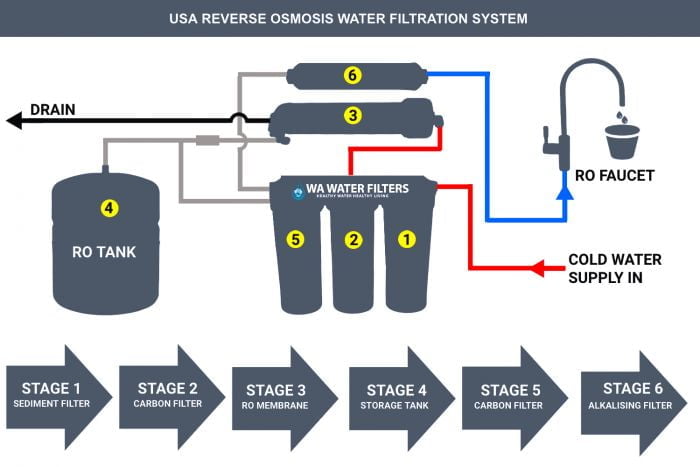
You know that annoying film on your coffee mug after a few uses? Or how water from a hotel ice bucket sometimes tastes a little, well, weird? That’s the stuff we’re talking about.
Let’s be honest, plain old tap water is not bad. But if you’ve ever wondered what makes some water taste crisp, clean, and almost sweet—like the kind you get from a fancy plastic bottle—you’re about to discover a secret. It’s called reverse osmosis water filtration, and it’s basically a superhero for your glass.
It’s not magic, but it’s close
Imagine you’ve got a colander, and you’re trying to strain pasta. The water goes through, but the big spaghetti pieces get stuck. That’s a basic filter.
Must Read
Now, imagine a colander so fine that only the teeniest, tiniest water molecules can get through. Everything else—the leftover chlorine, the calcium bits that make your kettle look like a snow globe, microscopic gunk—gets left behind. That’s reverse osmosis.
It uses a special semi-permeable membrane (fancy talk for a very picky screen) that pushes water through under pressure. The result? Water that’s almost pure H2O.
Why should you care? Let me tell you a story
Last week, my friend Sarah made pasta for dinner. She filled a pot with tap water, added salt, and boiled it. The water was fine, but the pasta had that slightly chalky taste you get from hard water.
A few days later, she used the same recipe but with water from a reverse osmosis system. Same pasta. Same salt. Completely different result. The pasta was smoother, the sauce tasted brighter, and she swore the texture was silkier.
That’s the thing: RO water doesn’t have all the extra minerals and impurities that can dull the flavor of your food. Your coffee will taste less bitter. Your iced tea won’t get that cloudy look. Even your morning omelet will feel fluffier.
What does it actually remove?
Imagine all the stuff you don’t want: lead that can sneak in from old pipes, chlorine that smells like a swimming pool, nitrates from farm runoff, and even some microscopic bacteria. Reverse osmosis catches about 99% of these nasties.
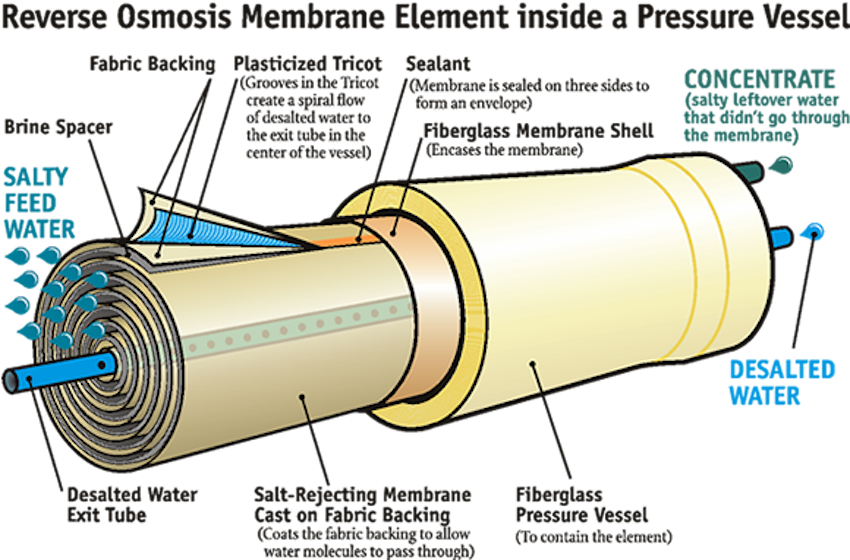 Reverse Osmosis - Aquaphor
It’s like giving your water a thorough shower and putting it in a fresh, clean outfit before it reaches your lips.
But here’s the trade-off: it also removes some natural minerals like calcium and magnesium. Don’t worry—you get those from food, not water. And the taste is so clean, you won't miss them.
Is it for everybody? Probably yes
If you live in a house with hard water (those white crusty deposits on your faucet are a dead giveaway), reverse osmosis is a game-changer. Your ice cubes will be crystal clear, not cloudy. Your shower glass will stay spotless longer.
Even if your tap water is fine, RO systems give you that “ahhh” feeling when you take a big gulp. It’s cooler. It’s smoother. It makes plain water feel like a treat.
Plus, think of the plastic waste. You’ll stop buying those 24-packs of bottled water. That’s good for your wallet and the planet.
The not-so-secret downside (it’s tiny)
Okay, I’ll be real with you. Reverse osmosis systems waste a little water—about 3–4 gallons for every gallon of clean water they make. That water goes down the drain, but it’s usually the same water used to rinse the membrane.
Modern systems are getting better at this, and many can recycle that waste water for watering your plants. It’s not perfect, but it’s far better than trucking in bottled water from a factory.
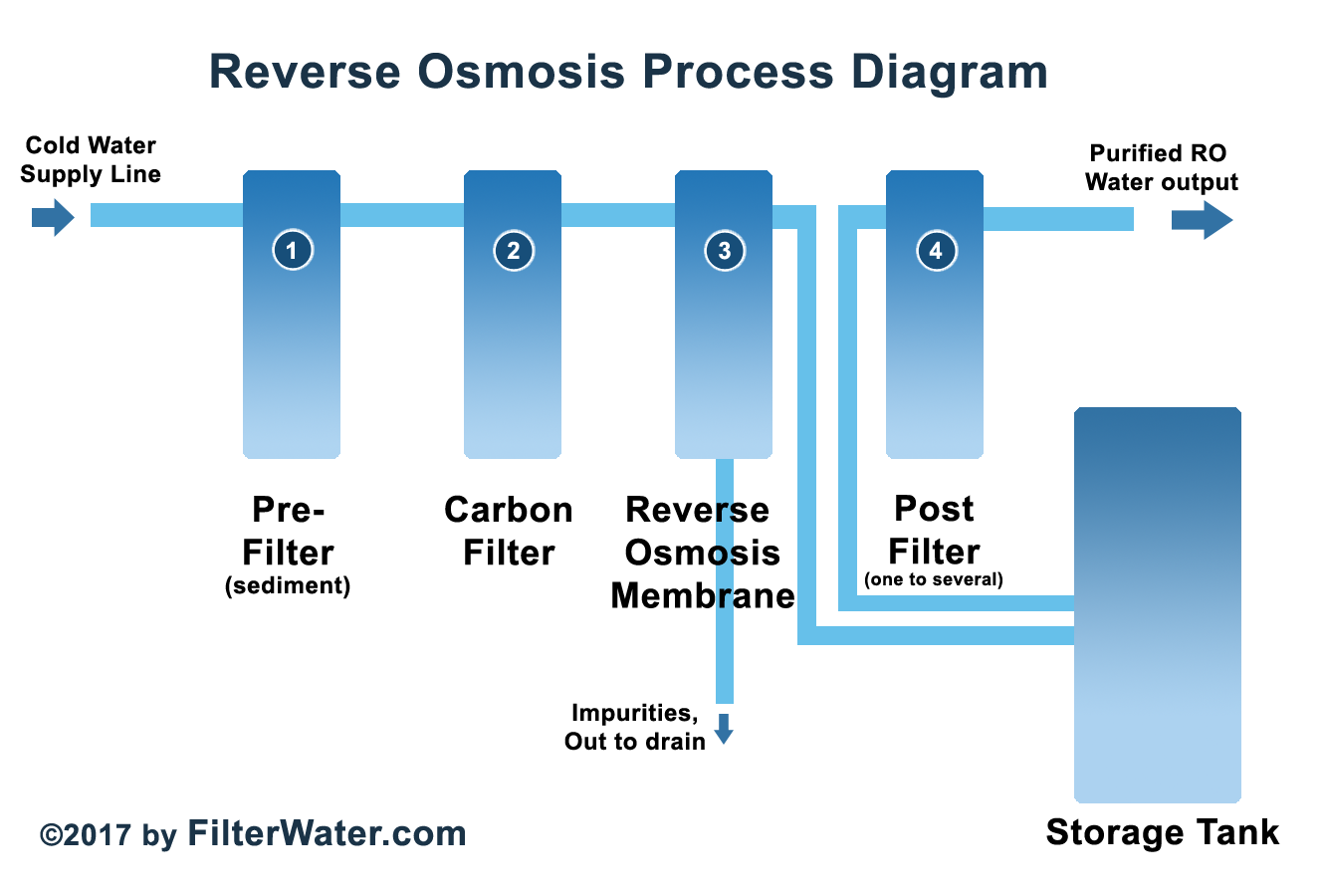 Reverse Osmosis Water Filter How It Works at Shannon Lehmann blog
Also, the systems take up a bit of space under your sink. But so does that old blender you never use, right?
How to get started without building a lab
You don’t need a science degree. The simplest way is a countertop unit that you fill like a pitcher. Or you can install a tiny system under your kitchen sink that connects to your faucet.
If you rent, a countertop reverse osmosis system is your best friend—it plugs in, takes 5 minutes to set up, and you can take it with you when you move.
Prices have dropped a lot, too. A decent under-sink system runs about as much as a nice dinner out for two, and it lasts for years with only a filter change every 6–12 months.
A final sip of truth
Reverse osmosis isn’t a magic cure. It won’t turn your tap water into champagne. But it will turn that “eh, okay” glass of water into something you actually look forward to drinking.
So next time you’re staring at a cloudy ice cube or tasting a hint of metal in your tea, remember: you’ve got a choice. You can ignore it, or you can give your water a really good hug with a reverse osmosis system.
Trust me, your taste buds—and your coffee maker—will thank you.
