How To Reduce Chlorine In Drinking Water

Let’s be honest—tap water can sometimes taste like you’re drinking straight from a swimming pool. That faint, chemical “bleach” vibe is usually chlorine, and while it keeps yo...
Let’s be honest—tap water can sometimes taste like you’re drinking straight from a swimming pool. That faint, chemical “bleach” vibe is usually chlorine, and while it keeps your water safe from gross germs, it’s not exactly a pleasure to sip. The good news? You don’t have to suffer through it.
Chlorine is a party crasher in your glass of water, but you can kick it out with a few simple tricks. No need for a lab coat or a chemistry degree—just a little know-how and a sense of humor.
Why chlorine is in your water (and why it’s a drama queen)
First, a quick reality check: chlorine is added to kill bacteria and viruses. It’s basically the bodyguard of your municipal water supply, and we’re grateful for that. But after that job is done, it lingers like that one friend who doesn’t know when to leave the party.
Must Read
That aftertaste and smell? That’s chlorine showing off. Let’s show it the door, politely but firmly.
Method 1: The chill-and-wait game
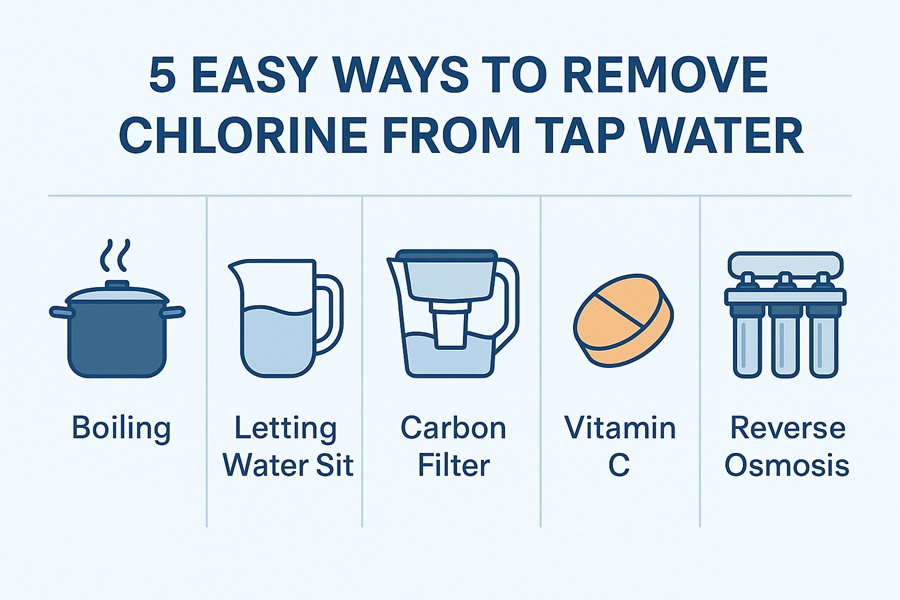
The absolute easiest trick? Just let your water sit in an open pitcher for 30 to 60 minutes. Chlorine is volatile—it evaporates into thin air, like a ninja disappearing into the night.
Pop that pitcher in the fridge, and you’ll have cool, chlorine-free water by the time you finish an episode of your favorite show. Bonus: cold water tastes better anyway. Science says so, but your taste buds already know.
Method 2: Boil it like you’re making pasta (but skip the noodles)
Boiling water for about 15 to 20 minutes speeds up chlorine evaporation like crazy. The heat basically tells chlorine, “Time’s up—bye-bye.” Just let the water cool down before you gulp it.
Warning: This method can make your kitchen feel a bit steamy, so maybe don’t do it on a scorching summer day. Unless you enjoy a free facial sauna in your PJs—no judgment here.
Method 3: Get a water filter (the lazy superhero)
If you want a permanent solution without the waiting, grab a carbon filter. These little heroes are like bouncers for chlorine—they trap it in their carbon pores and never let it into your glass.
 The Connection Between Chlorine and THMs in Drinking Water - Olympian
You can get a pitcher filter, a faucet attachment, or even a countertop model. They’re not expensive, and they work wonders. Plus, you’ll feel very grown-up pulling filtered water from your fridge.
Method 4: Use a pinch of vitamin C (yes, really)
This one sounds like a kitchen hack from a sci-fi movie, but it’s real. A tiny pinch of powdered vitamin C (ascorbic acid) neutralizes chlorine in seconds. No joke—it’s like kryptonite for the chlorine chemical structure.
You can buy food-grade vitamin C powder online or at health stores. Just a sprinkle in a glass of water, stir, and wait 30 seconds. Pro tip: It adds a slight tanginess, so you might feel like you’re drinking fancy lemon water. Fancy you.
Method 5: The good old UV trick (sunshine to the rescue)
Believe it or not, sunlight breaks down chlorine. Leave your water in a clear glass bottle or jar in direct sunlight for an hour or two. The UV rays do the heavy lifting.
Just don’t leave it out all day unless you want warm water and maybe a few curious bugs. Sun tea is great; sun water is... an acquired taste.
A quick warning: don’t overdo it
While you’re busy reducing chlorine, remember that some chlorine is necessary for safety. You’re not trying to create sterile laboratory water—you’re just making your tap taste less like a pool party.
 Is Chlorinated Drinking Water Safe at Charles Bolden blog
If your water comes from a private well, skip this whole article. You have no chlorine to worry about—congratulations, you’re living the wild water life. High-five.
A fun little experiment to try
Want to see chlorine vanish in real time? Do the “smell test.” Fill two glasses with tap water—let one sit for an hour, the other drink immediately. Compare the smells (and tastes). You’ll become a believer in the power of patience.
Science meets kitchen magic. Your inner nerd will be thrilled.
Final thought: You’ve got this
Look, reducing chlorine in your water isn’t rocket science—it’s just a matter of choosing a method that fits your style. Whether you let it sit, boil it, filter it, or sprinkle in some vitamin C, your taste buds will thank you.
And the best part? You’re still drinking safe, clean water—just without that chlorine attitude. So go ahead, pour yourself a glass, take a sip, and smile. You’ve officially become a water connoisseur, and the pool-water days are behind you.
Drink up, friend. You’ve earned it. 🌟
