Why Is My Water Softener Not Using Salt

So, you’ve got a water softener. It’s supposed to be the silent hero of your home, banishing hard water stains and giving you silky showers. But lately, you’ve noticed it’s ju...
So, you’ve got a water softener. It’s supposed to be the silent hero of your home, banishing hard water stains and giving you silky showers. But lately, you’ve noticed it’s just sitting there like a moody teenager, refusing to eat its salt. You check the brine tank and—nothing. The salt level hasn’t budged in weeks. What gives?
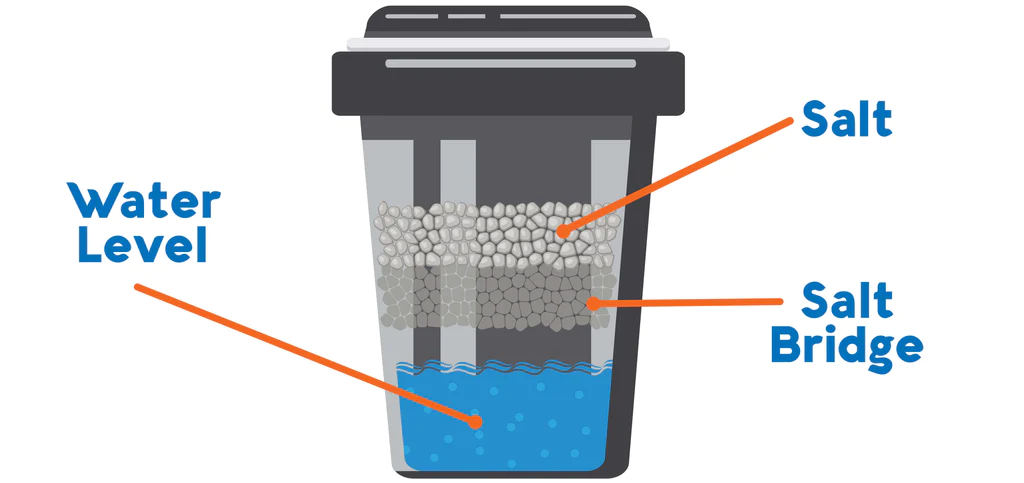
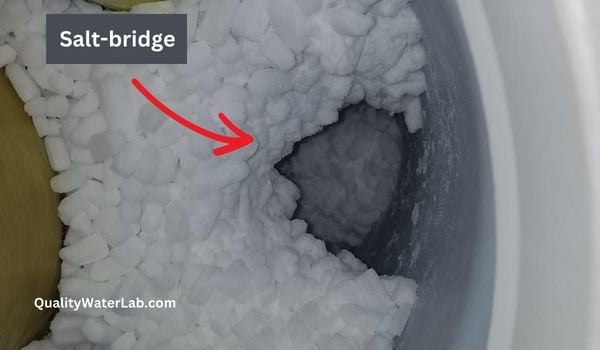
First off, don’t panic. Your softener isn’t staging a hunger strike to protest your choice of dish soap. It’s probably just suffering from a case of “salt bridge”—a fancy term for when the salt forms a hard crust over the water, like a science fair volcano that hardened into a rock-solid lid. This crust blocks the salt from touching the water, so your softener can’t make brine. The fix? Grab a broom handle—no, really—and gently poke the salt crust until it collapses. It’s oddly satisfying, like breaking a giant cookie that is definitely not edible.
The Great Salt Mushing
But maybe you broke the bridge and still see no salt being used. Next up: “salt mushing”. This is when the salt dissolves into a slushy, goopy mess at the bottom of the tank—think of a watery snow cone that’s been left in the sun. Your softener can’t suck up that sludge. The culprit? Cheap salt with high insoluble content, or a humid basement turning your salt into a gross, salty pudding. Solution: Scoop out the mush (wear gloves; it’s not spa day) and refill with high-purity salt pellets. Your softener will thank you by actually doing its job.
Must Read
Here’s a shocking fact: Water softeners don’t use salt every day. They regenerate on a schedule—usually every few days or based on water usage. If you’ve been out of town or just haven’t used much water, the salt level may look untouched. It’s not ignoring you; it’s just lazy. Check your regeneration cycle. If it’s set to every seven days but you only shower twice a week, your softener is basically on vacation. Pro tip: Increase the regeneration frequency in the settings. Your salt will disappear faster than your resolve on a Monday morning.
The Valve That Forgot How to Valve
What if the salt is still high and the water feels hard again? You might have a clogged injector. This tiny part (about the size of a pencil eraser) is responsible for sucking brine into the resin tank. If it gets jammed with debris, your softener is like a vampire with a straw that’s full of lint—it can’t get its dinner. You can pull it out and clean it with a paperclip. It’s easy, and you’ll feel like a plumber who actually knows what they’re doing. Warning: Don’t use a drill bit. I tried that once. Let’s just say my softener now has a tiny piercing.
Another sneaky reason: your float valve is stuck. This little plastic piece measures brine levels, and if it gets jammed in the “full” position, your softener thinks the tank is overflowing with saltwater even when it’s bone dry. It’s like a gas gauge that always reads “full” but you’re running on fumes. The fix? Disconnect the float and wiggle it free. If it’s stubborn, give it a firm talking-to and a gentle scrub. Sometimes mechanical parts just need a little tough love.
 Why Your Water Softener Isn't Using Salt (How To Fix) - QWL
Let’s talk about the timer. If your softener is old enough to vote, its timer might be fried. A broken timer won’t trigger regeneration, so the salt sits there like a forgotten soup. Modern softeners have digital controls, but the vintage ones rely on gears and motors. If you hear a sad ticking noise—or worse, silence—it’s time for a new control board. This is one repair where calling a pro is worth it, unless you enjoy accidentally turning your water softener into a very expensive paperweight.
Now for a genuinely surprising fact: You could be using too much salt. Yes, that’s a thing. Overfilling the brine tank can cause the salt to pack down so tightly that water can’t circulate. It’s like trying to pour water into a jar packed with marbles—most of it just splashes out. The solution is to keep the salt level below the halfway mark. I know, it feels wrong, but your softener prefers a full stomach to a bloated one. Trust the machine.
Still no action? Check your water pressure. Softeners need at least 40 psi to suck brine correctly. If your pressure is low—maybe from a clogged whole-house filter or a leaky pipe somewhere—your poor softener is doing its best impression of a toddler trying to drink a milkshake through a coffee stirrer. Test your pressure with a gauge. If it’s below 40, call a plumber or check your pressure tank. Or just make sure your well pump isn’t on its last legs. That’s a bigger problem than softener salt.
 Culligan Water Softener: NO SALT SOLUTION REVEALED!
Finally, let’s address the elephant in the room: Did you actually plug it in? I’m not joking. Softeners have power cords, and they often get unplugged during cleaning, renovations, or when the cat decides to use it as a scratching post. I once spent an hour troubleshooting, only to find the plug dangling behind the unit. My dog looked at me like I was an idiot. He was right. Check the outlet before you panic-call a technician.
So, is your water softener broken, or is it just playing hard to get? Usually, it’s the latter. A quick salt bridge bust, a mushy salt cleanup, or a float valve jiggle will have it gobbling up salt like a teenager at an all-you-can-eat buffet. And if all else fails, just remember: Your water softener is a machine, not a drama queen. But sometimes it acts like one. Stay calm, poke the crust, and keep that tiny vampire well-fed.
Now go enjoy your silky water—and stop worrying about why your salt isn’t disappearing. It probably just needed a coffee break.
