How To Get Rid Of Microplastics In Water

So, you’ve heard about microplastics. Right now, they’re basically everywhere—in your tap, your bottle, and even your morning coffee. It’s a bit like finding out your favorite...
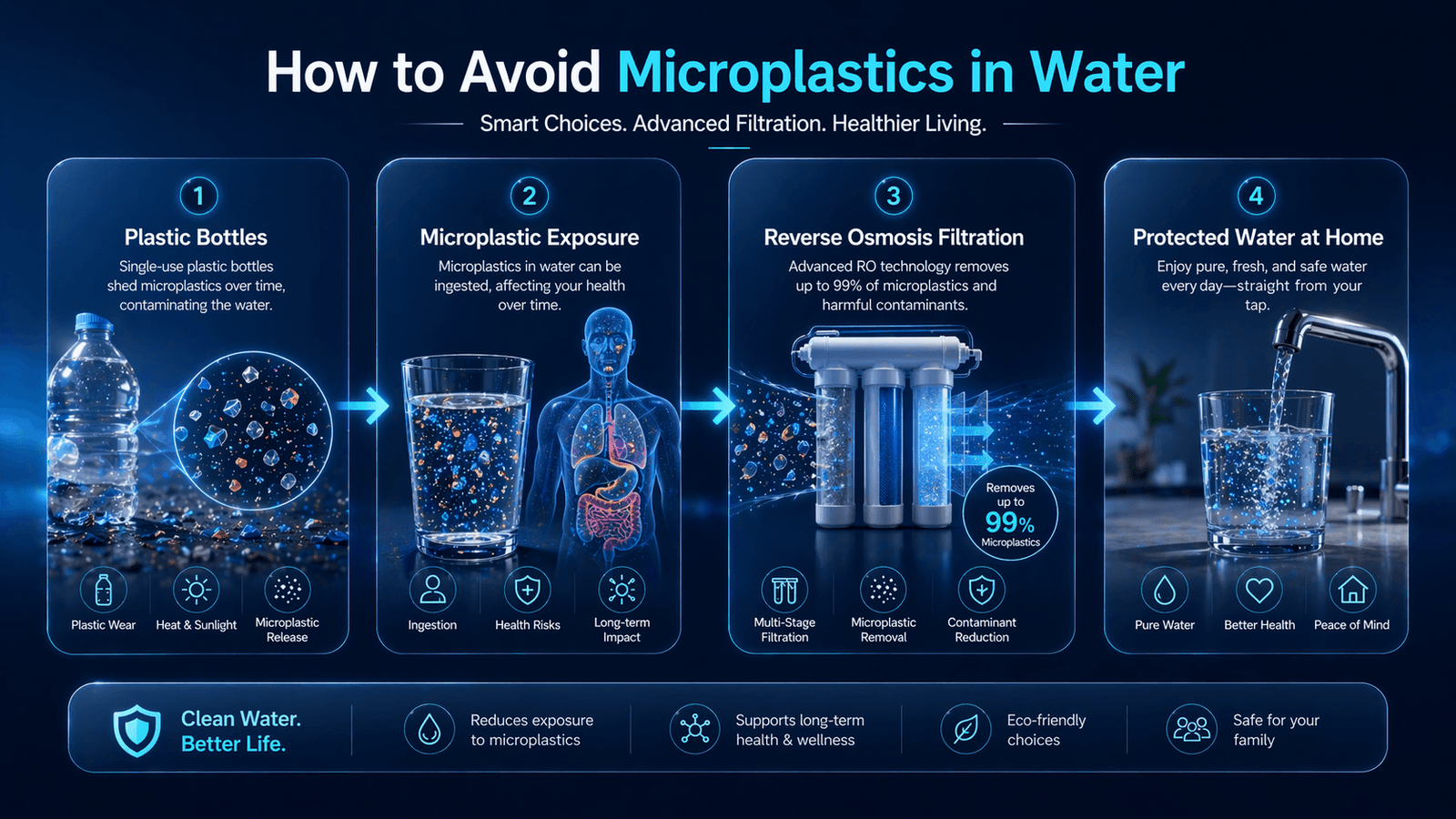
So, you’ve heard about microplastics. Right now, they’re basically everywhere—in your tap, your bottle, and even your morning coffee. It’s a bit like finding out your favorite pizza place uses pineapple. You’re not mad, just… confused. Don’t panic. We can fight these microscopic party crashers.
The Simple Boil-and-Sip Trick
Here’s a fun fact: boiling your tap water actually helps. Studies show that boiling hard water (the kind with calcium) can trap up to 90% of microplastics in the limescale crust. It’s like a mineral force field for your cup. Let the water cool, then pour it through a clean coffee filter—and boom, you’ve just evicted thousands of plastic bits.
Bonus: You get to feel like a mad scientist in your own kitchen. Quirky, right?
Must Read
Filter Finesse: Not All Heroes Wear Capes
Not all filters are created equal. That cheap pitcher filter? It’s about as useful as a chocolate teapot for microplastics. You need a carbon block filter (like in a Brita Elite) or a reverse osmosis system. These are the bouncers that kick out particles down to 0.5 microns.
Want something cheap and weird? A silk or cotton cloth folded eight times does a shockingly good job. It’s like origami, but for your thirst. Try it—your water will taste cleaner, and you’ll have a new party trick.
The Ocean’s Weird Secret Weapon
Did you know a single mussel can filter 50 liters of water a day? Mussels are nature’s microplastic vacuum cleaners. They eat the plastic, but then, uh, we eat the mussels. So maybe skip the seafood while we figure that out. Instead, steal their idea: use a slow sand filter in your backyard. It’s a bucket of sand and gravel that bacteria clean. Gross? Yes. Effective? Also yes.
Fun quirk: The bacteria actually eat the plastic. They’re the hungriest roommates you’ll never have.
 How to Remove Microplastics From Water
Stop the Plastic Parade at the Source
Here’s the embarrassing truth: 80% of microplastics in your tap come from your own plastic pipes. If your house was built after 1970, you probably have PVC or PEX. Every time you run hot water, those pipes shed thousands of microscopic flakes. You’re basically drinking your home’s shedding skin.
Fix it? Switch to copper or stainless steel pipes. It’s expensive, but your future kidneys will thank you. Or, as a temporary hack, run the cold water first for 30 seconds. Cold water causes less shedding. Smart and easy.
The Grocery Store Hustle
Stop buying water in plastic bottles. Stop it. One bottle sheds 10–100 microplastic particles per liter—worse than tap water, surprisingly. Use a stainless steel or glass bottle instead. And if you’re feeling lazy, just refill your old glass jar. It says “I’m fancy and also broke.” Perfect.
Also, avoid paper cups. Yes, paper. They’re lined with plastic film that flakes right into your hot coffee. Use a ceramic mug. You’ll look classy and avoid drinking a credit card’s worth of plastic a week.
The Wild DIY Experiment
Want to impress your friends? Make a cotton-string filter. Take a length of thick cotton string, tie it in a loop, and let it dangle from a bottle of dirty water into a clean jar below. The string siphons water by capillary action, leaving microplastics behind. It’s called “wicks filtration,” and it’s practically magic.
 5 Best Ways to Remove Microplastics from Drinking Water
One study found it removes up to 99% of microplastics. Cost: three cents. Science is weird and wonderful.
Why This Is Actually Kind of Fun
Microplastics are like glitter. They’re tiny, annoying, and get everywhere. But fighting them makes you feel like a detective. You test your water. You learn about filters. You start judging everyone’s plastic bottle collection at the gym. It’s a hobby now—a crunchy, eco-obsessed hobby. Own it.
Plus, you can brag that your water is cleaner than a celebrity’s boutique alkaline brand. And you did it with a sock and a pot of boiling water.
Last Thought: You’re Already Winning
Here’s the kicker: you can’t remove 100% of microplastics. They’re in the air, the rain, and even your salt. But every bit you remove lowers your body’s plastic load by 11% per year (yes, actual math). So boil, filter, and laugh at the absurdity.
You’re now part of a tiny, weird community of water nerds. Welcome. The water’s fine. Literally.
