Does High Alkalinity Cause Cloudy Water

Picture this: you fill a glass with water from your tap or pitcher, and it looks like someone stirred a spoonful of skim milk into it. Your first thought might be, “Did I just...
Picture this: you fill a glass with water from your tap or pitcher, and it looks like someone stirred a spoonful of skim milk into it. Your first thought might be, “Did I just pour water from a haunted house?” But before you call an exorcist, let’s talk about the usual suspect: high alkalinity.
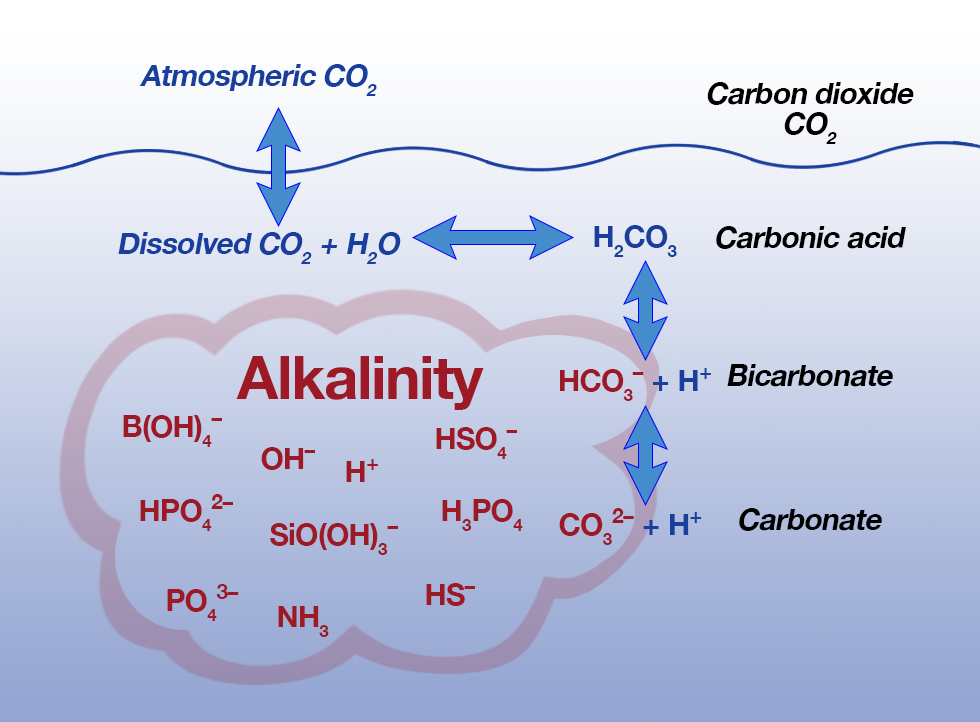
Alkalinity is not the same as pH, though they’re close cousins who argue at family reunions. pH measures how acidic or basic something is, while alkalinity is the water’s buffering capacity—its ability to resist changes in pH. Think of it as the bouncer at the pH club: it keeps things from getting too wild.
So, does high alkalinity actually cause cloudy water?
The short answer is no—not directly. High alkalinity itself is invisible, like a ninja in a clean pool. But it can be the mastermind behind the crime, especially if you’ve got a hot tub, aquarium, or a swimming pool.
Must Read
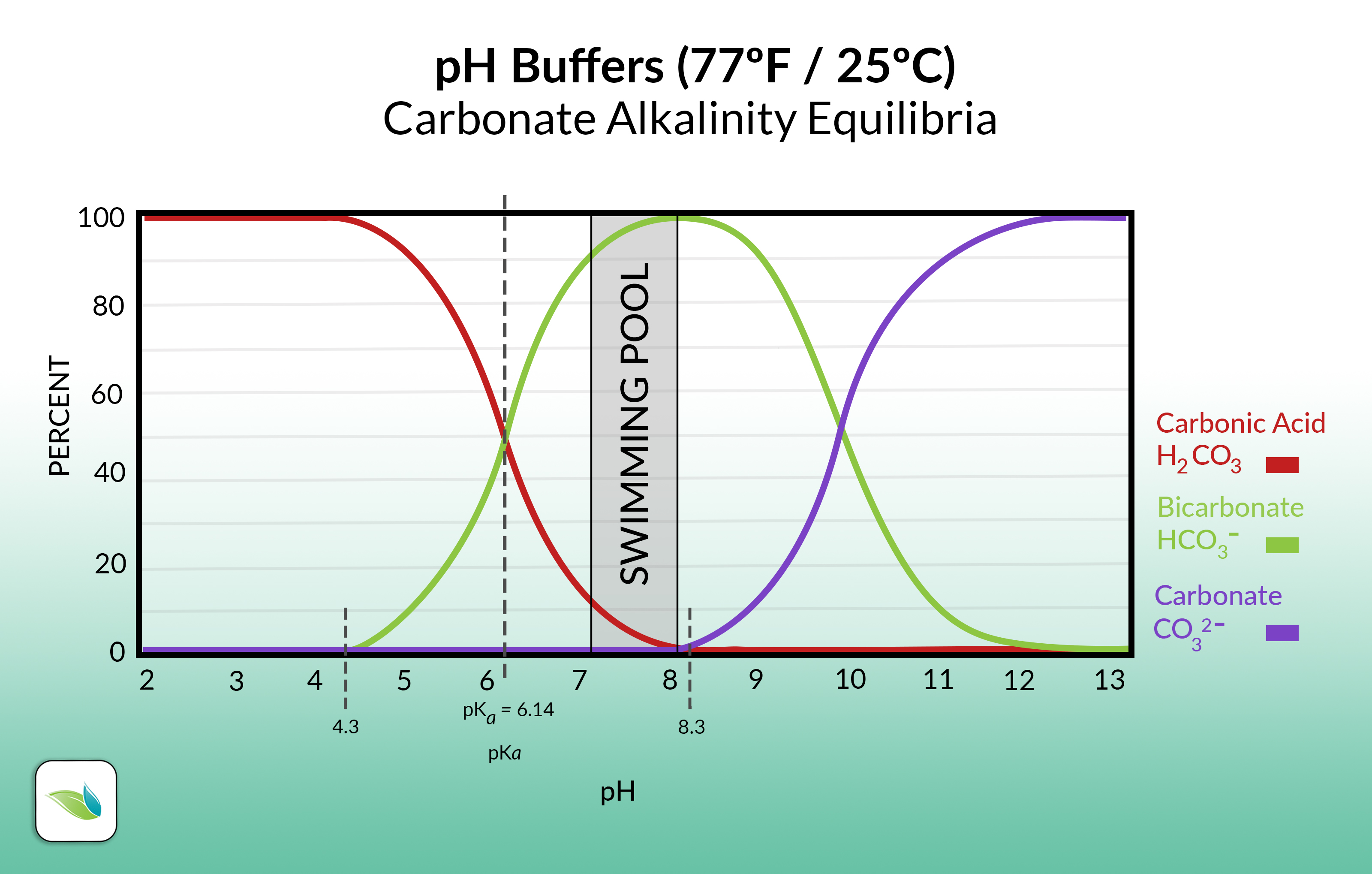
Here’s the sneaky science: high alkalinity can make your water’s pH rise and stay stubbornly high. When pH climbs above 8.0, calcium and magnesium in the water start to throw a precipitation party. They form tiny solid particles that scatter light, turning your crystal-clear water into “mystery milk.”
The calcium carbonate conundrum
If you have hard water (lots of calcium), high alkalinity is like handing a toddler a permanent marker and a white wall. The calcium teams up with carbonate ions (thanks to high alkalinity) to form calcium carbonate—chalk, basically.
That chalky white haze is the same stuff that leaves rings in your bathtub, except now it’s suspended in the water. It’s not dangerous, but it looks like you’re trying to brew a potion from a poorly translated fantasy novel.
But wait—if you’re dealing with a city water supply or a well, the culprit might be something else entirely. Air bubbles can mimic alkalinity-induced cloudiness, especially if you just ran the tap after a pressure change. Let the glass sit for five minutes; if it clears from bottom to top, you’re bubble-brained, not alkalinity-framed.
![pH and Alkalinity High in Pool? (Effect, Cause & Best Solution!) [2026]](https://thepoolanddeck.com/wp-content/uploads/2023/06/image-3.png) pH and Alkalinity High in Pool? (Effect, Cause & Best Solution!) [2026]
pH and Alkalinity High in Pool? (Effect, Cause & Best Solution!) [2026]
When high alkalinity is the villain in your story
Aquarium owners know this drama well. If you’re a fish parent, high alkalinity can make your tank look like a foggy morning in London. The precipitated minerals coat your plants, decorations, and your patience.
In pools, high alkalinity is the reason your chlorine stops working overtime. It doesn’t just cloud the water—it locks up your sanitizer, letting algae throw a rave. Before you know it, you’ve got a green swamp instead of a blue lagoon. Surprising fact: pool water with alkalinity over 200 ppm can cause calcium to scale your equipment, turning your filter into a expensive rock garden.
How to tell if it’s truly alkalinity doing the damage
Grab a simple test kit from a hardware store or pet shop (they’re cheaper than a therapist). Test your water’s pH and alkalinity. If alkalinity is above 250 ppm and pH is above 8.0, you’ve found your fog culprit. If those numbers are normal, your water might be clouded by bacteria, dirt, or just poor filtration—the usual suspects.
One surprising fact for the chemically curious: alkalinity is measured in calcium carbonate equivalents, and natural water in limestone-rich areas can have alkalinity over 400 ppm. That water looks pristine in the wild, but put it in a glass with some temperature change, and bam—you’ve got a milkshake that’s totally undrinkable.
 Can Alkalinity Be Neutralized In Water? – ZUCNYS
What to do if you’re living with “milky water” syndrome
First, don’t panic. Unless you’re a fish, it’s usually not a health hazard. For pool owners: use a pH decreaser (sodium bisulfate) first, then check alkalinity. If alkalinity is still high, you need to add an acid like muriatic acid and aerate—it’s like giving your pool a chemistry haircut.
For drinking water, consider a reverse osmosis system or a simple pitcher filter that reduces alkalinity. Or, just let the water sit overnight in the fridge; sometimes the cloudiness settles out like a bad hangover. If it doesn’t clear after a day, it might be time to have a pro test for metals or organic stuff.
But if you’re at a restaurant and your water looks misty, ask if they have “hard water from a limestone spring.” It sounds fancy, and nobody has to know you’re just trying to avoid a lecture about alkalinity. And hey, if the water is truly clear after testing alkalinity, you can say you solved the case—like a detective, but with wet hands.
Final thought: Is high alkalinity the big bad wolf of cloudy water? Only if it teams up with calcium and high pH. Otherwise, it’s just an innocent bystander with a weird name. So next time your water looks foggy, don’t blame chemistry—blame the tiny mineral party that got out of hand. And maybe invest in a test kit. Or a sense of humor. Water’s weird, folks. Embrace the cloudiness, or fix it. Your call.
