Does Boiling Remove Chlorine From Water

Let’s be honest: when you fill a glass from the tap and catch that faint whiff of bleach, it’s not exactly the taste of a mountain spring. It’s the chlorine, our trusty but sl...

Let’s be honest: when you fill a glass from the tap and catch that faint whiff of bleach, it’s not exactly the taste of a mountain spring. It’s the chlorine, our trusty but slightly aggressive pal, doing its job to kill bacteria before the water reaches your mug. But you’ve probably wondered, “If I boil this, am I getting rid of that weird pool-water flavor?” Short answer: yes, but with a few quirks you’ll want to know about.
Think of chlorine like a hyperactive puppy at a party—it’s great at cleaning up messes, but it doesn’t stick around forever. When you boil water, the heat basically gives that chlorine a one-way ticket out of your pot. Chlorine is a volatile gas, meaning it loves to escape into the air, especially when the water gets hot. So, as your kettle whistles or your pot bubbles, you’re literally chasing the chlorine away.
Here’s the fun part: you don’t need to boil it for an hour. Most of the chlorine will be gone once the water reaches a rolling boil for just a couple of minutes. Remember that time you forgot the kettle and it boiled for ten minutes? You probably overdid it, but hey, your water was definitely chlorine-free. Just don’t boil it dry—your smoke detector won’t appreciate that joke.
Must Read
But Wait, There’s a Catch (Isn’t There Always?)
There is a tiny twist. Not all tap water uses the same kind of chlorine treatment. Some water utilities use a compound called chloramine, which is a slower-acting, more stable cousin of plain chlorine. Chloramine is a bit like that friend who says they’re leaving the party but hangs around for another hour—it’s more stubborn.
Boiling will still remove chloramine, but it takes longer—sometimes up to 15 or 20 minutes. If you’re making pasta and you boil water for ten minutes, you’re probably fine. But if you’re just making a quick cup of tea and you pull the kettle right when it clicks off, a tiny bit of chloramine might still be present. Does it matter? For most of us, no. But if you’re raising fish or making baby formula, it’s worth boiling a little longer.
The “Why Should I Care?” Part (Made Fun)
Okay, so why does this matter to you, the person who just wants a good glass of water without tasting a swimming pool? Well, for starters, boiling for chlorine removal is the easiest, cheapest water filter you already own. You don’t need a fancy pitcher or a faucet attachment. Your stove and kettle are basically doing the work. That’s like discovering your old smartphone can also fry an egg—bonus feature!
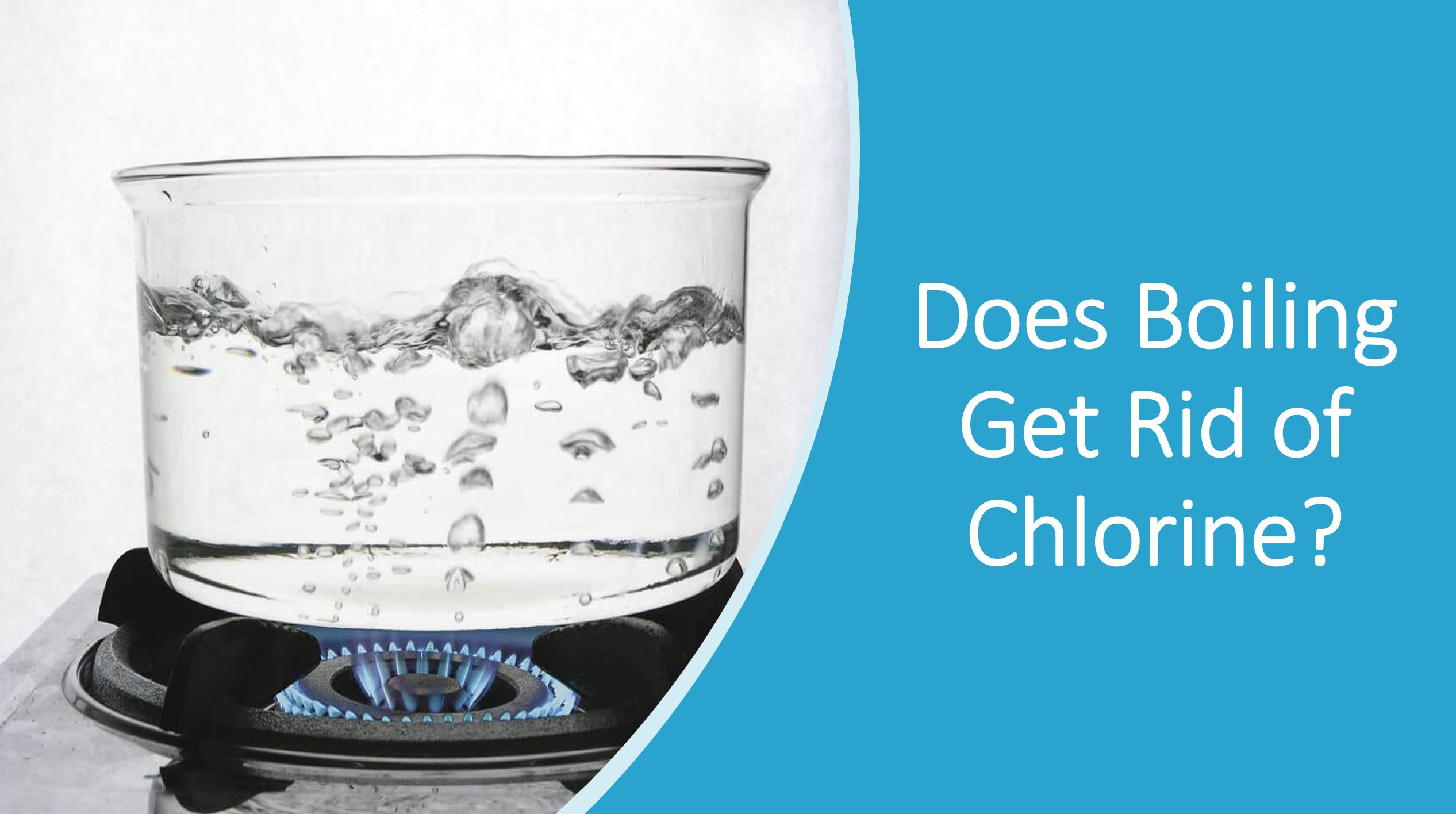 Does Boiling Water Remove Chlorine From Water? (Quick Answer)
Also, consider your morning coffee. Have you ever brewed a cup that tasted “off,” a little bit like a gym sock dipped in latte? Bad beans aside, that metallic tang can sometimes be chlorine. By boiling your water first, you’re giving your coffee beans a cleaner canvas. Your taste buds will throw a tiny party, and your morning brown liquid will taste more like heaven and less like a chemistry set.
And let’s not forget the grand gift of cooking. When you boil pasta, rice, or potatoes, you’re essentially infusing that starch with whatever’s in the water. If the water smells like a public pool, your spaghetti will, too. By pre-boiling (or just boiling longer before you add the pasta), you’re serving up a side dish of “yum” instead of “municipal processing.”
A Little Story from My Kitchen
Last week, I filled my big soup pot with tap water and felt that familiar chlorine whiff. I decided to boil it for five minutes before adding my vegetables. My husband walked in and asked, “Are you making soup or performing a science experiment?” I told him, “Both, and the science tastes better today.” The result? A subtle, clean soup that actually let the carrots and celery shine. Victory.
 How To Boil Water To Remove Chlorine
Pro tip: If you want to speed things up, you can also let the water sit in an open pitcher for 24 hours—chlorine will evaporate on its own. That’s called “off-gassing,” and it’s the lazy person’s method. But boiling is faster, and it feels like you’re doing something. Plus, you get the satisfaction of watching steam rise, like a little goodbye party for the chlorine molecules.
Final Thoughts (Because You Deserve Nice Water)
So, does boiling remove chlorine from water? Yes, it does. And it’s wonderfully simple. You don’t need a degree in chemistry or a fancy gadget. Just a pot, some heat, and about two minutes of patience. Your water will taste better, your tea will taste cleaner, and your goldfish (if you have one) will thank you silently from its bowl. Next time you hear that kettle start to rumble, smile—you’re not just making tea. You’re evicting chlorine from its temporary home, one bubble at a time.
Now go forth and boil something deliciously chlorine-free. Your taste buds deserve it! 🫖
