Zero Water Filter How Long Does It Last

So, you finally caved and bought a Zero Water filter pitcher. Smart move. But now you’re staring at it, sipping your first glass of water that tastes suspiciously like, well,...

So, you finally caved and bought a Zero Water filter pitcher. Smart move. But now you’re staring at it, sipping your first glass of water that tastes suspiciously like, well, nothing—which is the whole point, right? And then the big question hits you: how long does this thing actually last? Let’s dig into that, nice and chill.
The short answer (and why it’s not that simple)
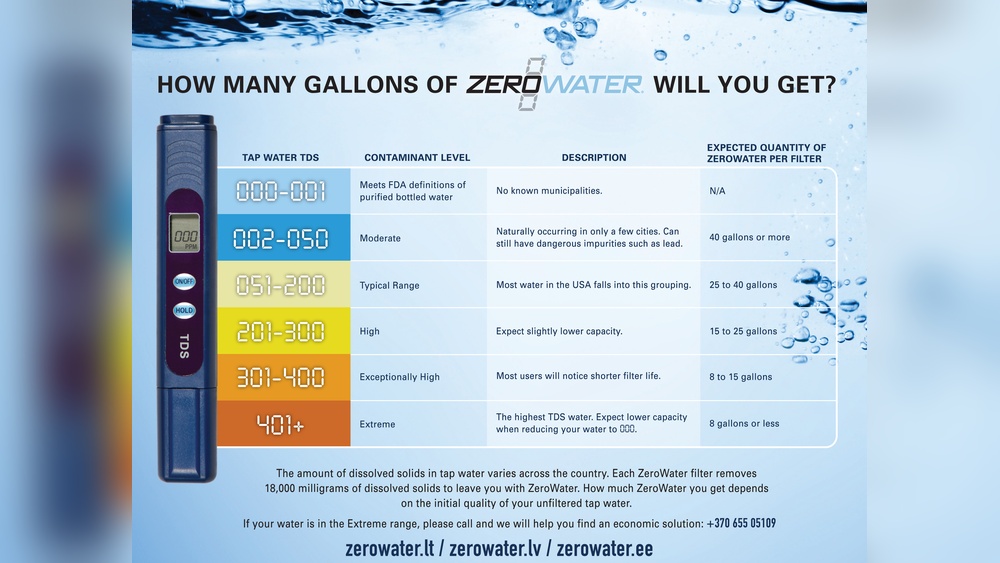
Officially, Zero Water says their filters last for about 20 to 40 gallons. That’s a big range, I know. It’s like asking how long a tank of gas lasts—it depends on your driving style, the road, and a little bit of magic. For most people, that works out to two to six weeks, depending on your water quality.
But here’s the cool part: you don’t have to guess. Zero Water gives you a little gadget, the TDS meter (Total Dissolved Solids tester). It’s the real hero here, like a personal water spy.
Must Read
The TDS meter: your filter’s honest conscience
You know how some filters just silently die on you and serve you sad, lukewarm tap water? Not Zero Water. The TDS meter tells you the exact moment your filter is done. When it reads 006 or higher, that’s your signal to swap in a fresh filter. It’s like having a little friend who shouts, “Hey dude, time for a change!”
And honestly? That’s pretty cool. Most filters leave you in the dark, praying your water still tastes pure. With Zero Water, you’re always in the know.
What makes it last longer (or shorter)
Ever notice how some tap water tastes like a swimming pool? That’s high TDS—lots of dissolved minerals and junk. If your starting water reads, say, 300 ppm (parts per million), your filter will work hard and die faster. It’s like running a marathon with a backpack full of rocks.
 How Long Does Zerowater Filter Last at James Earle blog
But if you’re blessed with soft, low-TDS water (like from a mountain town or a well-maintained city supply), your filter might last the full 40 gallons—or even a whisper more. That’s the sweet spot. And if you’re refilling a giant 10-cup pitcher, you’ll burn through gallons quicker than a tiny 1-cup pitcher. Simple math.
Fun comparison: the tortoise vs. the hare
Think of your Zero Water filter like a thirsty sponge at a pool party. If everyone dives in with muddy shoes (high TDS water), that sponge gets clogged fast. But if everyone wipes their feet (low TDS), the sponge stays fresh for ages. Your water source is the bouncer deciding how fast the party gets dirty.
Also, temperature matters. Cold water filters slower, but it keeps the filter media stable. Hot water? That’s like asking your sponge to run a 5K in July—it’ll tap out early. Stick to cold or room temp for maximum life.
What happens when the filter dies?
You’ll notice it. The water might start tasting flat, or worse, a little funny. The TDS meter will climb above 006, and you’ll feel a tiny pang of sadness. But don’t worry—replacement filters are easy to find and only cost about $10-$15 each. That’s cheaper than buying bottled water for a month, and way better for the planet.
 How Long Does Zero Water Filter Last: Ultimate Lifespan Guide - RO System
And here’s a pro tip: prime your new filter by running a few pitchers through it before drinking. It’s like breaking in new sneakers—weird at first, but perfect after a few steps.
The surprise bonus: it’s honestly fun to watch
I know, I know—watching a water filter sounds boring. But Zero Water gives you that TDS meter, and seeing the number drop from 200+ down to 000 is strangely satisfying. It’s like winning a tiny game every time you fill the pitcher. You’ll find yourself testing tap water just for kicks. “Oh, my sink water is 150? Gross. My filter? Zero. Victory dance.”
So, how long does a Zero Water filter last? Until the TDS meter says so. It’s not a mystery—it’s a dialogue. Pay attention, and your filter will treat you right.
Now go pour yourself a glass. It’s pure, it’s crisp, and it’s your new obsession. Cheers to zero—and knowing exactly when it’s time to hit refresh.
