Does Boiling Water Kill E Coli Bacteria

Okay, friend. Let’s talk about something that’s probably crept into your head while staring at a pot of water like it’s a magic potion. Can a good, hard boil actually kill tha...
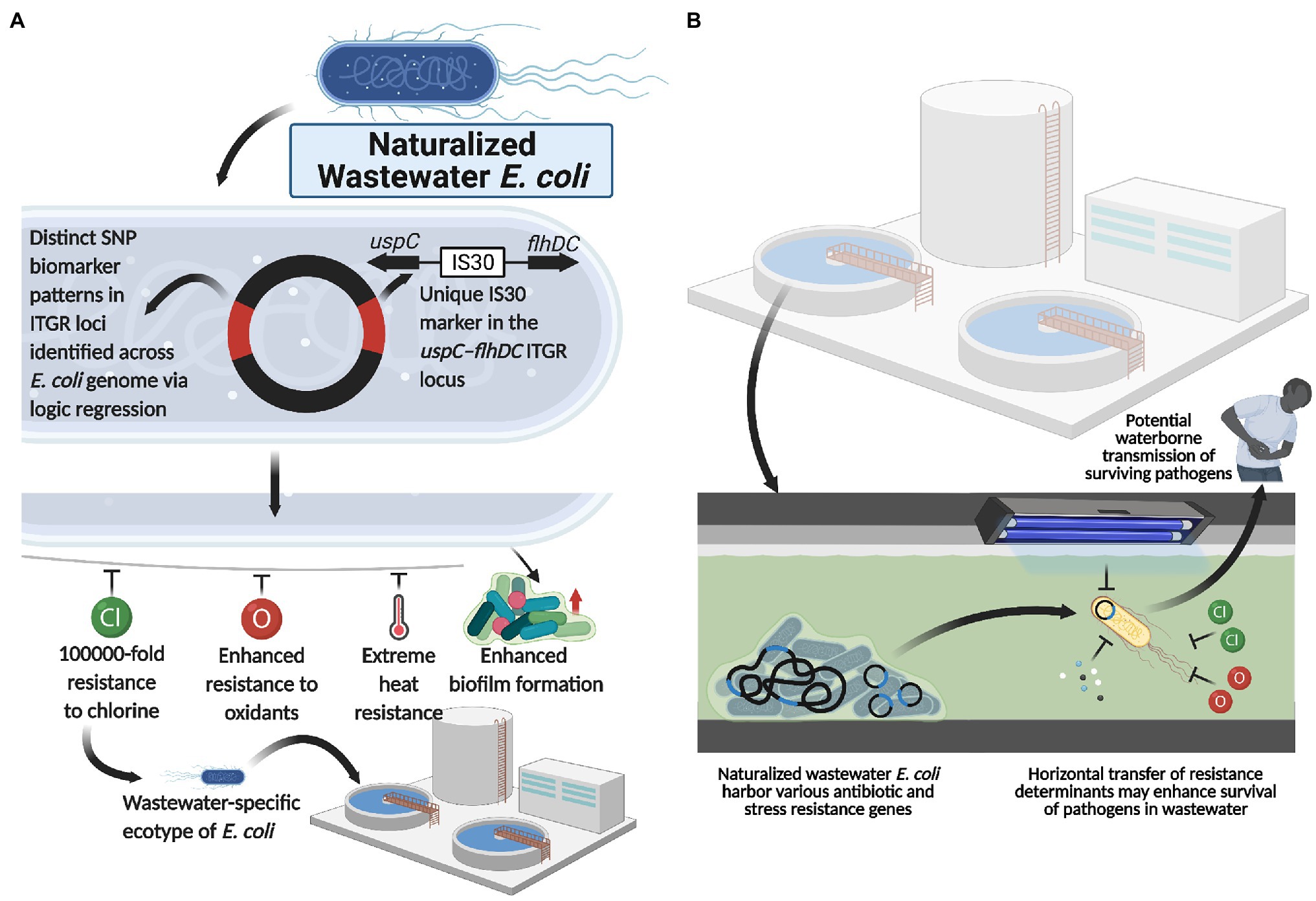
Okay, friend. Let’s talk about something that’s probably crept into your head while staring at a pot of water like it’s a magic potion. Can a good, hard boil actually kill that nasty E. coli? Short answer: Yes, absolutely. But let’s not just take my word for it—let’s geek out for a second.
The Quick and Dirty Truth
Boiling water is like sending E. coli to a very hot, very steamy volcano. The bacteria are living things, and they have a pretty low tolerance for heat. Water’s boiling point—212°F (100°C) at sea level—is practically a death sentence for them.
Think of E. coli as a tiny, grumpy hitchhiker. It needs a cozy, room-temperature ride to survive. When you boil water, you’re not just warming it up; you’re denaturing the proteins that keep the bacteria alive. It’s like melting their little cellular Lego sets. They can’t function, can’t reproduce, and—poof—they’re gone.
Must Read
But How Long Do You Have to Boil It?
Here’s where it gets fun. You don’t need to boil it for an hour. Really. The general rule from the experts (like the CDC) is to bring the water to a rolling boil for one minute. That’s it. A minute of violent, bubbly action, and you’re safe.
What if you’re camping at a high altitude, like in the mountains? The air is thinner, water boils at a slightly lower temp (around 195°F), so you want to stretch that boil to three minutes. Just to be extra safe. Because nobody wants to win the “I got E. coli on my camping trip” award. That’s a prize you can return.
What About “Just a Little Simmer”?
Ah, the simmer. It’s for soup, not for germ warfare. If you only get the water to a gentle, lazy simmer (around 180°F), you’re giving E. coli a spa day, not a funeral. Don’t do it. You need that full, roaring, “I’m about to whistle at you” boil. That’s the sweet spot. The bacteria don’t stand a chance.
 Does Boiling Water Kill E Coli Bacteria at Janelle Hernandez blog
And yes, once the water is boiling, you can turn off the heat. The heat that was already absorbed is more than enough to finish the job. You’re basically a water ninja.
But Here’s the Catch (Isn’t There Always One?)
Boiling kills the bacteria. It does not remove toxins they might have already left behind. If the water had a ton of E. coli in it and they pooped out some nasty chemicals (called heat-stable toxins), boiling won’t magically erase those. It’s like cleaning a crime scene—the perp is gone, but the mess remains.
That said, for most tap water, this isn’t a huge worry. The bigger danger is contaminated well water or water from a questionable stream. If you’re boiling to make it drinkable, you’re on the right track. Just don’t expect boiling to scrub out heavy metals or pesticides. That’s a different kitchen superhero (like a filter).
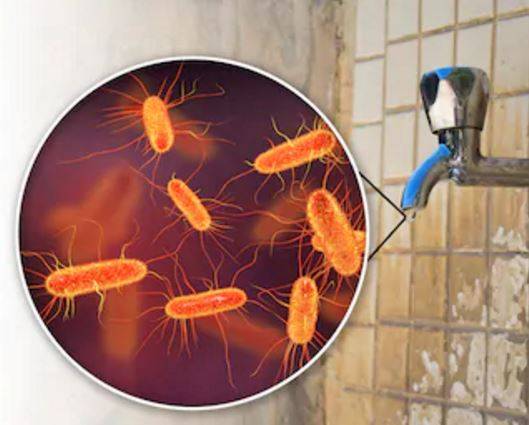 How Long you Must Boil Drinking Water to Kill Bacteria
The TL;DR for Your Next Crisis
So, does boiling water kill E. coli? Yes, with a capital Y-E-S. It’s one of the most reliable, low-tech ways to make sketchy water safe. You don’t need fancy gadgets or a chemistry degree. Just a pot, a heat source, and a little patience.
But hey, if you’re still paranoid? Boil it for two minutes. Or three. It’s not going to hurt the water (unless you boil it dry, then you’ve got a different problem). The point is: you’re in control. You’ve got the power. So go ahead, boil that water, and give E. coli the hot foot it deserves.
Now, let’s grab another coffee—preferably from water that’s been boiled, not raw river water. Deal?
