How To Tell If You Have Lead Pipes

You’re standing in your kitchen, filling a glass with water, and you pause. The thought drifts in: is this water safe? You’ve heard the whispers about lead pipes, but your hom...
You’re standing in your kitchen, filling a glass with water, and you pause. The thought drifts in: is this water safe? You’ve heard the whispers about lead pipes, but your home was built in the 1950s, and everything seems fine. It’s a vibe-killer, sure, but also something you can actually figure out today without a hazmat suit.
The good news? You don’t need to become a plumber or a chemist. You just need a few easy tricks, a little curiosity, and a willingness to look under your sink like a detective. Let’s get into it.
The Scratch Test: Your First Clue
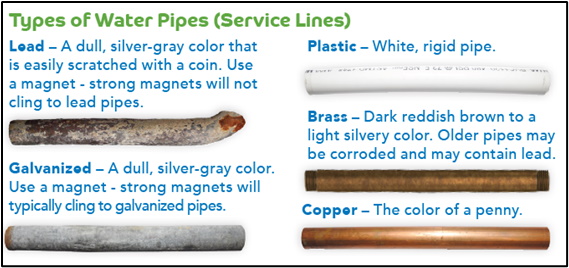
Grab a key, a coin, or even a sturdy spoon. Head to your basement, crawl space, or wherever your main water line enters the house. Find a pipe that’s metal and dull gray in color—this is a classic candidate.
Must Read
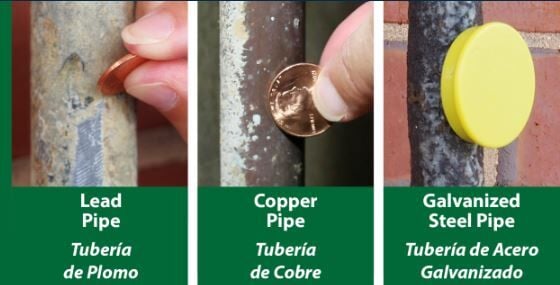
Scratch the surface gently with your key. If the scratch reveals a shiny, silver-gray color, that’s a big red flag. Lead is soft and doesn’t rust, so it stays bright under the surface. If the scratch shows a copper penny color, you’re in luck—that’s a copper pipe.
Fun fact: Lead has been used in plumbing since ancient Rome, where they literally built aqueducts with it. The word “plumbing” even comes from the Latin word for lead, plumbum. Classic Romans, always ahead of the curve—until the brain fog hit.
The Magnet Test: Low-Tech, High Reward
Grab a small fridge magnet—the stronger the better. Touch it to the exposed pipe. Lead is not magnetic, so if the magnet slides right off, you might have a problem. If it sticks, you’re likely dealing with steel or galvanized iron, which is less alarming (though still not perfect).
This test works especially well on service lines—the pipe connecting your house to the city main. You’ll usually find this in your basement wall or near your water meter. Pro tip: If your pipe is painted, scrape a little off first to get a clean surface.
Imagine you’re in a noir film: one scratch, one magnet, and you’re cracking the case of your own water supply. It’s oddly satisfying.
Look for the Telltale “Bulb” Joint
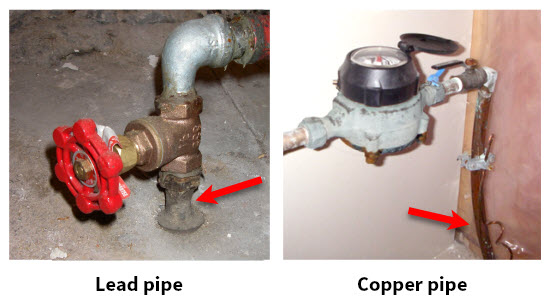
Lead pipes were often joined using a technique called “wiped joints,” which leave a distinctive bulging, almost artistic blob of metal around the connection. If you see these lumpy, hand-sculpted joints on a dull gray pipe, you’ve basically found lead’s calling card.
 Community Announcements & Announcement Archive | ANC6B
These joints look a bit like a fat, melted candle dripped onto the pipe. Modern copper or PVC pipes use neat, uniform fittings, so anything that looks handmade and wonky deserves a second look. It’s like finding a vintage vinyl record in your plumbing—cool, but not for drinking.
Cultural reference: Remember the Flint water crisis? That nightmare began when old lead service lines—like the ones with bulb joints—started leaching into the water due to changes in treatment. It’s a stark reminder that age alone doesn’t mean safety.
The Coin Ring Test: Listen Carefully
Tap a coin against the pipe. Lead makes a dull, thudding sound—almost like tapping a piece of heavy plastic. In contrast, copper rings with a bright, metallic ping, and steel sounds harder and sharper.
This is the quickest test you can do without even getting your hands dirty. It’s like tuning a guitar: you’re just listening for the right note. If you hear a dead thud, take a photo of the pipe and move to the next step.
When You’re Still Unsure: The DIY Lab Test
If you’re still scratching your head—pun intended—buy a lead test kit from any hardware store. They’re cheap (under $10) and use a swab that turns pink or red if lead is present. Follow the instructions: rub the swab on a scraped area for 30 seconds, and wait two minutes.
These kits are designed for paint, but they work on metal too. Just be sure to test a spot that isn’t painted or coated. Fun fact: The chemical in these kits, rhodizonate, reacts specifically with lead ions—so you’re basically doing a mini chemistry experiment in your own home. Science!
 Do you have lead pipes leading to your property? The city of Greensboro
If the test comes back positive, don’t panic. You don’t need to move out. Start by using cold water for drinking and cooking—hot water leaches more lead—and run your tap for 30 seconds before use to flush out stagnant water.
What To Do If You Find Lead Pipes
First, confirm with a certified plumber or your local water authority. Many municipalities offer free testing or even help with replacement costs. Some cities, like Chicago and Boston, have programs to replace lead service lines at no cost to homeowners.
Second, invest in a lead-certified water filter for your kitchen tap. Look for ones that meet NSF/ANSI Standard 53. You can also use a simple pitcher filter, but make sure it’s specifically rated for lead removal. Not all filters are created equal—some just make your water taste better, not safer.
Third, know your water’s pH. Lead leaches more easily in acidic water. A simple pH test strip can tell you if your water is on the aggressive side. If it is, a neutralizer filter might be a good addition. Your water company should also provide an annual water quality report—read it like you would a menu at your favorite diner.
The Daily Life Reflection
Here’s the thing: checking your pipes is not about fear-mongering. It’s about ownership of the place you call home. That old house with the creaky floors and charming windows? It’s got history, and sometimes that history is hiding in the walls.
In a world where we can track our steps, monitor our sleep, and optimize our coffee intake, it’s strangely calming to step into the basement with a magnet and a key. You’re not just fixing a potential problem—you’re connecting with the tangible architecture of your daily life. The water you drink, the shower you take, the pasta you boil—it all passes through those pipes.
So go ahead, scratch that pipe, listen to its thud, and see what you find. Because knowing is the most stylish move you can make. And if you do discover lead? Well, now you have a new story to tell at dinner parties. “You’ll never guess what I found behind the water heater…”
