How To Test Water For Contaminants

Let’s be honest: water is basically a miracle. It’s the stuff we drink, cook with, and soak in after a long day. But lately, all those headlines about “contaminants” can make...
Let’s be honest: water is basically a miracle. It’s the stuff we drink, cook with, and soak in after a long day. But lately, all those headlines about “contaminants” can make you feel like you need a hazmat suit to fill a glass.
Take my neighbor, Karen. She bought that fancy pitcher filter and felt great—until her tap water started tasting like a swimming pool. That’s when we realized: you can’t assume your water is perfect. Testing it isn’t about being paranoid; it’s about staying in control.
Why You Should Care (Without Panicking)
Think of water testing like checking your car’s oil. You don’t do it because the engine is broken—you do it to keep it from breaking. Contaminants like lead, bacteria, or chlorine byproducts can sneak in through old pipes or local runoff.
Must Read
A friend of mine once ignored a weird metallic taste in her morning coffee. Turned out, her 1950s house had lead solder in the pipes. A simple test caught it before anyone got sick. That’s the point: knowledge is a cheap insurance policy.
Even if your water looks crystal clear, it might host tiny guests you don’t want. Color and smell are liars. Always test before you worry—or before you buy a $500 filter you don’t need.
Step 1: Know Your Enemy (Common Culprits)
You don’t need to be a chemist. Most household worries fall into three buckets: biological (bacteria, parasites), chemical (pesticides, lead, chlorine), and mineral (hard water, iron that stains your laundry).
Think of it like a dinner party. Bacteria are the uninvited guests who ruin the punch. Chemicals are the weird seasoning someone dumped in the pot. Minerals are just that guest who talks too loud—annoying, but rarely dangerous.
For everyday folks, the biggest red flag is a sudden change in taste, odor, or staining. If your white shirts turn orange, it’s probably iron, not poison. But still—test it.
 water contaminants | PPTX
Step 2: The Home Test Kits (Your Friendly First Step)
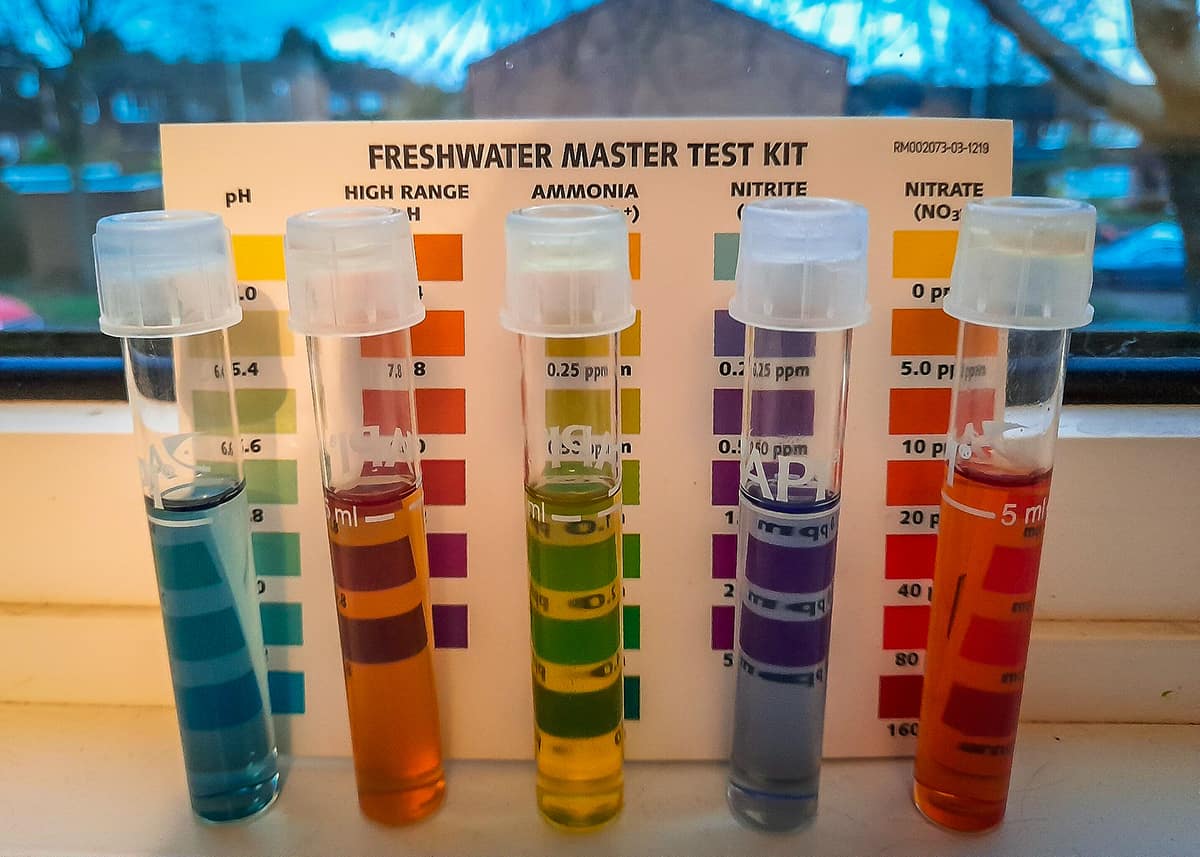
You can buy a water test kit at any hardware store or online for about $20. It’s like a pregnancy test, but for your faucet. Easy, cheap, and surprisingly satisfying. You dip a strip, wait a minute, and compare colors to a chart.
I did this last month. The results showed my water was “hard”—full of calcium and magnesium. Basically, my pipes are just stubborn, not toxic. It was a relief. The kit also checked for lead, copper, nitrates, and bacteria. Perfect for a quick vibe check.
Pro tip: run the cold water for two minutes before testing. Stagnant water from the morning’s first pour might give you a false reading. Patience wins here.
Step 3: The Mail-In Lab Test (For the Overachievers)
If you want the full medical workup for your water, order a mail-in test. You fill a vial, ship it off, and get a detailed report in two weeks. This catches stuff home kits miss, like pharmaceuticals or volatile organic compounds (VOCs) from industrial runoff.
My cousin did this after a gas station leak near her neighborhood. The report showed trace amounts of benzene. She switched to bottled water for cooking until the city fixed the pipes. Without that test, she’d never have known.
Expect to pay $100–$200, but it’s worth it if you have a private well, an old house, or a spring in your backyard. Think of it as a water passport—you get a clear picture of what you’re drinking.
 How to Test Water Quality at Home: Your Complete Guide – World Water
Step 4: Listen to Your Home (The Free Detective Work)
Your home talks to you. That white crust on your kettle? Hard water. A rotten-egg smell in the hot water? Probably bacteria in the water heater. Brownish water after rain? Could be runoff seeping into the system.
Don’t ignore the clues. One afternoon, I noticed my dishwasher wasn’t cleaning well. I tested the water and found high levels of chlorine, which can mess with dish soap. A simple filter fixed it. My plates thanked me.
Even your skin is a witness. If you feel itchier after a shower, your water might be too alkaline or heavy in minerals. Your body is a living test kit.
What To Do With Your Results
If your test shows nothing scary, you can relax and maybe invest in a basic carbon filter for taste. If it shows something concerning—like lead or bacteria—don’t freak out. Boil water for drinking (if it’s bacterial) or install a certified filter. The EPA has guidelines, and your local health department can help.
Remember: you don’t have to be perfect. Most municipal water is safe. Testing is just a way to sleep better at night and stop guessing. It’s like checking the weather before a picnic—you might still go, but you’ll bring an umbrella if needed.
So grab a kit, pour a glass of whatever you’re testing, and toast to being a little more informed. Your water might be fine. But wouldn’t you rather know for sure?
