How To Bring Chlorine Down In Pool

So, you’ve got a pool, and you’ve turned it into a giant, sparkly science experiment—except the chlorine levels have gone rogue. Yikes. Suddenly, your skin feels like a dried-...
So, you’ve got a pool, and you’ve turned it into a giant, sparkly science experiment—except the chlorine levels have gone rogue. Yikes. Suddenly, your skin feels like a dried-out lizard, and your eyes are stinging like you just chopped an onion. Don’t panic. We’ve all been there, and it’s actually a funny little problem to fix.
Think of high chlorine as your pool’s version of a hyperactive kid on too much sugar. Calm down, buddy. The good news? You don’t need a chemistry degree or a magic wand—just a few simple tricks. Let’s dive in and bring that chlorine down without losing your cool.
The Sun Is Your Best (Free!) Friend
If you own a pool, you already know the sun loves to eat chlorine for breakfast. Literally. Ultraviolet rays break down chlorine faster than a toddler destroys a sandcastle. So, on a sunny day, uncover that pool and let nature do the heavy lifting.
Must Read
Leave the cover off for a few hours—preferably during peak daylight. It’s like sending your pool to the beach for a tan. Poof! Chlorine levels drop, and you didn’t lift a finger (except to pull off that cover).
Don’t expect a miracle in an hour, though. Give it a full day of direct sunlight. If you’ve got a cloudy week, well, Mother Nature isn’t your assistant today—keep reading.
But What If You’re Shade-Challenged?
If your pool is under a tree or a pergola, the sun’s a lazy helper. No worries! Just know that partial shade means slower results. In that case, you’ll need to speed things up with a little elbow grease. Stick with me—I’ve got your back.
Dilution: The Simple Solution
Remember when you put too much salt in the soup, and your grandma said, “Just add water”? Same idea here. Partially drain your pool and refill it with fresh water. It’s like hitting the reset button on your chlorine levels.
Drain about a quarter to a third of the water—no need to empty the whole thing. Then, refill with a hose. Boom. Instant dilution. Your pool will thank you, and your water bill might not even cry that much.
Pro tip: Check your local water restrictions first because you don’t want to get a grumpy letter from the city. Don’t be that person.
Call In the Chemical Cavalry (But Gently)
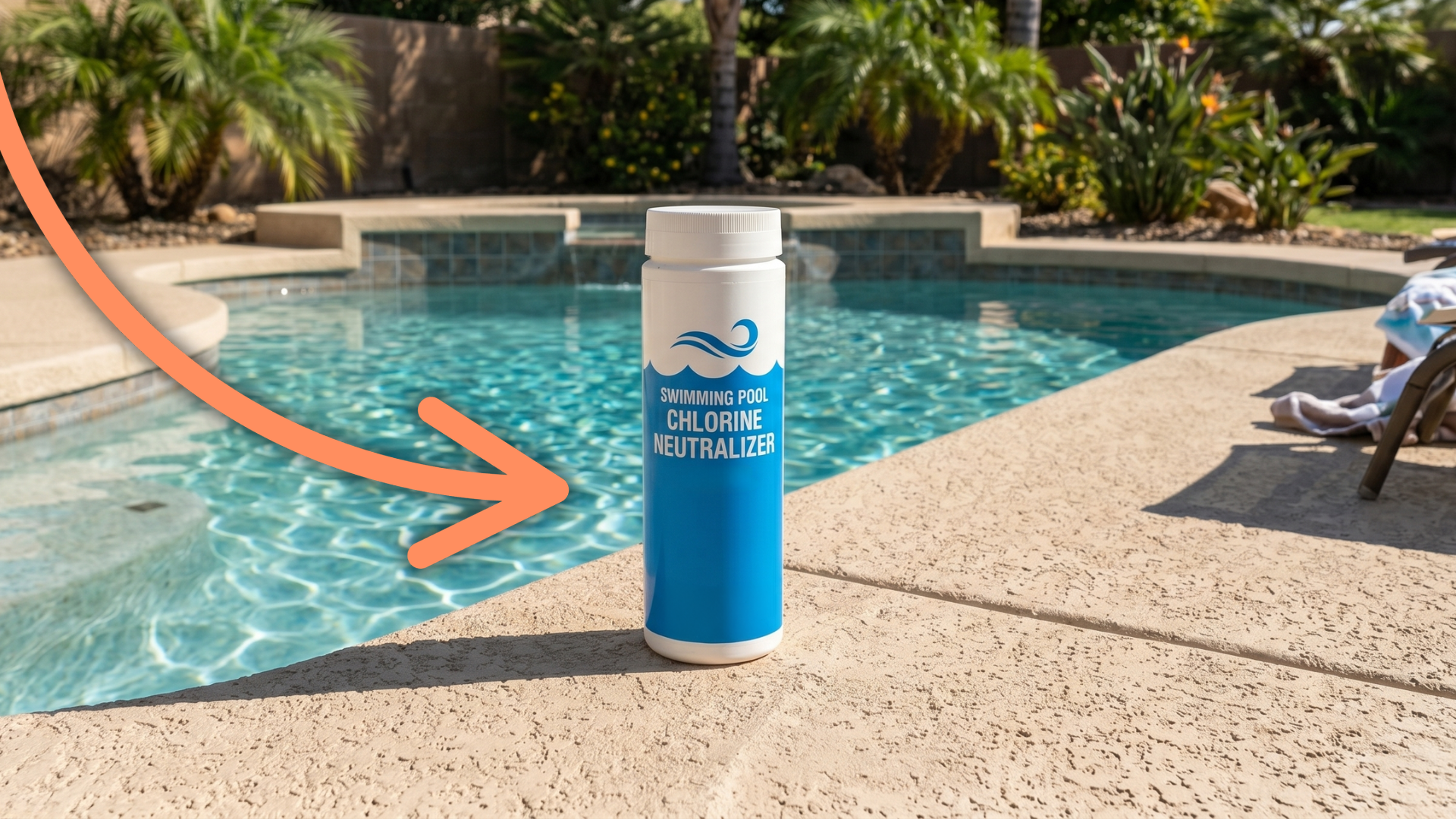
If sun and dilution feel too slow, you can buy a chlorine neutralizer at any pool supply store. This stuff is like a superhero in a bottle—it zaps chlorine on contact. Ka-pow!
Follow the instructions carefully, though. Adding too much can turn your pool into a cloudy swamp, and then you’ll have a whole new problem. Start with half the recommended dose, test, and repeat. Slow and steady wins the race.
 How To Reduce Chlorine In Pool - Property & Real Estate for Rent
Popular neutralizers include sodium thiosulfate or potassium monopersulfate. Fancy names, I know. Just grab the one labeled “chlorine reducer” and you’re golden.
A Word on Shock Treatments (Don’t Panic!)
Sometimes people shock their pools to fix algae, and then chlorine spikes. If that’s you, congratulations—you’re not broken. Just wait 24 hours after shocking. The chlorine will settle down on its own most of the time. Patience, grasshopper.
Test, Test, and Test Again
Guessing your chlorine level is like guessing how old a cat is—you’ll always be wrong. Get a reliable test kit or test strips. Dip, wait, and read. No cheating!
Aim for a safe range: 1–3 parts per million (ppm) for most pools. Anything above 5 ppm will make you feel like you’re swimming in bleach. Test every few hours while you’re lowering it, so you don’t overshoot.
Overshooting is the pool equivalent of seasoning your food twice—salty! But hey, it’s fixable. Just add more water or wait a bit longer. You’ve got this.
Throwing a Pool Party (Yes, Really!)
Here’s a fun one: Invite people over. Seriously. When swimmers splash and play, they introduce organic stuff (sweat, sunscreen, etc.) that eats up chlorine. It’s a win-win—you get to party, and your pool gets balanced.
Just make sure your chlorine isn’t so high it burns their eyeballs. Keep it under 5 ppm for guests. Nobody likes a stinging swim. Promise them pizza, and they won’t care about the chemistry.
Bonus: You’ll look like a hero for having a “naturally balanced” pool. Secret’s safe with me.
 How to Bring down Free Chlorine in Pool: Quick & Safe Tips
Don’t Forget the Filter
Your pool filter is like a bouncer at a club—it helps remove excess chemicals if you let it work. Run your pump and filter for a few extra hours each day. Let it do its thing.
Backwash the filter afterward, because it’ll be full of chlorine and debris. That gunk needs to go. Think of it as a spa day for your filter. Clean filters = happy pool.
And for the love of all things chlorinated, don’t forget to rinse off your filters regularly. A dirty filter makes chlorine levels hold steady like a stubborn mule.
When All Else Fails, Wait
Sometimes the best action is no action. Chlorine evaporates naturally—it’s not a permanent resident. Give it 24 to 48 hours and test again. You might wake up to perfectly balanced water, like magic.
Of course, if you’re in a hurry for a swim date, use the sun or neutralizer. But if you’re just lounging around, let time be your friend. Breathe. The pool will be fine.
Uplifting Conclusion (You Made It!)
Look at you—pool whisperer! You’ve tackled high chlorine like a pro, using sunshine, water, and a little bottle of science. Your pool is no longer a chemical volcano; it’s a soothing oasis ready for cannonballs and lazy floats.
Remember, every pool owner has a “whoopsie” moment. You’re not alone. The fact that you cared enough to fix it makes you a champion of clean, clear swims. High five!
So go ahead, grab your floatie, dive in, and enjoy water that doesn’t smell like a hospital. You’ve earned it. Your skin will thank you, your eyes won’t sting, and your pool will sparkle. Life’s good. Now, someone fetch me a lemonade—I’m poolside and ready to relax!
