What Is Electrolyzed Reduced Water

You’ve probably seen the glossy bottles of “alkaline water” at your local juice bar, or overheard someone at the gym swearing by their new countertop machine. But there’s a qu...
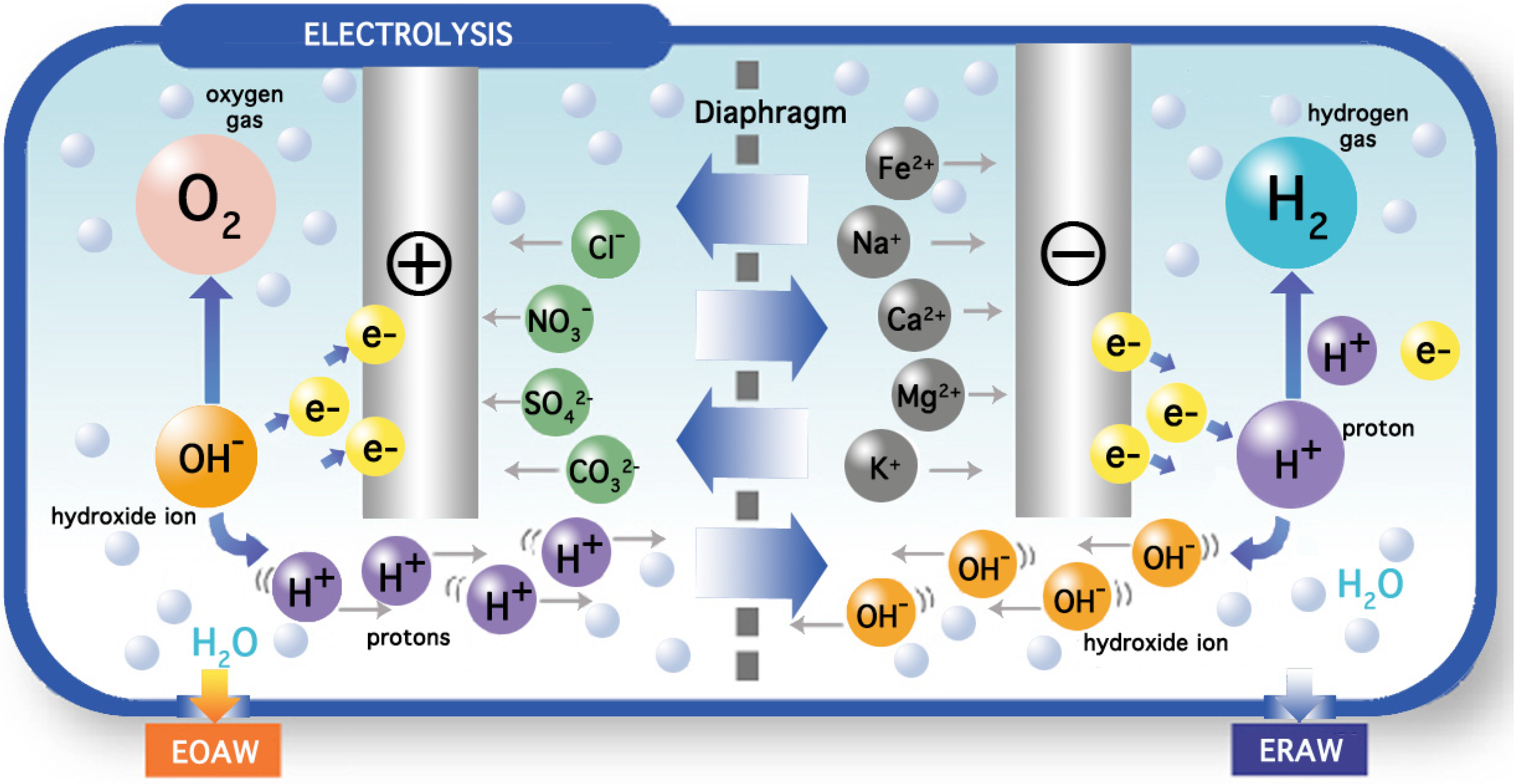
You’ve probably seen the glossy bottles of “alkaline water” at your local juice bar, or overheard someone at the gym swearing by their new countertop machine. But there’s a quieter, more specific cousin in the hydration family: Electrolyzed Reduced Water, or ERW. It sounds like something from a sci-fi chemistry set, but in Japan and South Korea, it’s as common as a morning espresso.
The Science-Lite, Please
At its core, ERW is tap water that has been passed through a device called a water ionizer. The machine uses electricity to split the water into two streams: acidic water (great for cleaning) and alkaline, hydrogen-rich water (the one you drink).
This alkaline stream is what we call ERW. It has a higher pH than regular water and contains molecular hydrogen, a tiny antioxidant that your body can actually absorb.
Must Read
Why Should You Care?
The main claim to fame for ERW is its potential to fight oxidative stress. Think of antioxidants as tiny bouncers for your cells, kicking out rowdy free radicals. Molecular hydrogen is a particularly good bouncer—small, fast, and non-toxic.
Some early studies suggest ERW might help with everything from post-workout recovery to gut health. It’s not a magic potion, but it’s a fascinating tool for daily hydration-plus.
Fun fact: Water ionizers were first approved as medical devices in Japan in the 1960s. They’ve been used in hospitals for digestive issues. That’s serious street cred for a bottle of H2O.
The Cultural Touchstone
In Seoul, you’ll see ERW dispensers in apartment lobbies, right next to the mailboxes. In Tokyo, it’s common for families to install a whole-house system. It’s not a wellness fad there—it’s just smart infrastructure.
Meanwhile, Silicon Valley biohackers have adopted it as a performance hack. They call it “hydrogen water,” and they drink it out of sleek, matte-black bottles while coding. Trendy? Sure. But the science has been simmering for decades.
 Water-electrolysis with ion-exchange membranes followed by passing
Practical Tips for the Curious
If you want to try ERW without buying a $1,500 machine, start with hydrogen-infused tablets or stick packs. Drop one into a glass of still water and stir. It’s the easiest, cheapest way to test if you notice any difference in your energy or digestion.
If you’re ready to commit, look for a countertop ionizer with a solid warranty. Skip the cheap models—they often can’t produce enough hydrogen to matter. Aim for a machine that can generate at least 1,000 ppb (parts per billion) of dissolved hydrogen.
Pro tip: Drink your ERW within 30 minutes of pouring it. The hydrogen gas escapes quickly, like the fizz from an open soda. Keep it in a sealed glass bottle in the fridge to slow the loss.
What It’s Not
ERW is not a cure for any disease. No water is. Don’t fall for the extreme marketing claims that suggest it will reverse aging or “cure cancer.” The FDA has explicitly warned companies against making such claims.
But as a simple upgrade to your daily hydration ritual? It’s a low-risk, elegant experiment. Think of it as swapping plain oatmeal for overnight oats with berries—you’re not changing your life, but you’re refining it.
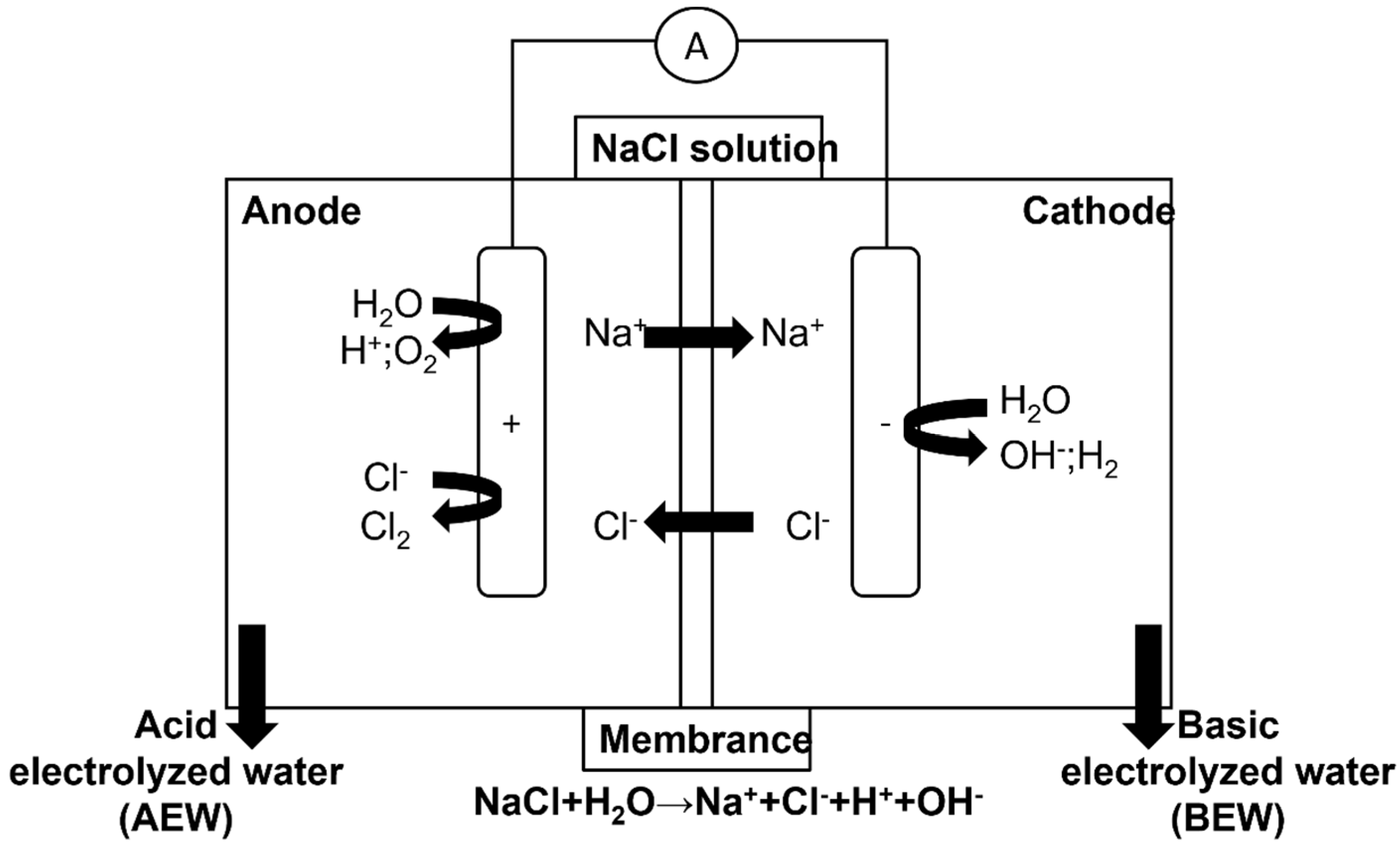 Electrolyzed Water and Its Pharmacological Activities: A Mini-Review
A Fun Little Fact
ERW can have a pH between 8.5 and 10.0. That’s slightly more alkaline than your blood, which sits at a cozy 7.4. Your body is brilliant at regulating its own pH, so the water isn’t “alkalizing you,” but it may help buffer stomach acid after a heavy meal.
Another nerdy gem: The machine also produces “strong acidic water” with a pH of 2.5. In Japan, they use that to sanitize cutting boards and wash vegetables. One device, two jobs—like a Swiss Army knife for your kitchen.
Connecting to Daily Life
Here’s the real takeaway: You don’t need a lab coat or a wellness obsession to appreciate ERW. It’s simply a cleaner, more intentional way to drink water. The act of choosing it—of pausing to fill your bottle from a special tap—becomes a small ritual.
Rituals matter. They anchor us in a busy world. Every sip of ERW reminds you that you care enough to refine something as ordinary as water. And maybe, just maybe, that tiny mindfulness trickles into the rest of your afternoon.
So go ahead: buy a bottle of hydrogen water from the corner store, or ask a friend about their ionizer. Taste it. Notice how it feels. Then decide for yourself. The best lifestyle tip isn’t about following a trend—it’s about staying curious about what works for your body.
