How To Soften Stiff Fabric Quickly

Picture this: You’ve just bought that perfect vintage denim jacket, or maybe it’s a brand-new linen shirt that looked so good on the mannequin. You bring it home, and it feels...

Picture this: You’ve just bought that perfect vintage denim jacket, or maybe it’s a brand-new linen shirt that looked so good on the mannequin. You bring it home, and it feels like you’re wrestling a cardboard box into submission. Don’t panic—you haven’t bought a costume piece. That fabric is just being a drama queen, and we’re about to teach it some manners.
Stiff fabric is basically fabric that forgot it’s supposed to be comfortable. It’s full of sizing—a starch-like chemical coating manufacturers add to keep threads neat during shipping. Think of it as the overprotective parent of the textile world. But you don’t have to wait through six washes to get that buttery-soft feel. We’re going nuclear, and by nuclear, I mean using stuff you already have in your kitchen and bathroom.
Option One: The Vinegar Baptism
Yes, white vinegar. The same stuff you use to make pickles and pretend you’re cleaning your coffee maker. Grab a half-cup and add it to your washing machine’s rinse cycle. Do not pour it directly on the fabric unless you want your shirt to smell like a salad bar. The acetic acid breaks down the sizing like it’s gossiping about it behind its back.
Must Read
Your clothes will come out smelling like nothing. I promise. Vinegar smell vanishes once dry, unlike that one friend who overstays their welcome. This trick works wonders on cotton, linen, and denim—basically anything that’s not silk or your grandma’s heirloom lace.
The Baking Soda Power-Up (Optional but Hilarious)
If you’re feeling extra, add a half-cup of baking soda to the wash load with your detergent. Why? Because baking soda and vinegar create a fizzy volcano, but safely diluted in water, they balance pH and soften fibers. It’s like giving your fabric a spa day, except the spa is a spinning metal tube.
One surprising fact: Most commercial fabric softeners actually coat fibers in waxy residue that builds up over time. Vinegar and baking soda strip that junk away. Your clothes will thank you by not feeling like they’re wearing a plastic bag.
Option Two: The Salt Scrub (Sounds Weird, Works Great)
For stiff new jeans or a crunchy cotton shirt, fill your sink with cold water and dissolve a generous fistful of table salt. Soak the garment for about an hour. Salt pulls the sizing out of the fibers because science says salt is a thirsty little diva that draws impurities out.
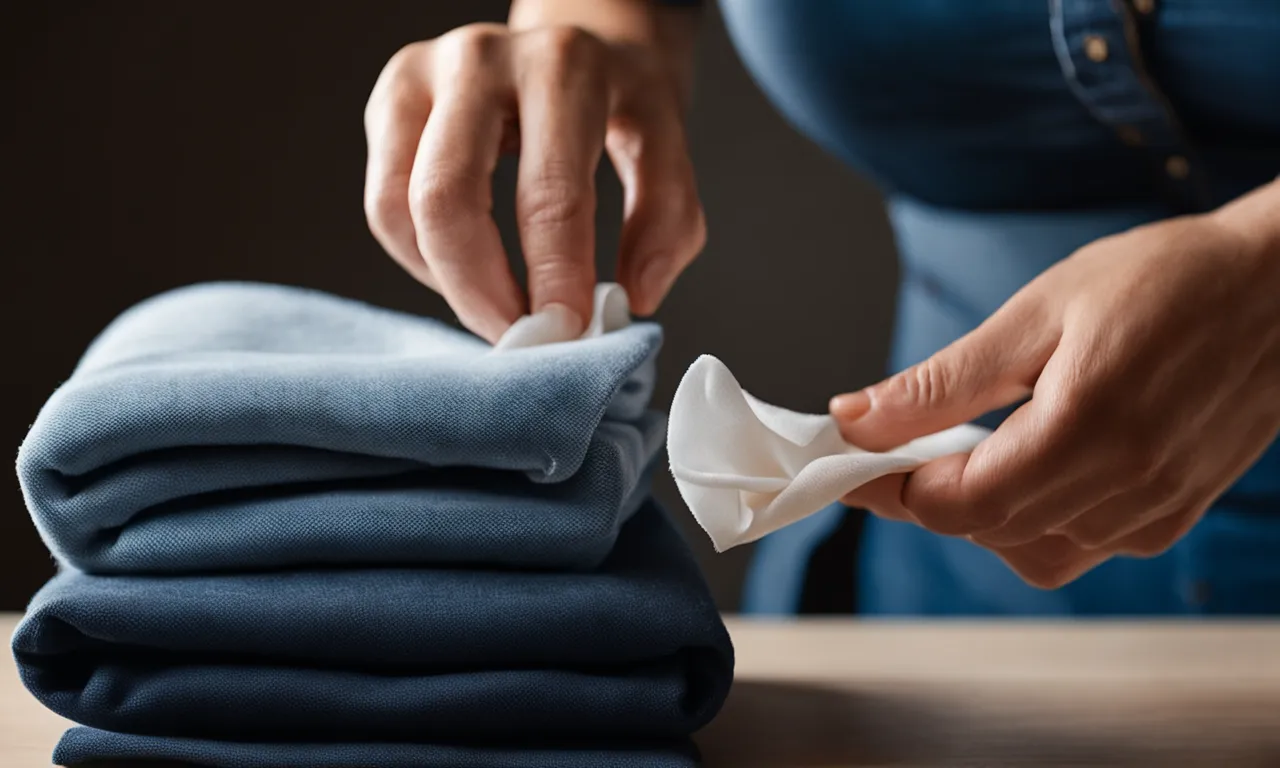 How To Soften Stiff Fabric Without Washing
Then, toss it in a quick wash with a cup of—you guessed it—white vinegar. By the end, your jeans will feel like they’ve been worn by a cozy ghost. You’re basically performing an exorcism on stiffness. Surprising fact: sailors used saltwater to soften canvas sails. If it’s good enough for a ship, it’s good enough for your T-shirt.
The “Don’t Dry It Like a Caveman” Rule
Here’s the part where most people ruin everything: the dryer. High heat sets stiffness permanently. After your vinegar bath, toss the fabric into the dryer with a damp towel on low heat. The steam from the towel fluffs the fibers open. No towel? Air-dry it halfway, then finish with five minutes in the dryer.
This is called the “patience paradox”—you rush by using the dryer, but only on low. If you crank it to “lava,” you’ll create a fiber fortress. Your fabric will be stiff forever, and you’ll have to move to a cabin in the woods to escape its judgment.
Option Three: The Old-School Thug Method
If you have zero time and zero patience, go physical. Dampen the stiff fabric (slightly), then whack it against a hard surface. A table edge, a countertop, the smug face of your least favorite appliance. This breaks the starch bonds physically. It’s the same way people used to “mill” linen in medieval times, except they had more calluses and fewer podcasts.
 How to Soften Stiff Hemp Fabric Without Damaging the Fibers
Warning: Do not do this with silk or rayon unless you want to explain to your spouse why your shirt now has a table-shaped dent. But for denim, canvas, and heavy cotton? Go full Viking. It’s surprisingly therapeutic.
The “Secret Ingredient” No One Talks About
Hair conditioner. I know, I know—but hear me out. For super stubborn fabrics like raw denim or hemp, rub a tiny amount of cheap hair conditioner onto the fibers after washing. Rinse thoroughly. The oils coat the threads without making them greasy. Your jeans will smell like a salon, but they’ll move like butter.
Surprising fact: professional textile restorers sometimes use a drop of olive oil on antique lace. So really, you’re just being a textile historian. A very stylish one.
Final Pro Tip: Embrace The Crunch (Eventually)
Sometimes, stiffness isn’t the enemy—it’s character. That new linen shirt? It’s supposed to be a little crisp. Wear it for an hour, and your body heat will do the softening for free. You’re basically a walking iron.
But if you need it soft right now, just remember: vinegar, salt, low heat, and maybe a few good whacks. You’ve got this. Now go forth and make your clothes as soft as your excuses for buying them in the first place.
