How To Remove Stains Of Hard Water

Let’s talk about hard water. No, not the kind you get from your dad refusing to hug you. I’m talking about that chalky white crust that forms on your faucets, coffee pot, and...
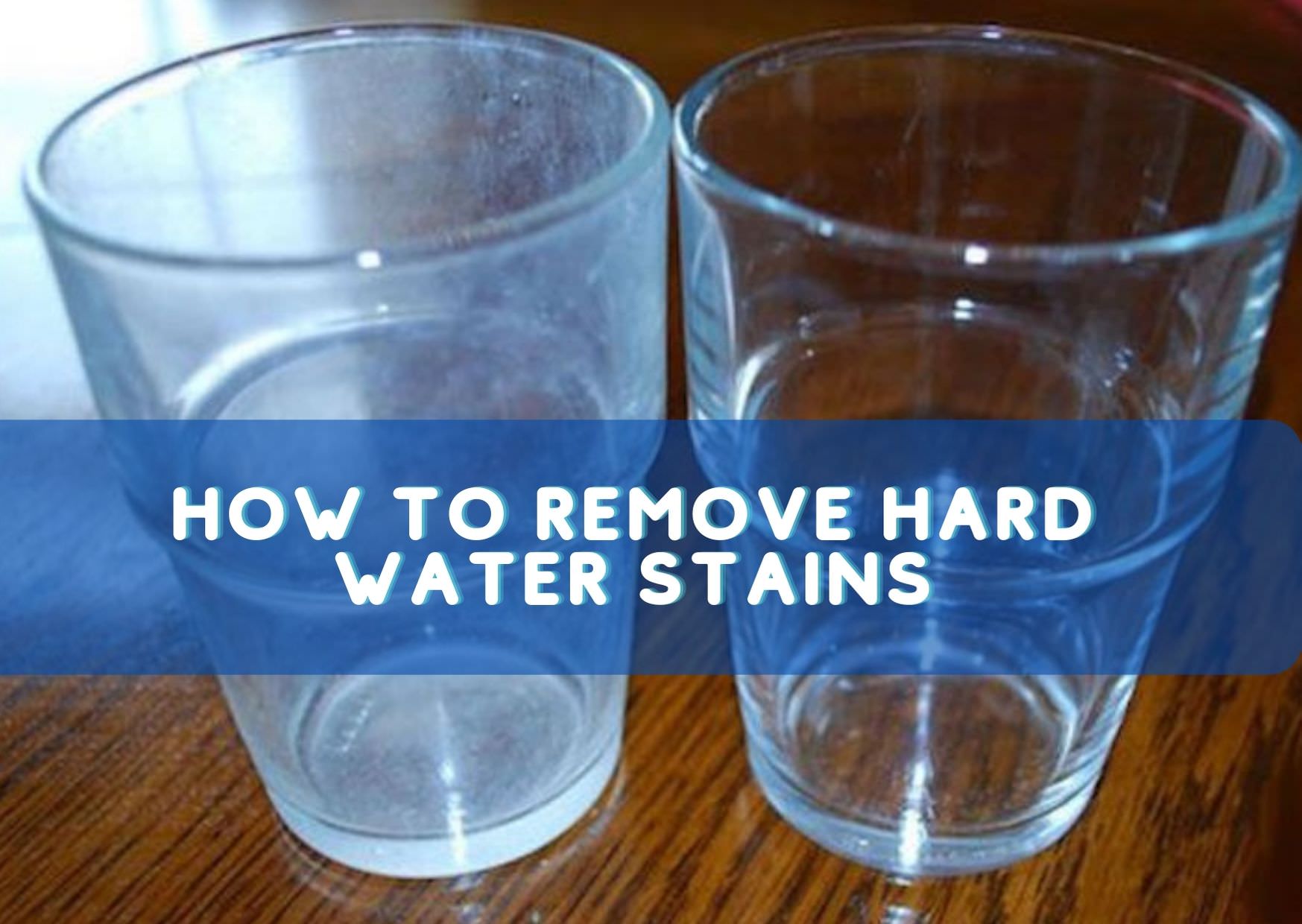
Let’s talk about hard water. No, not the kind you get from your dad refusing to hug you. I’m talking about that chalky white crust that forms on your faucets, coffee pot, and shower doors. It looks like a miniature salt desert, but it’s actually just calcium carbonate throwing a permanent house party. If you’ve ever licked a showerhead (and let’s be honest, you haven’t), you’d find it tastes like licking a limestone cliff. Not recommended.
Why Your Faucets Look Like They’ve Seen Better Days
Hard water isn’t just a stain—it’s a mineral invasion. Water picks up calcium and magnesium as it travels through the ground, and when it dries, those minerals stay behind. Think of it as the water’s way of leaving a wet, chalky “I was here” note on every surface. The good news? You don’t need a chemistry degree or a hazmat suit to fight back. You need vinegar, a little grit, and the patience of a saint who also enjoys peeling dried glue off their fingers.
The Magic of Acid (It’s Not a Party Drug)
Here’s the scientific secret that will save your sanity: acid dissolves alkaline minerals. White vinegar, which is essentially cheap, sad wine that gave up, works miracles. It’s about 5% acetic acid, which is strong enough to eat through hard water stains but weak enough not to dissolve your sink (usually). Pour some vinegar into a spray bottle, spritz your crusty faucets, and let it sit for ten minutes. Ten. Minutes. Not three. Not overnight, unless you want your bathroom to smell like a pickle factory. After the wait, scrub with an old toothbrush. That’s right—the same one you used to brush your teeth after eating spinach dip. It’s time for its redemption arc.
Must Read
The Coffee Pot Crisis
Your coffee maker is probably the biggest victim of hard water in your kitchen. That white film inside the carafe isn’t “patina”—it’s a mineral graveyard for flavor. Here’s a fix that feels like a science experiment: fill the reservoir with half water, half vinegar, and run a brew cycle. Then, run three or four more cycles with plain water to rinse. Your coffee will thank you by tasting less like a sidewalk and more like actual joy. One warning: the smell during the vinegar cycle is aggressive. Open a window, light a candle, or pretend you’re pickling your appliances for fun.
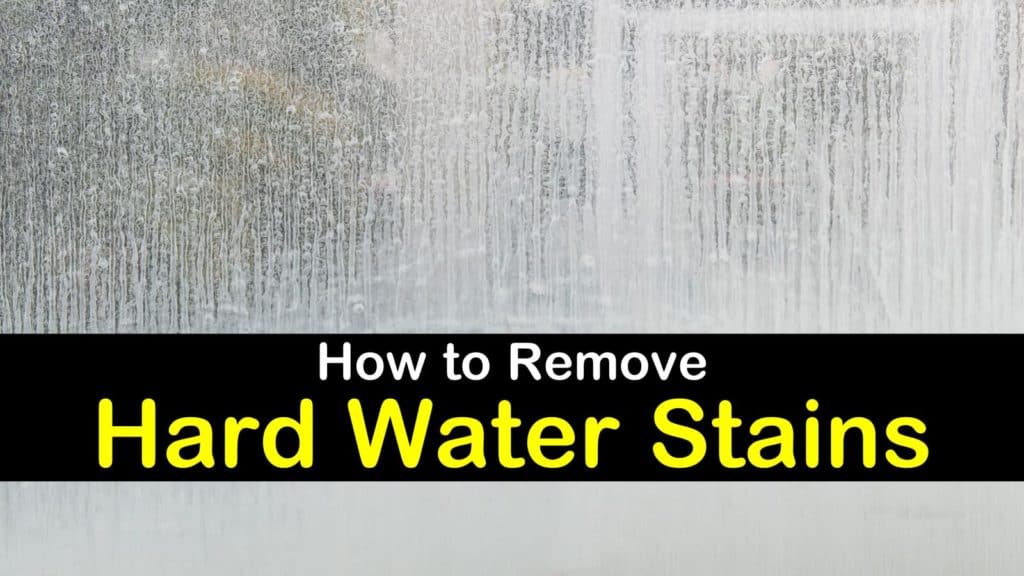 6 Clever Ways to Remove Hard Water Stains
Shower Doors: The Crystal Kingdom of Annoyance
Shower doors are where hard water stains go to become art. Cloudy, stubborn, art. To defeat them, mix equal parts white vinegar and dish soap in a spray bottle. The dish soap cuts through soap scum (which is basically the ghost of your body wash), and the vinegar demolishes the minerals. Spray it on, let it sit for fifteen minutes, then scrub with a sponge—not steel wool, unless you want your shower door to look like you fought a badger. Rinse with water and dry with a microfiber cloth. The drying step is crucial. If you don’t dry it, the water droplets will dry and laugh in your face. Hard water is petty like that.
The Toilet Bowl: A Throne of Despair
That ring inside your toilet bowl isn’t a performance art piece. It’s hard water mixed with bacteria, and it’s ugly. Drop a pumice stone into the bowl (get one meant for toilets, not your feet), wet it, and gently rub the ring. The pumice is softer than porcelain, so it scrubs without scratching. It’s like a spa treatment for your toilet. If you don’t have a pumice stone, pour a cup of vinegar into the overflow tube (the hole in the bottom of the tank) and let it sit overnight. The next morning, flush. Your toilet will cough up white chunks, which is disgusting but also deeply satisfying. You’ve been warned.
 How to Remove Hard Water Buildup From Faucet | Easy Hard Water Stain
Surprising Fact: Lemon Juice Works Better Than Vinegar
If you want to feel fancy, use lemon juice. Citric acid is slightly stronger than acetic acid, and it smells like a lemonade stand instead of a ballpark’s ghost. Mix lemon juice with salt to make a paste, apply it to a glass shower door, and watch the crust dissolve like your motivation on a rainy Monday. Surprisingly, ketchup also works. Yes, ketchup. Its vinegar and tomato acid content makes it a weird, messy miracle worker. Smear it on a stain, wait 20 minutes, and rinse. You’ll have a clean fixture that now smells like a hot dog. Which is objectively better than hard water?r
The Final Step: Prevention (Because You’re Not a Glutton for Punishment)
To stop hard water from returning, buy a squeegee for your shower and use it after every rinse. Yes, every time. It’s annoying, but less annoying than scrubbing with a toothbrush while crying. For your coffee pot, occasionally run a cycle with a half-teaspoon of cream of tartar—yes, the baking ingredient. It chelates minerals, making them easy to rinse away. And if you’re truly desperate, install a water softener. It’s like giving your entire house a giant, expensive spa day. But hey, your faucets will glisten like a movie star’s smile, and your coffee will taste like heaven’s bottomless cup. Isn’t that worth the price of one small lemon?
