How To Calculate Hardness Of Water

So, you want to calculate water hardness. Maybe you’re tired of spotty glasses, or your soap just won’t lather. Don’t worry—this isn’t chemistry class; it’s a fun little detec...

So, you want to calculate water hardness. Maybe you’re tired of spotty glasses, or your soap just won’t lather. Don’t worry—this isn’t chemistry class; it’s a fun little detective mission for your tap water.
First, let’s get friendly with the culprit. Hard water is packed with calcium and magnesium minerals—they’re not villains, just clingy guests that leave a mess. Understanding how hard your water is can actually save you money on soap, appliances, and even your hair’s happiness. Ready to become a water sleuth?
Why even bother? (Spoiler: It’s worth it)
Knowing your water’s hardness is like knowing your coffee’s strength. You can adjust your detergent, avoid scale buildup in your kettle, and keep your skin feeling less like dried parchment.
Must Read
Plus, it’s a great party trick. Imagine casually saying, “My water hardness is 150 ppm,” and watching everyone nod in awe. It’s science, but it’s also your secret weapon for a smoother home life.
Method 1: The Soap Suds Test (No fancy gear)
This is the low-tech, hands-on approach. Grab a clean, clear jar with a lid, fill it halfway with tap water, and add a single drop of liquid dish soap. Put the lid on and shake it like a polaroid picture.
If you see a mountain of fluffy suds, your water is soft—congratulations! If you get a few weak bubbles or a cloudy, scummy layer, you’ve got hard water. The fewer suds, the harder the water. This method isn’t precise, but it’s delightfully tactile and instant.
 Water Hardness Unit Converter at Lillie Cornell blog
Method 2: The Kitchen Scale Payoff (DIY chemistry)
Feeling a bit more scientific? Let’s get measuring. You’ll need a clean saucepan, a stove, and a kitchen scale that reads in grams. Boil exactly one liter of your tap water until it’s completely evaporated—yes, this takes patience, but think of it as meditation with a purpose.
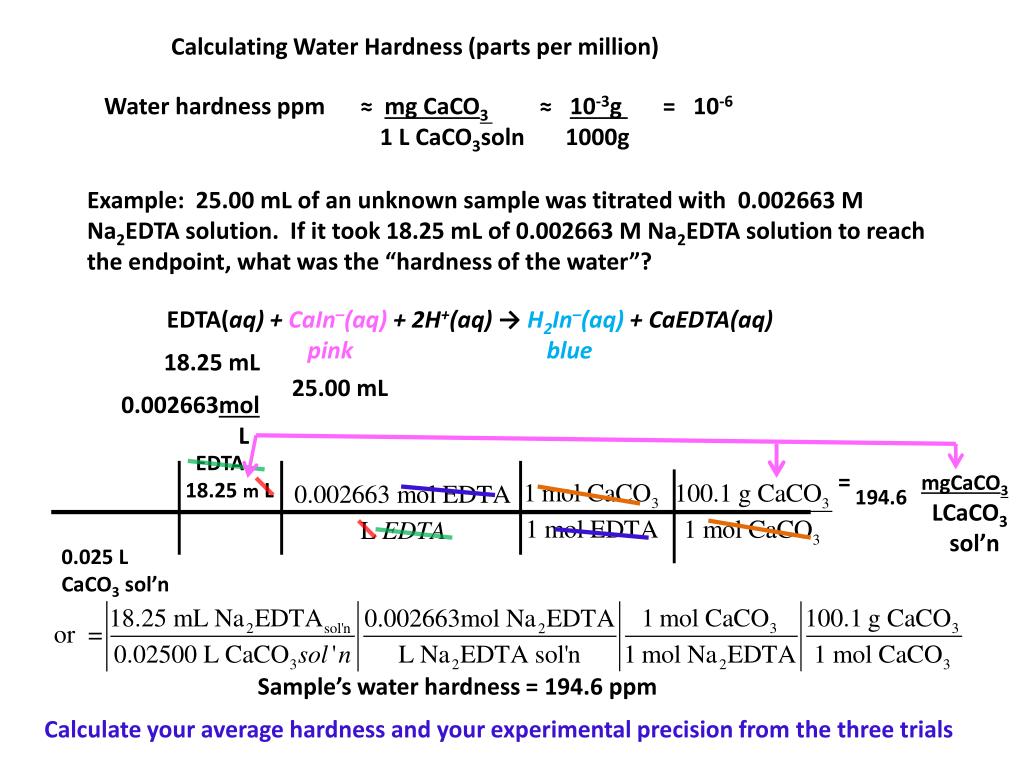
Let the pan cool, then weigh the white crust left behind. That crust is the calcium and magnesium in solid form. One gram of residue equals roughly 1000 parts per million (ppm) of hardness. For most homes, you’ll see between 0.050 and 0.300 grams, meaning your water is between 50 and 300 ppm. That’s your magic number.
Method 3: The Cheat Code (Test strips)
If boiling water for an hour sounds like a chore, there’s a faster way: water hardness test strips. You can buy them online or at any hardware store for a few bucks. Just dip, wait, and compare the color to a chart. It’s so easy, your goldfish could do it.
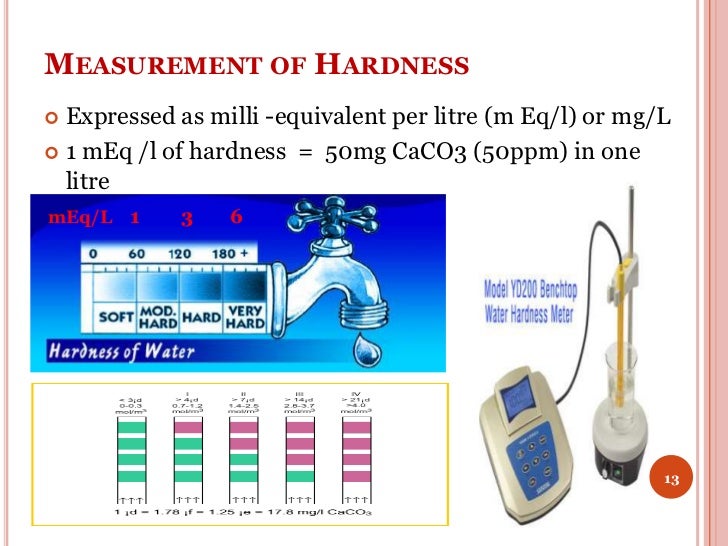
These strips give you a reading in grains per gallon (gpg) or ppm. One grain equals 17.1 ppm, if you want to sound extra smart at dinner. Either way, the strip turns a color, and you instantly know if your water is “soft” (under 60 ppm) or “very hard” (over 180 ppm).
 PPT - Hardness of Water PowerPoint Presentation, free download - ID:6601427
What do I do with this knowledge?
Now that you’ve calculated your hardness, the real fun begins. If your water is hard, you can choose to install a water softener, or embrace the mineral-rich challenge with a little extra soap. The point is, you have power over your suds.
Soft water lovers report shinier hair, cleaner clothes, and appliances that last longer. Hard water fans argue it tastes better and adds healthy minerals. Neither is right or wrong—it’s your water, your choice.
And here’s the uplifting twist: you just performed a scientific experiment in your own kitchen. You observed, measured, and gained control over a hidden force in your daily life. That’s not boring—that’s awesome.
Go forth, you magnificent water detective. Test your tap, share your findings, and remember: hard water is just water that’s been busy collecting a little extra sparkle for you. Now, go enjoy those sparkly glasses you’re about to have.
