How To Get Rid Of Calcium Build Up

Let’s talk about calcium. Not the kind in your milk. The kind that haunts your faucets. It’s that chalky, white crust that makes your shiny fixtures look like they’ve been dus...

Let’s talk about calcium. Not the kind in your milk. The kind that haunts your faucets. It’s that chalky, white crust that makes your shiny fixtures look like they’ve been dusted with moon rocks.
It’s also called limescale. Fun name, right? It sounds like a disease a pirate would get. But don’t worry—we’re sending this crusty intruder packing.
Meet Your Nemesis: The Crust
Calcium build-up is just minerals from hard water. They throw a party on your surfaces when water dries. Think of it as nature's graffiti—except it ruins your coffee pot’s vibe.
Must Read
It’s most common in areas with hard water. That’s water that’s basically a rock smoothie. The harder your water, the faster the crust appears.
Does it hurt you? Nope. But it clogs showerheads, dulls glass, and makes your kettle sound like it’s screaming. Time to evict it.
Your Secret Weapon: Vinegar
Grab the white vinegar. Yes, the stuff you also use to pickle things. This is not a cooking moment—it’s a cleaning exorcism.
Vinegar is acidic. Calcium is basic. They hate each other. When they meet, they dissolve into nothingness. It’s chemistry, baby, but way more satisfying than high school lab.
Fun fact: If you drop a chunk of limescale into vinegar, it fizzes like a cartoon bomb. Do it in your sink for a tiny science show.
How to Use It on Your Faucets
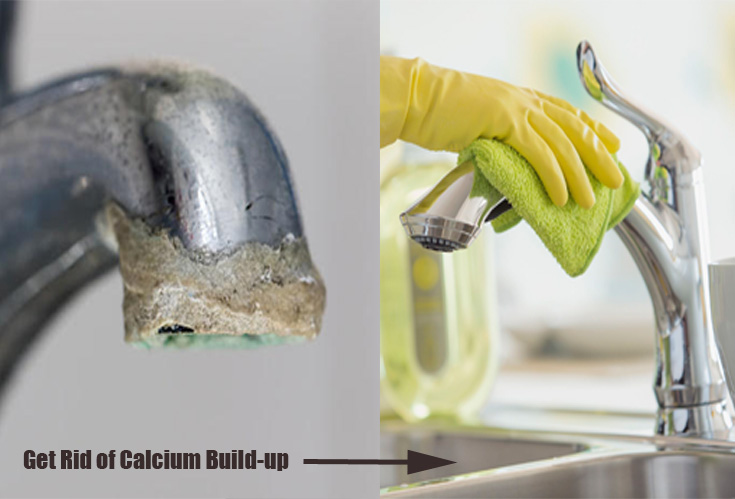
Soak a cloth in vinegar. Wrap it around the crusty faucet like a spa towel. Let it sit for 15 minutes. The calcium gets weak and starts crying.
Scrub with an old toothbrush. It will flake off like cheap nail polish. Rinse. Your faucet will look like it just got a facelift.
For extra drama, use a plastic bag full of vinegar tied around the faucet. It looks ridiculous. It works perfectly.
Kettles and Coffee Makers: The Crusty Heart
Your kettle is a calcium cave. Fill it with equal parts water and vinegar. Boil it. Let it sit for an hour. Pour out the nasty liquid.
Boil fresh water twice to rinse. The vinegar smell will vanish. Your tea will taste like tea again—not like a mineral bath.
 How to Get Rid of Calcium Build-up on Your Taps | RONALDO'S HOME DESIGN
For coffee makers, run a vinegar cycle. Then two water cycles. Your morning joe will thank you. So will your sanity.
Showerheads: The Drip Dancer
Remove the showerhead. Soak it in a bowl of vinegar overnight. If it’s stuck, use cursing and a wrench (politely).
By morning, the calcium will be dissolved soup. Rinse well. Reattach. Your shower will spray like a rainforest again.
Quirky fact: If you don’t clean it, the build-up can host bacteria. So you’re not just scrubbing crust—you’re preventing a tiny soapy zombie apocalypse.
Glass Shower Doors: The Glare Killer
That foggy film on your shower door? Calcium. Spray it with equal parts vinegar and water. Let it sit for 10 minutes.
Scrub with a sponge. Use a squeegee after every shower forever. I know—boring. But it keeps the crust away.
For stubborn spots, add a little baking soda. It fizzes and scrubs like a mini volcano. Your door will go from “ghostly” to “gleaming.”
Toilets: The Throne of Crust
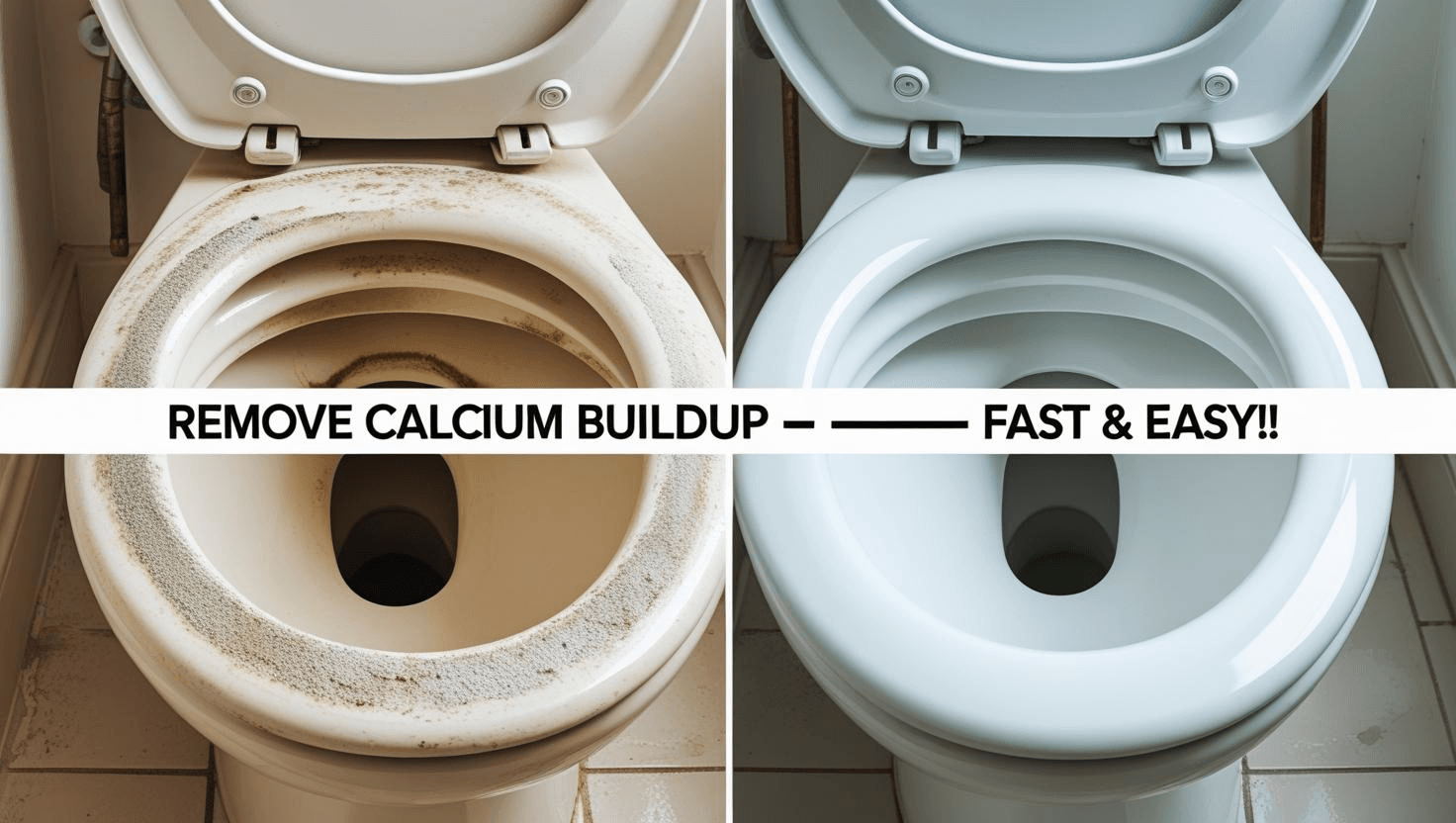
Pour vinegar into the bowl. Let it sit for an hour. Scrub with a brush. Flush. The ring under the rim? That’s calcium’s throne.
For a deeper clean, pour a cup of vinegar into the overflow tube (the hole in the tank). It cleans hidden deposits. Your toilet will flush like a champ.
Bonus: Your bathroom will smell like a salad dressing factory. Open a window. It’s a small price to pay for victory.
Dishwashers: The Silent Crust Factory
Run an empty cycle with a cup of vinegar on the top rack. It de-scales the inside. Your glasses will stop looking hazy.
 How to Remove Calcium Ring from Toilet: Easy DIY Solutions
Do this monthly. Or your dishwasher slowly becomes a calcium museum. Not the vibe you want.
Fun fact: Some dishwashers have a calcium sensor. Yours might be crying for help right now. Listen to it.
When Vinegar Won’t Cut It
For serious build-up on tiles or stone, use a commercial limescale remover. These are stronger. They don’t smell like nachos.
Always test on a hidden spot first. You don’t want to dissolve your floor. That’s a whole different kind of woop.
And never mix vinegar with bleach. You’ll make chlorine gas. That’s not fun. That’s a trip to the hospital. Stick to one weapon at a time.
The Big Why
Why bother with calcium? Because clean fixtures spark joy. They make your bathroom feel fancy. They make your coffee taste right.
It’s also oddly satisfying. Watching crust disappear is like popping bubble wrap for grown-ups. It’s therapeutic.
Plus, you’ll impress guests when your kettle looks brand new. They’ll think you hired a wizard. You didn’t. You just used vinegar.
Final Pro Tip
Prevention is lazy greatness. Wipe down your shower after use. Use a water softener if you’re fancy. Install a filter on your tap.
Every time you see a white speck, attack it. Do not let it gather. Calcium build-up is a slow, quiet invasion. You are the general of clean.
So go forth. Grab that vinegar. Fight the crust. Your faucets will shine. Your kettle will sigh in relief. And you’ll have a great story to tell while scrubbing—which is the best kind of story.
