How To Know If You Have Well Water

So, you’ve just moved into a charming fixer-upper, or maybe you’re staying at a friend’s rustic cabin, and you take a sip of water. It tastes... earthy. Like a petting zoo mix...
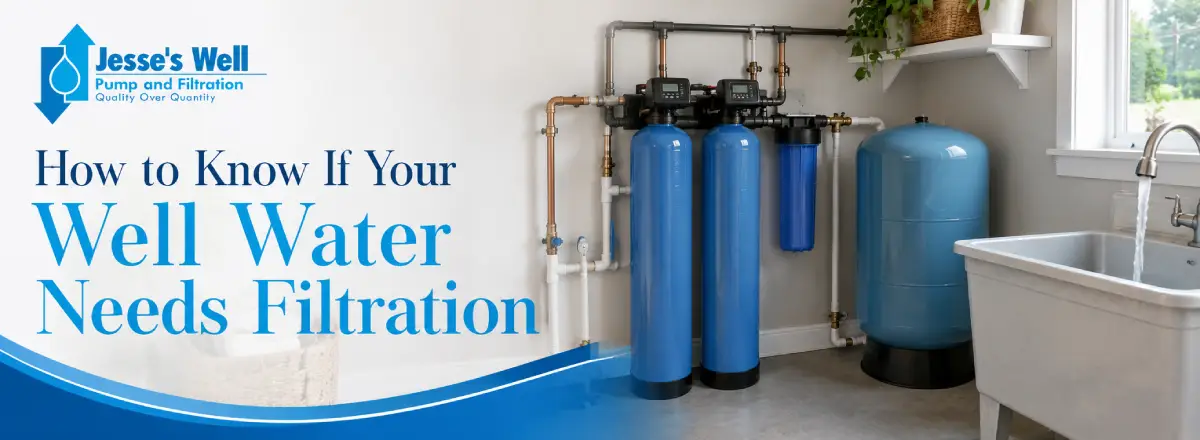
So, you’ve just moved into a charming fixer-upper, or maybe you’re staying at a friend’s rustic cabin, and you take a sip of water. It tastes... earthy. Like a petting zoo mixed with a tin can. Before you panic, let’s figure out if you’re living the well water dream (or nightmare). It’s not as obvious as you think—unless a suspicious goat is handing you a glass from a bucket.
The Telltale Taste Test (or, “Why Does My Coffee Taste Like a Rock?”)
Well water often has a distinct mineral kick that municipal water lacks. If your water tastes like you licked a penny that was sitting in a rusty toolbox, that’s usually iron or manganese. Fun fact: High iron levels can turn your white laundry a lovely shade of orange, which is not the trendy autumn look you were going for.
Another clue: a sulfurous “rotten egg” smell. That’s hydrogen sulfide gas, and it’s nature’s way of telling you your water has been hanging out with bacteria in the dark. It won’t kill you—unless you die of embarrassment at a dinner party when someone sniffs your glass and asks, “Is that a plumbing emergency?”
Must Read
If your water tastes perfectly clean and refreshing, don’t celebrate yet. Well water can be clear and delicious while hiding things like arsenic or nitrates. The earth plays a cruel game: sometimes it gives you a pristine-looking drink that’s secretly a chemistry experiment gone wrong.
The Visual Clues: “Is That a Swimming Pool or My Tap?”
Turn on the faucet and watch. If the water comes out looking like a muddy river after a rainstorm, that’s a dead giveaway—especially if it clears up after a minute. That’s called turbidity, and it means your well is basically a dirt soup strainer. Pro tip: A good well shouldn’t turn your bathtub into a crime scene after one shower.
Look for white or tan flakes floating in your tea. That’s hard water minerals (calcium and magnesium), which are great for your bones but terrible for your kettle. Fun exaggeration alert: In extreme cases, your coffee maker might start producing miniature limestone caves inside its heating element.
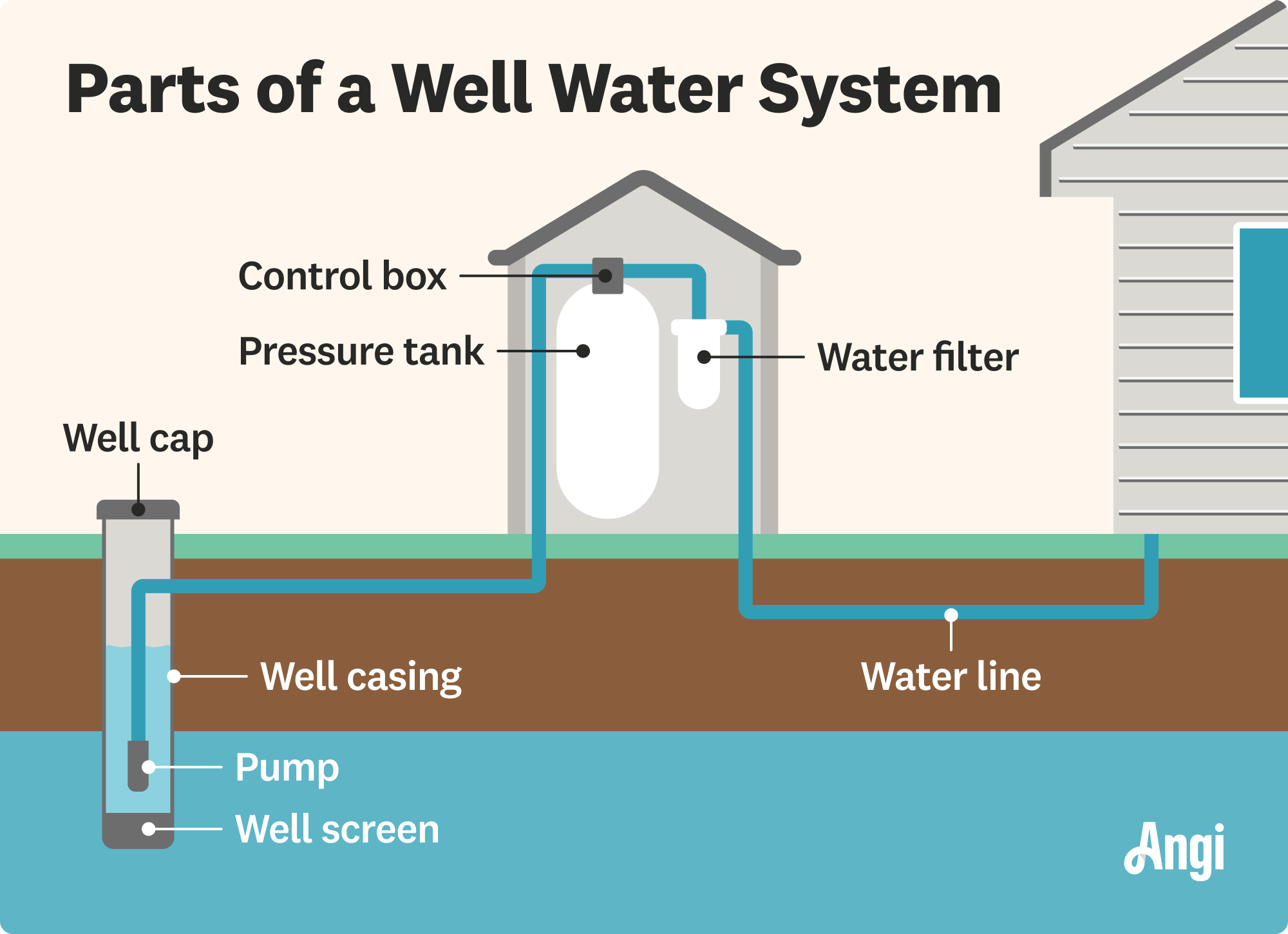 How Does a Well Work? | Angi
Another red flag: greenish-blue stains on your sinks or toilet bowl. That’s acidic water eating away at your copper pipes. It means your water is so corrosive it could probably dissolve your will to live—but don’t worry, a neutralizer filter will fix it. Or you could just embrace the rustic look and call it “patina chic.”
The “Where Is This Coming From?” Check
This is the most obvious, yet somehow most overlooked, clue: find your water source. Walk outside. If you see a metal pipe sticking out of the ground, a concrete lid near the garden, or a suspiciously green patch of grass that your dog keeps sniffing, congratulations. You’ve got a well. If you see a fire hydrant, you are not a country person—and your water is supplied by the municipality, you city slicker.
Ask your home inspector or landlord. Sometimes the answer is simpler than you think. I once met a guy who drank well water for three years before realizing his house was on the town water line. He thought the rusty taste was just “character.” It turns out his water came from a pipe installed during the Eisenhower administration. The lesson? Don’t be that guy.
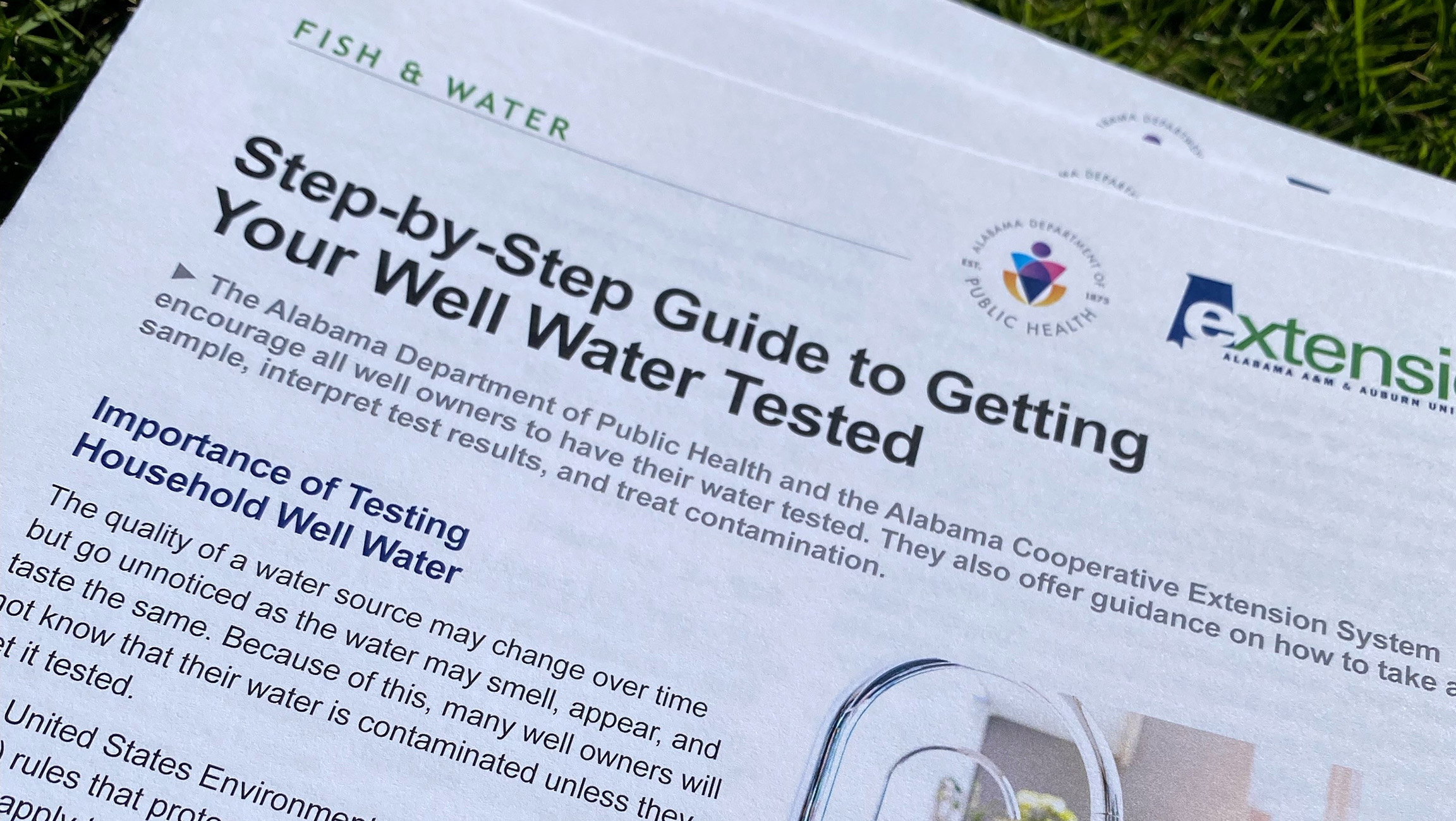 A Step-by-Step Guide to Getting Your Well Water Tested / Auburn
Still stumped? Look at your water bill. If you don’t have one, or it’s a flat fee from a rural company, that’s a solid hint. Well water is free (sort of), but you pay for the pump, tank, and electricity. The water itself is a gift from the aquifer—like a subscription service from the planet that nobody asked for.
The Surprising Fact You’ll Tell at Parties
Did you know that 43 million Americans rely on private wells? And that around 25% of them have water that fails basic safety guidelines? That’s like flipping a coin for your health. The good news: you won’t spontaneously combust. The bad news: you might be drinking e. coli if you haven’t tested it recently. Test it yearly, people. It’s cheaper than a hospital visit—and way less awkward than explaining why your guests got sick after eating your famous chili.
One final shocker: your neighbor with city water might be jealous. Well water is often untreated and rich in natural minerals that can taste amazing. It’s like farm-to-table, but for your hydration. And you’ll never have to worry about a chlorine swimming-pool aftertaste. Unless your well is near a golf course. In that case, you might be drinking fertilizer runoff. Golf clap.
The Verdict: A Simple Test
If you’re still not sure, call your county health department. They can test your water for free or cheap. Or, my favorite method: go to a neighbor and ask, “Hey, does everyone around here taste like metal and regret?” If they nod knowingly, you’ve got well water. Welcome to the club, friend. We have stickers that say, “My water comes from a hole in the ground—and I’m perfectly fine.” Mostly.
