How To Fix Leaking Pipe Under Sink

It was a Tuesday night, and I was peacefully binge-watching a show about competitive cake decorating. Suddenly, from under the kitchen sink, came a sound like a tiny, desperat...
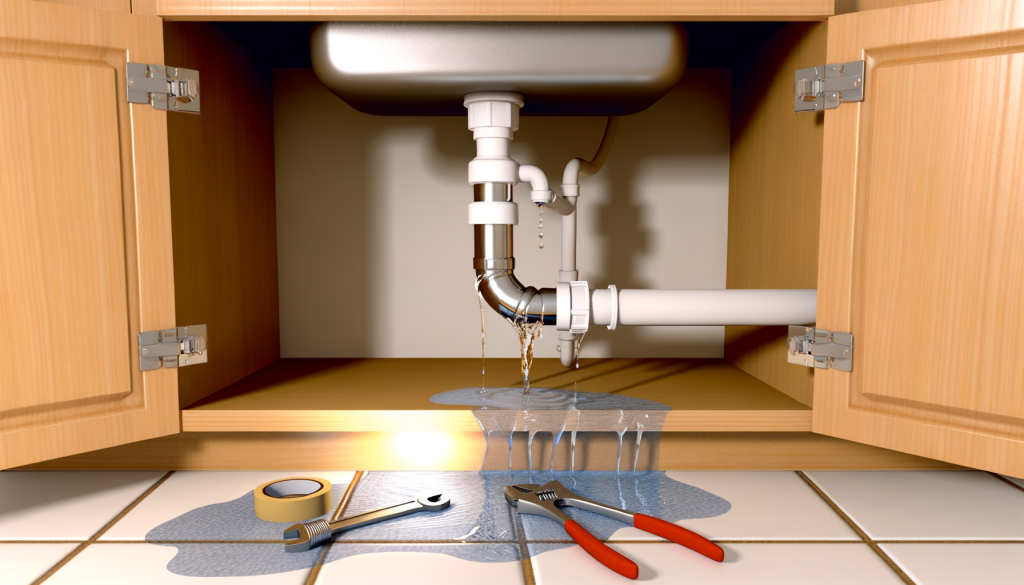
It was a Tuesday night, and I was peacefully binge-watching a show about competitive cake decorating. Suddenly, from under the kitchen sink, came a sound like a tiny, desperate whale. A gentle drip… drip… drip… that had somehow turned into a rhythmic waterfall. By the time I got on my hands and knees, my floor sponge was already having a nervous breakdown.
I stared at the mess, feeling that familiar mix of panic and self-loathing. You know the feeling—the one where you really wish you had a handyman on speed dial, but your wallet says “nope.” But here’s the secret: fixing a leaking pipe under the sink is almost always a beginner-level job. You don’t need a plumber’s license, just a bit of courage and a YouTube tutorial on standby.
First, Panic (But Only For a Minute)
Let that panic wash over you. Okay, done? Good. Now, turn off the water immediately. There’s a little valve under the sink—usually two of them, one for hot and one for cold. If you can’t find them, or they’re stuck (because of course they are), shut off the main water valve for the whole house. It’s that dramatic, but you’ll survive.
Must Read
Next, clear out all the junk you’ve been hiding under there. That spare bottle of dish soap, the mystery sponge, the old Halloween candy… just get it out. You need to see the battlefield. Trust me, working in a muddy puddle of regret is not fun.
The Usual Suspect: The P-Trap Connection
In 90% of cases, the leak is at the P-trap—that curved pipe that looks like a fancy U. It’s held together by two big plastic nuts. Don’t be scared; they’re designed to be unscrewed by hand. Try twisting them a little tighter first. Sometimes a leak is just a lazy nut that didn’t get a proper handshake.
If that doesn’t work, you’ll need to unscrew them, check the rubber gasket inside, and clean it. Over time, these gaskets get crusty with mineral deposits or just squish out of place. Wipe it clean, reposition it, and re-tighten the nut by hand plus a quarter turn with pliers. This solves maybe half of all sink drips. Celebrate that small win with a snack.
When The Pipe Itself Is The Traitor
Sometimes the pipe has a tiny crack or a hole. If it’s a metal pipe, you might see rust or a pinhole leak. Plastic pipes get brittle and snap if you look at them wrong. Don’t try to patch it with tape—I know you’re tempted, but that’s a scam that will fail at 3 AM. Suck it up and buy a replacement pipe from the hardware store (they’re like $5).
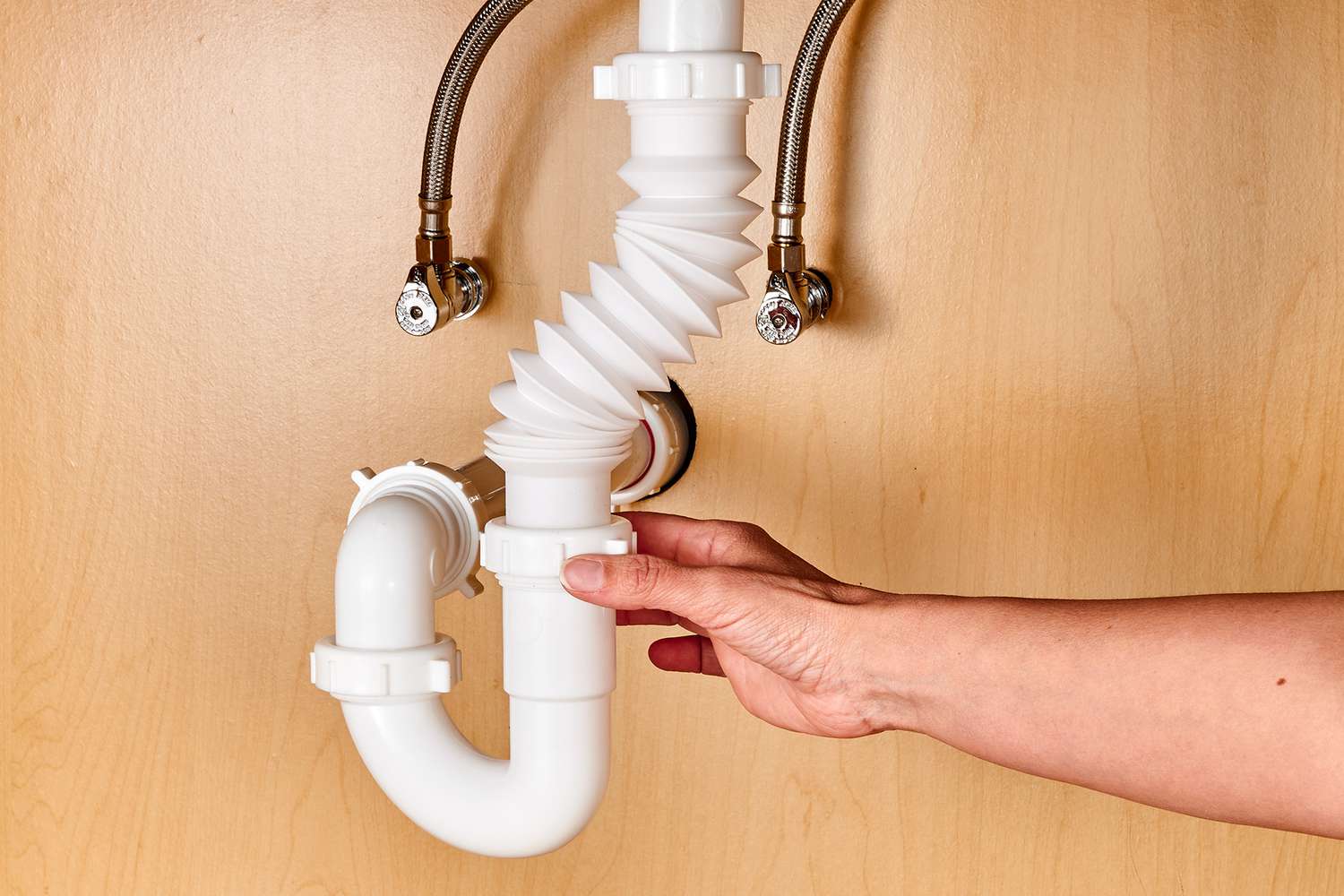 Leaking Pvc Pipe Under Kitchen Sink at Johnny Lopez blog
Bring the old piece with you to the store. The nice person at the hardware counter will help you match the size. And buy two new rubber washers while you’re there, just in case. It’s like buying socks—always good to have a spare.
The Silent Killer: The Supply Line
There’s a sneaky leak that happens at the supply line, the braided metal hose that connects the shutoff valve to the faucet. If that little hose is leaking, it’s usually because the nut is loose or the rubber washer inside is shot. Again, tighten it first. If it still drips, unscrew it, check the washer, and replace it if it looks like a squished gummy bear.
Sometimes the line itself is corroded. If you see a bubble or a wet spot on the braided metal, replace the whole line. They’re cheap, and they are not worth the flood insurance claim. Seriously, don’t gamble on a $7 part.
The “I Can’t Reach It” Struggle
You’ll probably be working in a dark, cramped cave. Get a flashlight or use your phone’s light. And for the love of all that is dry, use a bucket to catch residual water before you unscrew anything. I learned this the hard way when a cold shower of sink-water hit me in the face. Accompanied by a very specific smell.
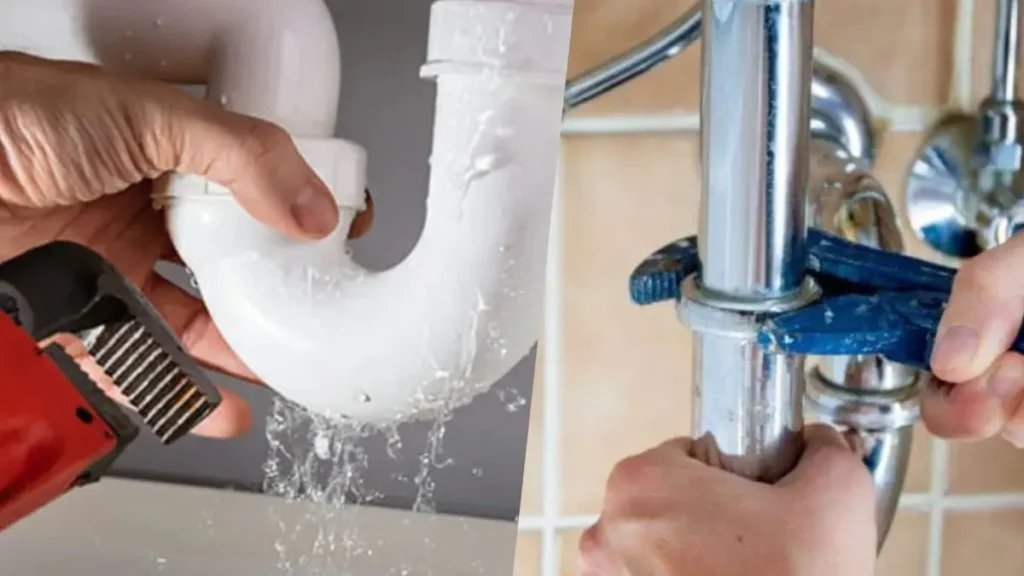 How To Fix A Broken Pipe Under The Sink
Also, if you’re using pliers, wrap the jaws with electrical tape so you don’t scratch the chrome or plastic. Scratched pipes look sad, and they’re more likely to leak again. Be gentle. You’re not opening a pickle jar.
When In Doubt, Dance With The Drain
After you’ve tightened or replaced the part, test your work. Turn the water back on slowly. Watch the leak spot like a hawk for a full minute. Then hide under the sink with a dry paper towel and wait. If you see any moisture at all, you need to tighten a bit more or reseat a washer.
Pro tip: Don’t overtighten plastic nuts. They will crack and then you’ll cry. Just snug them up with a good, firm hand. If you’re unsure, less is more—you can always tighten again.
What If It Still Leaks? A Final Confession
Okay, fine—sometimes the leak is coming from the faucet itself or a cracked pipe inside the wall. That’s above your pay grade. In that case, call a plumber and don’t feel bad. You’re not a failure; you’re a strategic warrior who knows when to retreat. But honestly, for a simple under-sink pipe leak, you got this.
I fixed my leak in twenty minutes. I felt like a superhero. My kitchen smelled faintly of rusty water for a day, but I did it. And now, when I hear a drip, I don’t panic—I just grab my pliers, mutter something about rubber washers, and get to work. You will too. Go forth and stay dry.
