How To Get Rid Of Arsenic In Water

Alright, let’s talk about something that sounds super scary but doesn’t have to be: arsenic in your water. I know, it sounds like something from a murder mystery, but the good...
Alright, let’s talk about something that sounds super scary but doesn’t have to be: arsenic in your water. I know, it sounds like something from a murder mystery, but the good news is you can kick it out without needing a hazmat suit.
First, let’s get one thing straight: arsenic is not your friend. It’s a naturally occurring element that can sneak into groundwater, and too much of it is bad news for your health. But don’t panic—we’re going to handle this like a pro.
Step 1: Know Your Enemy
Before you start buying fancy gadgets, you need to know if arsenic is even in your water. Get a lab test—not a home test strip that’s about as reliable as a Magic 8-Ball. A real lab will tell you the exact level, because arsenic can be tricky (it’s the ninja of contaminants).
Must Read
If you’re on a well, you’re more likely to have this issue. City water is usually treated, but hey, it never hurts to check. Knowledge is power, and also less poison.
Step 2: The Big Guns—Filtration
So you’ve got arsenic. Now what? You don’t need to move to a bunker in the woods. You need the right filter. Regular Brita pitchers? Cute, but useless here. Arsenic laughs at those.
For real results, look for reverse osmosis (RO) systems or distillers. These are the heavy lifters. RO forces water through a special membrane that shoves arsenic out like a bouncer at a club. Distillation boils the water and leaves the bad stuff behind. Boiling alone won’t work, by the way—that just makes arsenic tea.
Picking Your Weapon
RO systems are great for households because they hook up under your sink and don’t take up much space. They cost a little up front, but they’re like a subscription service to clean water. Distillers are smaller and work on any countertop, but they’re slower and a bit clumsy—like that friend who takes forever to tell a story.
If you’re on a budget, look for certified point-of-use filters that specifically say “arsenic reduction” on the box. Don’t trust vague promises like “removes 99% of impurities”—that could mean they remove 99% of your hopes and dreams too.
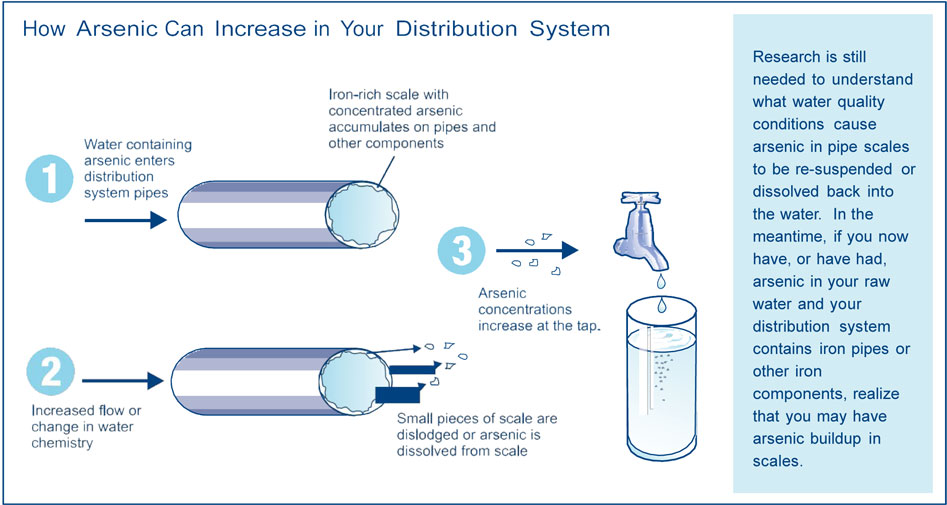 Drinking Water | CFM Home Inspections
Step 3: The Whole-House Option
Maybe you don’t just want clean drinking water—you want to shower in water that won’t slowly turn you into a science experiment. Whole-house filtration systems exist, but they’re pricey and usually require a pro to install. They’re like the VIP section of water treatment.
Honestly, for most people, a point-of-use system (under the sink) is plenty. You don’t need to bathe your dishes in an arsenic-free baptism. Just your drinking and cooking water. Your skin isn’t a straw—it won’t absorb huge amounts.
Step 4: Maintenance Matters
Okay, so you spent money on a filter. Great! Now don’t forget to change the cartridges. A clogged filter is like a clogged toilet—nobody wins. Set a reminder on your phone, or tape a note to your forehead. Whatever works.
Most systems need new filters every 6 to 12 months. If you ignore it, the arsenic might sneak back in and laugh at your efforts. Don’t let arsenic have the last laugh—be annoying and replace those parts.
Alternatives That Sound Fun But Aren’t
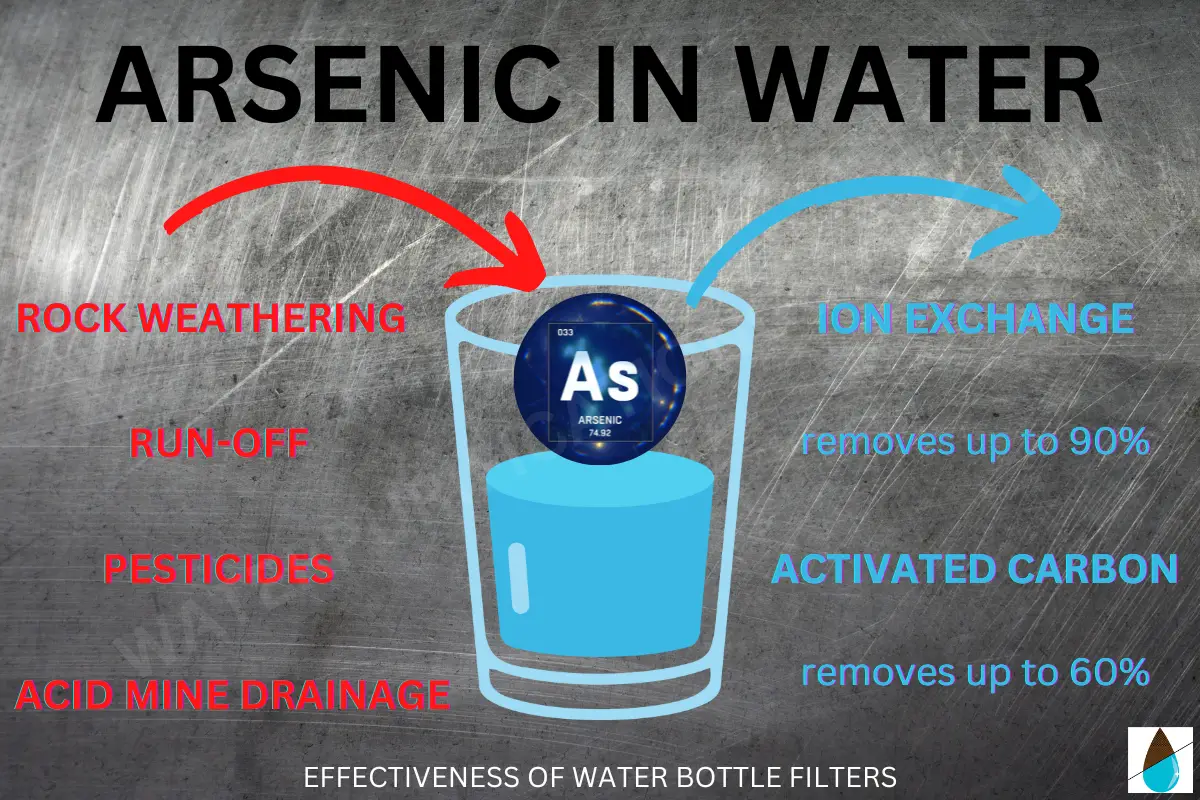
You might hear about “ion exchange” or “activated alumina.” These are fancy words for specific minerals that grab arsenic like a magnet. They work, but they’re not always DIY-friendly. I’d stick with RO or distillation unless you like reading tech manuals on a Saturday.
What about boiling? Nope, as I said, that just concentrates it. What about adding bleach? Please don’t—you’ll trade arsenic for a chemistry accident. Stick with the proven methods.
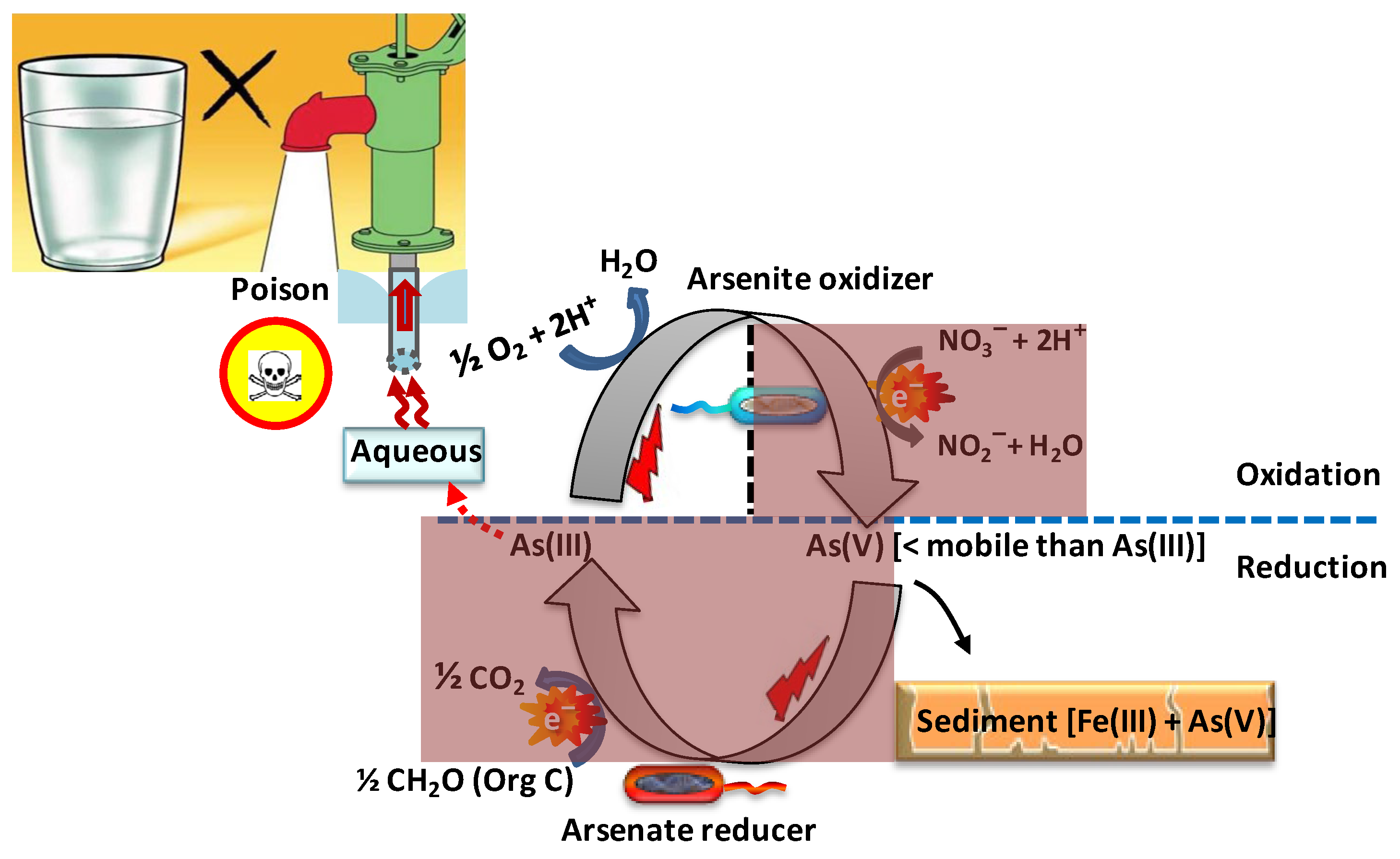 Arsenic Contamination of Groundwater | Encyclopedia MDPI
The Budget-Friendly Tip
If you can’t afford a fancy system right now, buy bottled water from a trusted source for drinking and cooking. It’s not glamorous, but it’s a Band-Aid solution. Just check the label—some bottled water is just tap water with a price tag and a marketing lie.
Or, you can install a gravity-fed ceramic filter with special media. They’re cheap and don’t need electricity. These are amazing for camping or emergencies. Just make sure the one you buy actually targets arsenic. Hint: if it looks like a cute clay pot, it probably isn’t filtering anything but vibes.
A Quick Reality Check
Arsenic in water isn’t an instant crisis—it’s a long-term health concern. You don’t need to quit your job and move to a pristine mountain. Taking one smart step—like buying a certified filter—reduces your risk by a lot. You’re not a reckless character in a horror movie; you’re the one who fixes the leaky boat before it sinks.
And hey, the fact that you’re reading this means you’re already ahead of the game. Most people ignore their water until they see something weird in the glass. You’re basically a water superhero. Go you.
Wrapping It Up With a Smile
So here’s the takeaway: test your water, get a reverse osmosis or distillation system, change the filters, and don’t overthink it. You can totally do this without a PhD in chemistry. Your water will be so pure, it’ll pretty much be a liquid hug.
Remember, you’re not just removing arsenic—you’re winning at life by making sure you and your family stay healthy. And that’s way more satisfying than any tap water tasting like a muddy puddle. Cheers to you—literally. Now go sip your clean, crisp, arsenic-free water like the boss you are.
