Where Does My Tap Water Come From

So there I was, a few months back, standing in my kitchen, staring at a glass of water like it was a mystical artifact. I’d just finished a brutal run—the kind where your lung...

So there I was, a few months back, standing in my kitchen, staring at a glass of water like it was a mystical artifact. I’d just finished a brutal run—the kind where your lungs feel like sandpaper—and I was gulping down this cold, clear liquid with the desperation of a man lost in the desert. And then it hit me: Where did this even come from? Not the glass, obviously. The water itself. It felt like a deep, slightly embarrassing question—like asking where milk comes from and expecting the answer to be “the grocery store.”
Look, I’m not proud of my ignorance. I’ve been drinking this stuff every single day for, oh, about thirty years, and I’ve never once thanked the river or the reservoir or the bewildered city employee who probably tests it for lead. So, let’s dive into the gloriously unglamorous journey of your tap water. Spoiler alert: it’s not just magic from the faucet fairy.
The Great Catchment Conspiracy
Your water’s story starts with the sky—which is remarkably rude, considering it often dumps rain on your picnic. That rain falls onto mountains, valleys, or (if you’re unlucky) a parking lot. This area is called a watershed, and it’s basically a giant, natural funnel.
Must Read
Think of it as the bathtub of the Earth. Rain and snow melt trickle down slopes, collect into streams, and eventually fill a reservoir. That reservoir? That’s your personal (but very, very communal) water bank. It’s where the city takes a giant, collective sip.
Of course, not everyone gets their water from a nice, scenic mountain lake. Some of you are drinking from a river that’s seen more barge traffic than a Vegas casino sees tourists. Others rely on groundwater—ancient, hidden lakes deep underground. Literally prehistoric raindrops from before the Internet existed. Weird, right?
Your Water’s Horrifying (But Essential) Pit Stop
Now, imagine that reservoir is a giant, messy punch bowl. It’s got leaves, dirt, fish… and some things I genuinely don’t want to imagine. This is where the city’s water treatment plant comes in—a building that looks like a cement bunker but acts like a massive, hyper-efficient Brita filter on steroids.
First, they let the big stuff settle out. Think of it like letting a muddy stew sit until the grit sinks to the bottom. Then, they add chemicals—aluminum sulfate, for example—that makes tiny particles clump together into “floc.” It sounds like a made-up word from a Dr. Seuss book, but it works.
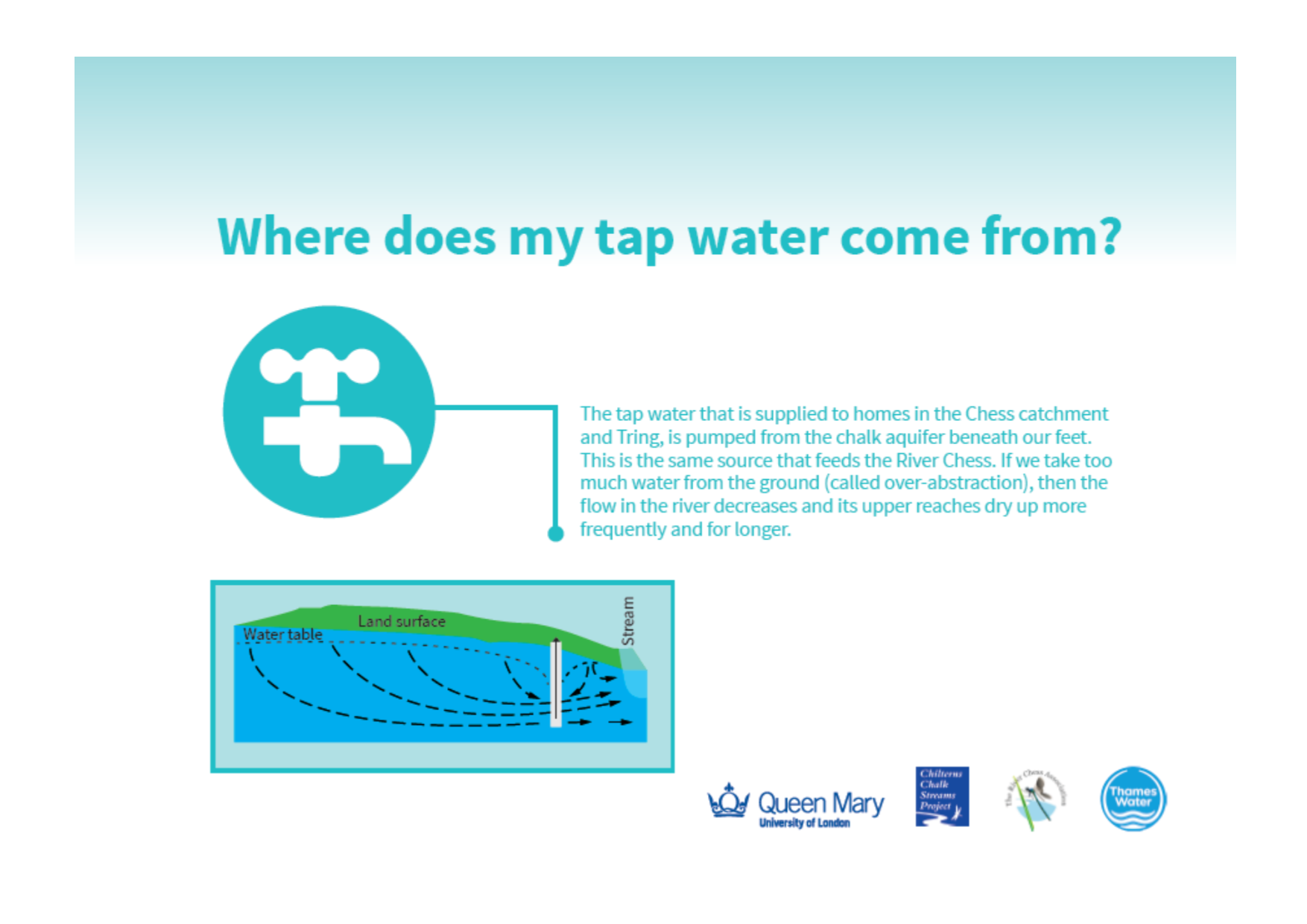 Educational Posters - Chesswatch
After that, the water is filtered through layers of sand, gravel, and charcoal. It’s like the water went through a spa day, a deep cleanse, and a clarifying rinse. And finally? Chlorine. Yes, the stuff that makes your pool smell like a locker room. It kills bacteria. You don’t want to skip this step. Trust me.
The Underground Highway System
Once the water is squeaky clean, it doesn’t just hop on a magic carpet to your sink. No, it has to travel through miles of pipes—a vast, invisible circulatory system below your streets. These pipes are ancient, some from the 1920s. They’re the unsung, rusty heroes of modern civilization.
And let’s talk about pressure. Water doesn’t just stroll into your house; it arrives with serious attitude. The utility company pumps it into water towers (those giant mushrooms on hills), which use gravity to force the water down into your pipes. That’s why you can get a satisfying blast of cold water at 6 AM. You’re welcome, gravity.
By the time it reaches your tap, that water has traveled further than you did on your last vacation. It’s been filtered, chemically treated, and pressurized. It is, statistically, the most heavily regulated beverage you will ever consume. More so than bottled water, actually. Irony alert.
 Water Poster: To Your Tap | How does water get to your tap, Water cycle
So, What’s in It (Besides Science)?
Okay, real talk: your tap water isn’t pure H2O. It’s a cocktail. You’ve got minerals like calcium and magnesium (good for your bones, bad for your kettle’s scale). You’ve got trace amounts of fluoride (added for your teeth, annoying to conspiracy theorists).
And yes, there are probably trace amounts of pharmaceuticals and herbicides. Not enough to hurt you, but enough to make you think “Huh, I wonder if my neighbor flushed their Xanax down the toilet again.” That’s the modern world, baby.
The point is: your tap water is a miracle of public health engineering. It’s the reason we don’t die of cholera every time we wash a dish. The next time you fill a glass, give a little nod to the rain, the reservoir, the grumpy pipe inspector, and that little dose of chlorine. It’s a whole ecosystem, just for your thirst.
Now drink up. And maybe, just for kicks, go look up your local water quality report. It’s surprisingly readable—and a little horrifying. You’ll never look at a glass the same way again.
