Does Water Have Nutritional Value

So, you’re standing in the grocery aisle, staring at a bottle of fancy “alkaline” water, and you wonder: Does this stuff count as a meal? Let’s be real—water isn’t going to fi...

So, you’re standing in the grocery aisle, staring at a bottle of fancy “alkaline” water, and you wonder: Does this stuff count as a meal? Let’s be real—water isn’t going to fill your belly like a pizza. But does it have nutritional value? The answer might surprise you (or at least make you feel better about chugging it).
What Even Is “Nutritional Value”?
When we say “nutrition,” we usually think of calories, vitamins, or protein—things you’d find in a banana or a steak. Water, on the other hand, is famously a zero-calorie liquid. That means it won’t give you energy (no sugar rush here, sorry).
But here’s the fun twist: water contains essential minerals that your body actually needs. Think of it as a subtle, invisible multivitamin that comes straight from the tap (or spring, or bottle). Sure, it’s not a kale smoothie, but it’s not nothing either.
Must Read
The Mineral Magic in Your Glass
Depending on where your water comes from, it can carry small amounts of calcium, magnesium, and potassium. Yeah, the same stuff you find in supplements—except you don’t have to swallow a pill the size of a horse’s hoof.
Tap water in many places even adds fluoride to help your teeth. So while you’re just trying to hydrate, you’re also giving your bones and smile a tiny boost. It’s like water is a secret helper with no drama.
But let’s be honest: you’d need to drink an Olympic swimming pool’s worth to get a full day’s worth of, say, calcium. Water is not a substitute for food, but it’s a bonus round of minerals you didn’t even know you were getting.
What About Bottled Water and “Enhanced” Stuff?
Ever see those bottles labeled “Vitamin Water” or “Electrolyte Boost”? They’re trying to trick you into thinking water is a snack. And guess what? It kind of works. Electrolytes like sodium and potassium are literally what your nerves and muscles use to function.
So yes, that sports drink has some nutritional value—but usually tons of added sugar too. Plain water? It’s the original zero-sugar, no-frills hydration hero. It won’t give you a sugar crash, and it won’t make your dentist cry.
And those “alkaline” or “mineral” waters? They do contain a few extra milligrams of minerals. But unless you’re a marathon runner or a lizard in the desert, your body doesn’t care that much. The real nutritional value of water is life itself—which is a pretty big deal.
 Benefícios e malefícios da água com gás
Water: The Unsung Nutrient
Here’s the kicker: water is the most essential “nutrient” of all. You can survive weeks without food, but only a few days without water. It helps your blood flow, your kidneys filter waste, and your brain stop thinking about pizza long enough to focus.
So even though it has zero calories, water is the star ingredient in every metabolic process. Without it, you’re basically a wilting houseplant. With it? You’re a thriving, glowing, hydrated human being.
Think of it this way: nutrition isn’t just about fuel. It’s also about transport, temperature control, and cushioning your joints. Water nails all those jobs without any effort. It’s like the quiet, reliable friend who never asks for anything but shows up every single time.
But Wait—Does That Mean I Should Drink More?
Short answer: yes, probably. Long answer: yes, probably, unless you’re already peeing every hour (in which case, you’re a hydration champion). The Institute of Medicine recommends about 3.7 liters for men and 2.7 for women per day—but that includes water from food, like soup and watermelon.
Pro tip: If your pee is lemonade-colored, you’re good. If it’s apple juice-colored, drink up. If it’s clear like water—you might be overdoing it, but hey, you’re hydrated and extra well-rinsed.
And don’t worry: you can’t overdose on minerals from plain water. Your body is a genius filter that ditches the extra stuff. So go ahead, chug guilt-free.
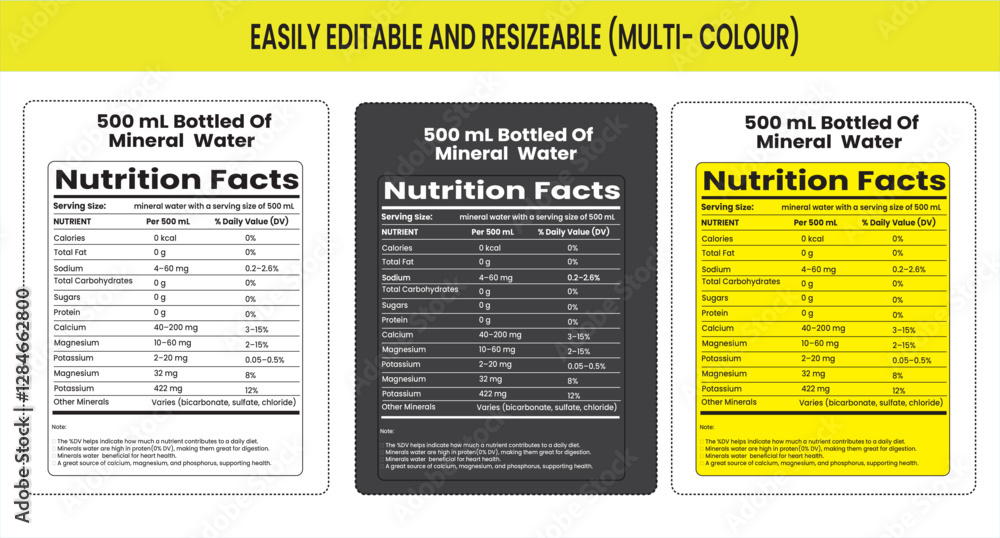 Nutrition facts, water nutrition facts, vitamin water nutrition facts
A Fun Twist: Does Sparkling Water Count?
Yes! Sparkling water is just regular water with bubbles. Those bubbles do not count as nutrition, but they do make you feel fancy. And feeling fancy is a form of mental nutrition, right? (Okay, I made that up, but it feels true.)
Just watch out for flavored sparkling waters with added sugars or artificial sweeteners. That’s where the “nutritional value” turns into a trick. Stick to the fizzy stuff that says “no calories” and “no sweeteners”—and you’re golden.
The Big Picture: Water Is Not a Meal, But It’s Everything
So, does water have nutritional value? Yes—but not in the way you think. It won’t give you a protein punch or a vitamin C blast. What it gives you is the environment for your body to use all those other nutrients. It’s the stage, the spotlight, and the backstage crew all at once.
Drink it plain, drink it cold, drink it with lemon—just drink it. And next time someone asks, “Does water have nutritional value?” you can say, “It has zero calories but infinite importance—and a tiny bit of calcium if you’re lucky.”
Uplifting Conclusion
Here’s the best part: water doesn’t judge you. It doesn’t care if you’re running a marathon or binge-watching shows while lying on the couch. It just shows up, hydrates every cell, and lets you keep going. It’s the ultimate humble hero.
So raise a glass (of plain H2O) and toast to yourself. You’re made of something like 60% water, which means you’re mostly a walking, talking, laughing glass of nutrient-free perfection. And that’s pretty amazing. Now go refill that bottle—you’ve got a life to live, and water is your sidekick. 🥤
