Why Does Water Smell Like Sulphur

You turn on the tap, expecting a crisp, clean stream, and instead you’re hit with a whiff of something that belongs in a volcanic hot spring. That unmistakable eggy, rotten sm...
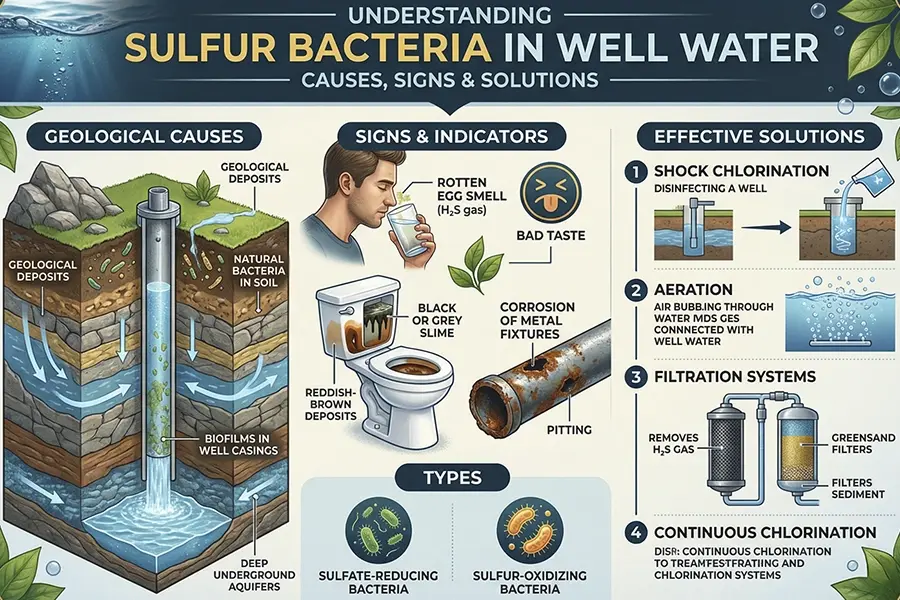
You turn on the tap, expecting a crisp, clean stream, and instead you’re hit with a whiff of something that belongs in a volcanic hot spring. That unmistakable eggy, rotten smell? It’s sulfur. Before you panic and start bottling your own artesian water, know this: it’s usually harmless, and surprisingly common.
The science is simple. Hydrogen sulfide gas is the culprit, and it loves to hide in groundwater. When it hits the air inside your pipes, that gas gets released, and your nose gets the uninvited memo. Think of it as the natural world’s prank call—startling, but not a crisis.
Where does this gas come from? Often, it’s nature doing its own thing. Deep underground, sulfur-eating bacteria break down organic matter, and as a byproduct, they burp out hydrogen sulfide. It’s essentially microbial flatulence in your plumbing, which is both gross and fascinating.
Must Read
Is It Dangerous or Just Dramatic?
Here’s the good news: for most people, a little sulfur smell isn’t a health hazard. The U.S. Environmental Protection Agency notes that it’s mostly an aesthetic issue, like a noisy neighbor. But if the smell is strong enough to make your eyes water, it might indicate a different problem, like sewage backup—call a plumber immediately.
That said, high concentrations of sulfur gas can be toxic, but we’re talking about levels you’d find in a chemical laboratory, not your kitchen sink. Your average household level is more of a curiosity than a crisis. Still, if the smell sticks around for weeks, get your water tested—peace of mind is worth it.
Fun fact: sulfur is one of the most abundant elements in the universe. It’s even found in wine (as a preservative), so you’re essentially dealing with a cosmic level of egginess. Just don’t try to toast with your tap water.
How to Kick the Sulfur Out of Your Sink
First, try the shock chlorination technique. This involves pouring bleach down your well or into your water heater to kill the sulfur bacteria. It’s like a deep-cleaning detox for your pipes—just follow safety instructions, or you’ll be smelling bleach instead of eggs.
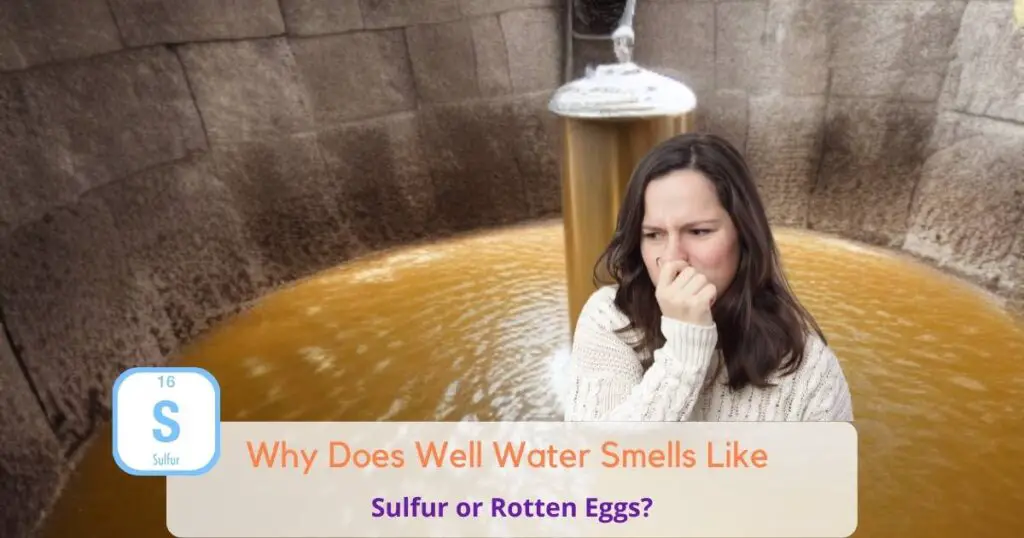 Why Well Water Smells Like Sulfur (& How to Remove It) - Home Water
If the smell only comes from hot water, the issue is likely in your water heater. The anode rod inside—made of magnesium or aluminum—can react with water to create sulfur. Replacing it with an aluminum-zinc alloy rod is a cheap fix that usually stops the stench cold.
For a permanent solution, consider installing a charcoal filter or an oxidizing system. This is the luxury option—think of it as a spa treatment for your water supply. It removes the gas before it ever reaches your glass, giving you that mountain-stream freshness without the mountain.
A Little Cultural Context
Sulfur water doesn’t just haunt your kitchen; it’s a celebrated oddity in some places. In Iceland, they bottle the stuff for tourists and call it “geothermal water.” In Baden-Baden, Germany, people pay a premium to soak in sulfur-rich thermal springs for their skin. Suddenly, your stinky tap feels kind of chic, right?
Even pop culture has a soft spot for sulfur. Remember the Game of Thrones scene where Tyrion Lannister fouls the water at King’s Landing? That was a nod to how real medieval cities would mask disease with sulfur stink. You’re just living in a historical reenactment.
If nothing else, remind yourself: you are not alone. Approximately 10-20% of private wells in the U.S. have some level of sulfur. You’re part of a smelly, underground club—which, when you think about it, is kind of hilarious.
 Sulfur in Water: Causes, Smell & How to Fix It
Practical Tips for Living with the Stink
Boiling water can intensify the sulfur smell, so don’t try to cook it away. Instead, fill a pitcher and let it sit in the fridge for an hour—the gas will dissipate on its own. It’s like giving your water a chill pill.
Avoid using sulfur water for coffee or tea unless you enjoy a hint of compost in your morning brew. The heat brings out the worst of the flavors. Stick to bottled or filtered water for your caffeine fix.
And finally, if you have guests over, don’t apologize too much. Channel your inner Icelandic host. Say, “Ah, you’re experiencing the terroir of our local geology.” It’s a conversation starter, and it makes you sound sophisticated.
The Takeaway: It’s Just Water, Being Dramatic
At the end of the day, a whiff of sulfur is a reminder that nature is never quite as sterile as we imagine. It’s alive, gassy, and occasionally a little embarrassing. Just like the rest of us. So the next time you get a noseful of egg, take a breath, pour a glass of chilled tap water, and consider it a tiny lesson in geological humor.
After all, the best way to deal with life’s stinky surprises is to laugh, fix what you can, and keep a pitcher in the fridge. Your water is fine. Your day is fine. And now you know exactly why your faucet smells like a dinosaur’s to-do list. Cheers to that.
