Does Hard Water Cause Itchy Scalp

So, picture this: I moved into a charming little apartment—old pipes, vintage vibes, you know the drill. After my first shower, my scalp felt like it had been through a tiny,...
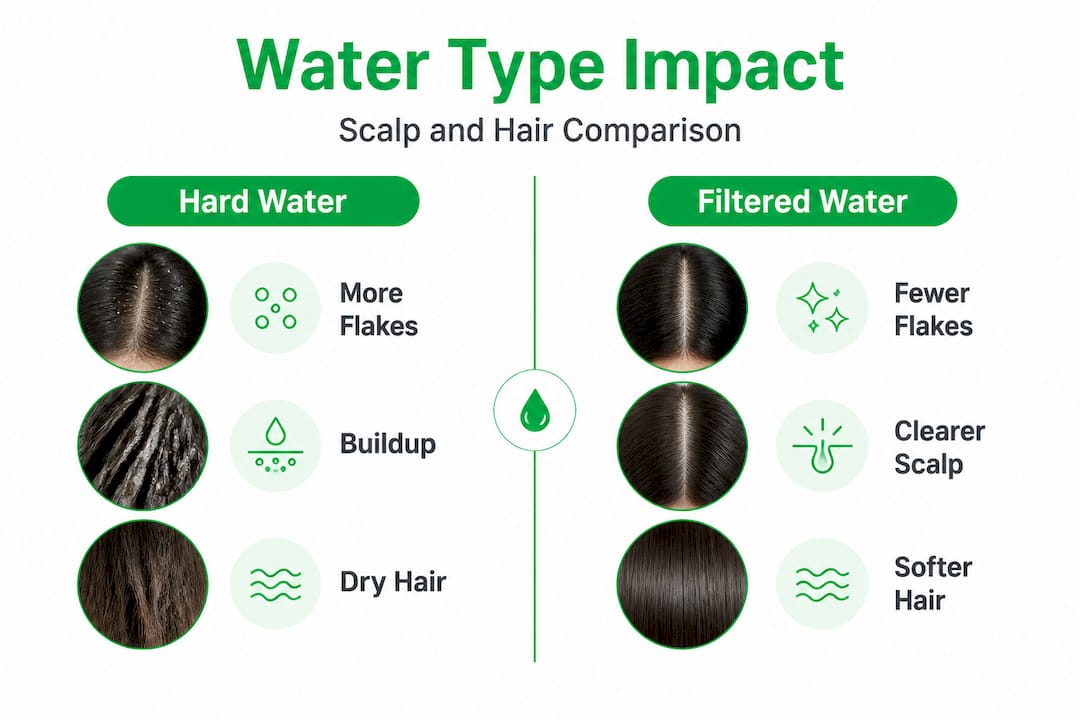
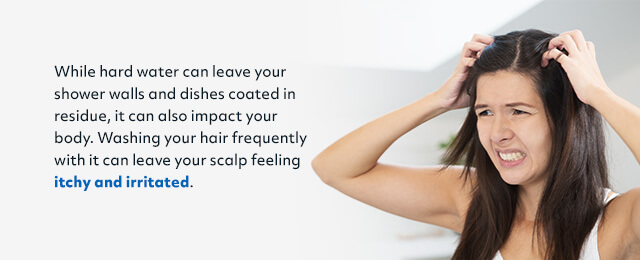
So, picture this: I moved into a charming little apartment—old pipes, vintage vibes, you know the drill. After my first shower, my scalp felt like it had been through a tiny, local uprising. It was itchy, angry, and flaking like a croissant in a tornado.
I blamed my new shampoo, the weather, even my stress levels (thanks, moving). But then, my plumber friend took one look at my showerhead and snorted. “That’s hard water, buddy,” he said, pointing at white crusty deposits. Cue my descent into a rabbit hole of mineral mysteries.
The Unseen Culprit in Your Shower
Let’s get real: hard water is just tap water with a lot of calcium and magnesium dissolved in it. Think of it as a mineral smoothie you didn’t order—and it’s not great for your hair.
Must Read
When this water hits your shampoo, it doesn’t rinse away cleanly. Instead, it forms a scummy residue that sticks to your scalp like an unwanted guest. This residue can clog hair follicles and throw off your scalp’s pH balance—hello, itchiness.
Now, I’m not saying every itch is a hard water crime scene. But if your itch gets worse after washing, or if you’re using dandruff shampoo with zero luck, minerals might be your secret enemy.
How the Mineral “Clog” Works
Here’s the science part (don’t worry, it’s quick): Soap and shampoo are designed to lift dirt and oil. But hard water minerals react with soap to create a soap scum that doesn’t dissolve—like a soapy cement on your scalp.
This scum can trap dead skin cells and bacteria. Your scalp then gets annoyed, sending out itchy signals because it feels dirty, even after a wash. It’s the universe’s ironic joke on cleanliness.
And let’s not forget: the same minerals can leave your hair feeling brittle and dry. So your scalp is itchy and your hair looks like straw? That’s a hard water double whammy.
Signs You Might Be a Hard Water Victim
Okay, raise your hand if this sounds familiar: you wash your hair, it feels clean, but within hours it’s tacky or waxy. Or maybe your colored hair fades way faster than promised. Those are classic clues.
Another telltale sign? White flakes that aren’t dandruff—they’re calcium deposits. You might even see a white film on your shower walls or glass door. That shizzle is on your head too (sorry, not sorry).
 How to Tell if You Have Soft or Hard Water - Multipure
And here’s the kicker: hard water can make your scalp more sensitive to products you once tolerated. Suddenly, your favorite shampoo feels like a chemical peel. It’s not the product—it’s the water working against it.
What Can You Actually Do?
Before you start carting bottled water into your shower (yes, some people do that), try a chelating shampoo first. It’s designed to grab onto minerals and wash them away. Use it once a week—it’s strong stuff.
Also, install a cheap showerhead filter—they’re like tiny bouncers for calcium and magnesium. I got one for $30, and my itch levels dropped by half in two weeks. Not kidding.
Or, finish with a diluted apple cider vinegar rinse (2 tablespoons per cup of water). It helps dissolve residue and rebalance your scalp’s pH. Just don’t skip the smell—it fades, I promise.
The “But I Moved and My Scalp Is Fine” Paradox
Here’s where it gets ironic: you might move to a new city and your scalp magically calms down. That’s because your new water is softer—less mineral, less grudge. It’s not a miracle, it’s chemistry.
Same goes for vacations. Ever notice your hair behaves perfectly when you’re at a hotel? Chances are, that hotel has water softeners. Your home water system is just a scaly mineral factory in comparison.
And don’t get me started on the pink tax: expensive anti-itch shampoos that ignore the water quality issue. It’s like throwing cash at a broken pipe—sure, it feels good, but the real fix is upstream.
 Hard Water Effects on Hair and Scalp: Signs and Fixes in 2026
Quick Side-Rant: Why Your Scalp Deserves Better
Look, your scalp is basically skin—it deserves the same care as your face. You wouldn’t wash your face with mineral-heavy water and expect it to glow, right? So why do we let our scalps suffer in silence?
Also, itchy scalp can lead to scratching, which leads to inflammation and even hair thinning. That’s a chain reaction nobody wants. So, treat your water like a skincare ingredient—because it is.
If you’re still reading, you’re probably wondering if you should test your water. Do it! You can buy a simple water hardness kit at any hardware store. Or just look up your local water report online—it’s free and mildly fascinating.
Final Honest Take
Does hard water cause an itchy scalp? Yes, for a lot of people. But it’s usually a contributor, not the sole villain. Think of it as the bad roommate that makes a small problem way worse.
The good news? You can fix it without moving houses or buying a $500 system. A filter, a clarifying shampoo, and a bit of vinegar love can turn your shower into a scalp-friendly sanctuary.
Your mileage may vary, but mine went from scratching during Zoom calls to not thinking about my scalp at all. And honestly, that’s the best kind of freedom.
So next time your head starts itching, don’t blame your conditioner first. Blame the hard water—it’s the most underrated troublemaker in your bathroom. Now, go check that showerhead. You’re welcome.
