Does Purified Water Have Chlorine

So, you’re standing in the grocery aisle, staring at a bottle of purified water. You’ve got your filter at home, maybe a fancy pitcher on the counter. The big question bubbles...

So, you’re standing in the grocery aisle, staring at a bottle of purified water. You’ve got your filter at home, maybe a fancy pitcher on the counter. The big question bubbles up: does this stuff still have chlorine in it? Let’s dive into this together, like a chilled-out science chat over iced tea.
First, a quick reality check on tap water
Your regular tap water is basically a cocktail of minerals and, yes, a splash of chlorine. That chlorine isn’t there to be mean—it’s a tiny hero that kills bacteria and viruses on its journey to your glass. Think of it like a security guard for your health, but one that leaves a slightly chemical aftertaste.
Without chlorine, your water could turn into a funky science experiment in the pipes. So, while it’s not exactly fancy mineral water, it’s doing a dirty job so you don’t get sick. But what happens when we try to “purify” it?
Must Read
The big reveal: purified water and chlorine
Here’s the cool part: most purified water has zero chlorine by the time you drink it. The whole point of purification is to strip away everything that isn’t H2O—including chemicals, minerals, and that swimming pool vibe. It’s like sending your water through a spa detox.
Methods like reverse osmosis or distillation are the heavy lifters here. They push water through super-fine membranes or boil it into steam, leaving chlorine and other bits behind. Ever tasted a cucumber slice in water? That’s how clean purified water feels—blank, crisp, and neutral.
But wait, what about those “added minerals” on labels?
You might grab a bottle that says “purified water” but then lists calcium or magnesium. That’s not chlorine sneaking in—it’s a reboot. Some companies strip everything out, then add a pinch of minerals for taste. It’s like taking a blank canvas and painting a gentle flavor back in.
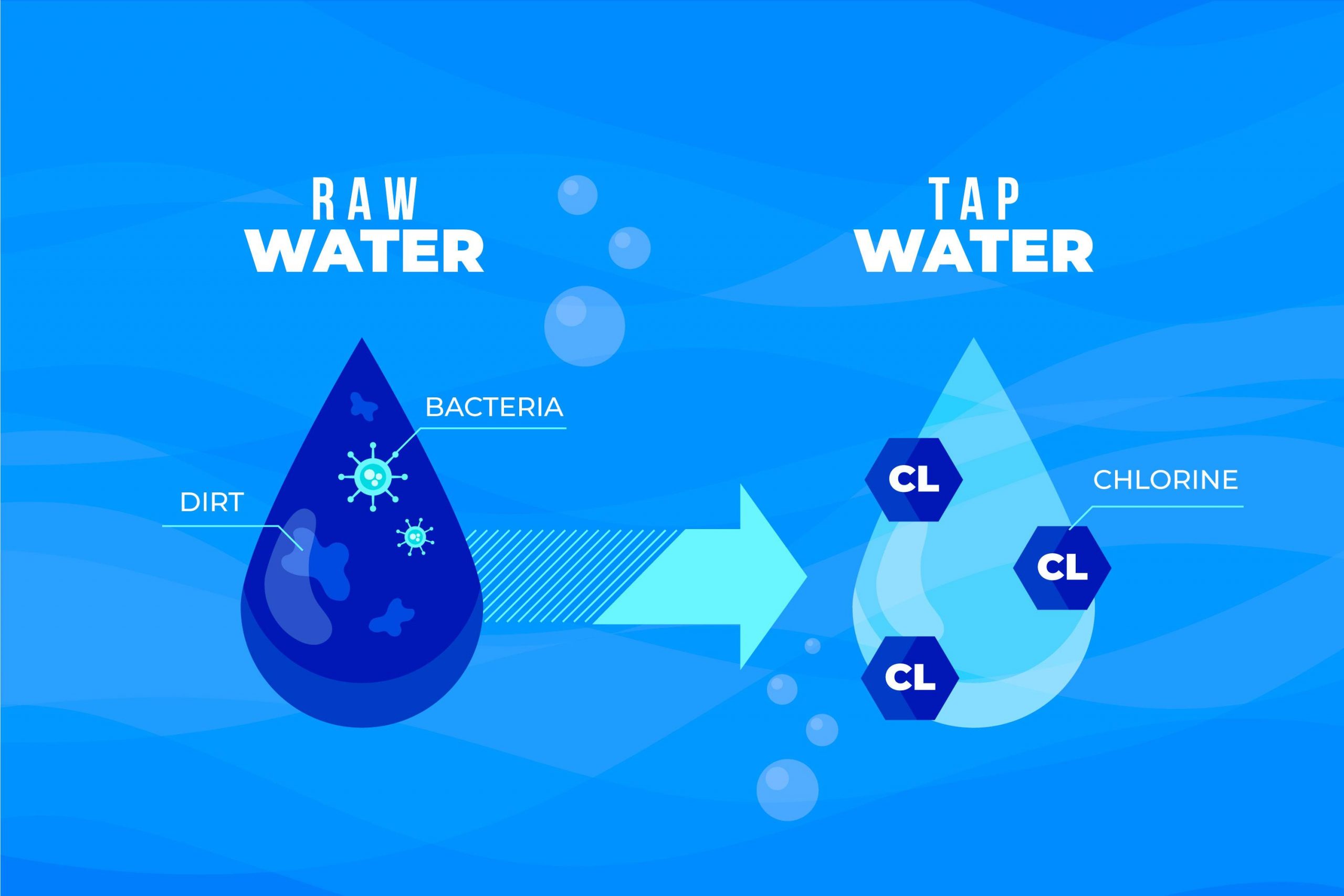 Why Do We Use Chlorine In Drinking Water at Theresa Ferrell blog
Chlorine, though? It’s usually the first thing to go. If you’re paranoid, check the label—purified water often says “chlorine removed” or “ozone treated.” Ozone is another gas that disinfects but vanishes quickly, leaving no trace. So, no chemical hangover in your cup.
Fun comparison time: water vs. a shower
Think of tap water like a regular shower—gets you clean, but you smell the chlorine afterward. Purified water is like that fancy rain shower at a hotel: soft, silent, and pure. You don’t want any chemical reminders when you’re trying to hydrate or make your morning coffee.
If you’re using a home filter, like a Brita or a reverse osmosis system, you’re the boss of that chlorine removal. Most carbon filters grab chlorine like a magnet picking up paperclips. After a few seconds, your water tastes like mountain spring, not a public pool. Cool, right?
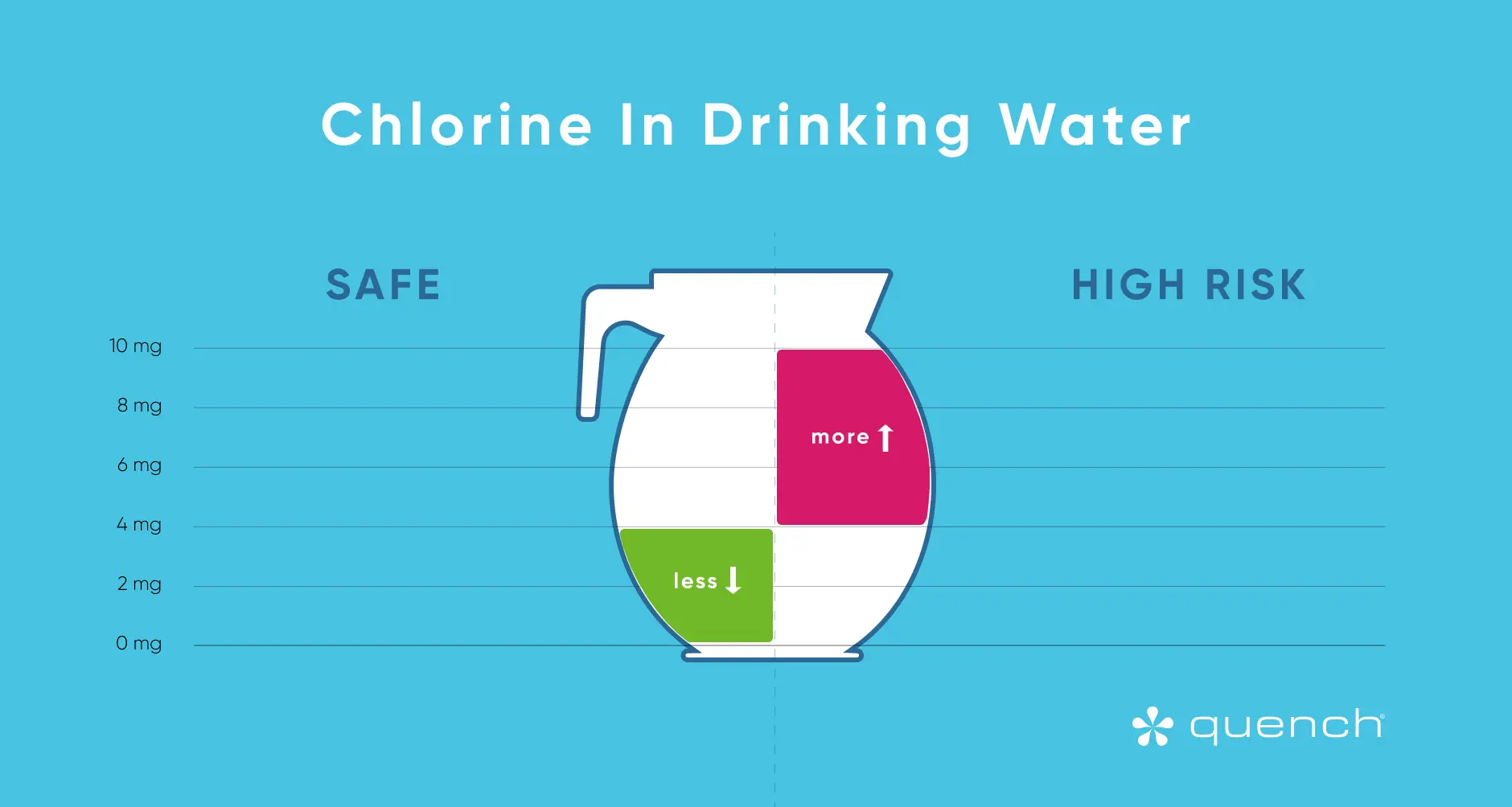 Chlorine Water
Why does this even matter? Two words: taste and peace of mind
Chlorine isn’t harmful in tap water levels—it’s regulated and safe. But if you’re sensitive to the flavor (oh, you know that “pool water” zip), purified water is your best friend. It’s also great for houseplants, fish tanks, or brewing tea without weird notes.
Here’s a curious twist: some people worry that purified water is too clean, missing minerals. That’s a whole other rabbit hole, but for now, just know that chlorine isn’t the villain or the hero here. It’s just a guest that leaves when you purify. So, next time you sip that glass of clear, crisp, purified water, smile—you’re drinking the essence of H2O, free of its old security guard.
The bottom line (and why it’s interesting)
To answer your question directly: no, purified water does not have chlorine—unless it’s been re-added for some weird reason (unlikely). The purification process kicks chlorine to the curb. It’s one of the first things that gets filtered out because it’s volatile and easy to remove.
Isn’t it amazing how water can go from a municipal pipeline with a bit of bleach to a clean slate in your glass? That’s the magic of science and a little bit of curiosity. So, hydrate up, ask more questions, and keep being fascinated by the simple stuff. Cheers!
