How Does A Freezer Ice Maker Work

So, picture this: it’s a sweltering summer evening, and I’m hosting a small get-together. I reach into the freezer, smugly confident, only to find a lonely, frostbitten ice cu...
So, picture this: it’s a sweltering summer evening, and I’m hosting a small get-together. I reach into the freezer, smugly confident, only to find a lonely, frostbitten ice cube stuck to the tray. I mutter a few choice words, slam the door, and start praying my soda doesn’t go warm. That’s when I looked at my fancy new fridge with its built-in ice maker—where’s the magic, I wondered? How does this thing actually churn out a never-ending supply of perfect cubes without me lifting a finger? Let’s dig into the surprisingly clever (and slightly ridiculous) mechanics behind it.
The Secret Sauce: Water, Molds, and a Little Bit of Heat
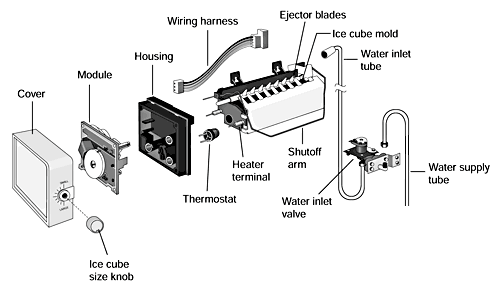
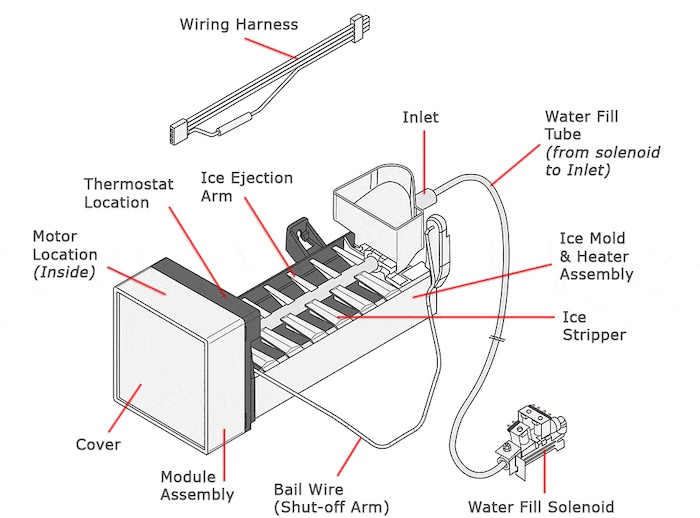
Your freezer ice maker isn’t just a tray that gets cold; it’s a tiny, automated factory living in your kitchen. It all starts with a simple plastic mold that looks like a little ice cube tray—except this one has a mind of its own. A water valve opens, filling the mold with just enough water to make a batch of cubes. No human pouring required—thank goodness, because who has time for that?
Once the water is in, the mold sits in the freezer air, which is already below freezing. But here’s the kicker: the mold itself is often made of metal, like aluminum, because metal conducts cold way faster than plastic. Science hack! Within about 15 minutes, your water turns into solid ice, thanks to the freezer’s relentless cold.
Must Read
The Twist: How Does the Ice Get Out?
Now, that’s the easy part—freezing water is trivial. The real magic is how the ice escapes the mold without you elbowing it with a butter knife. After the ice is solid, a heating element inside the mold activates for a few seconds. It gently warms the mold just enough to loosen the ice’s grip. Yes, you read that right: the maker uses heat to make ice. Ironic, isn’t it?
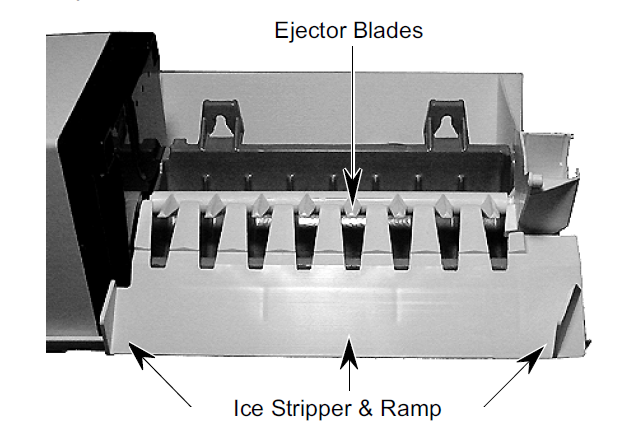
Once loosened, a small motor turns a gear, and the mold flips over—flip-flop!—releasing the cubes into a storage bin below. A plastic arm or a little rake ensures every cube falls out, because nobody wants a sticky cube stuck in the mold. Then the mold rights itself, the water valve opens again, and the whole cycle repeats like a diligent little robot.
 How Does a Refrigerator Ice Maker Work? | A Practical Explanation from
Why the Ice Looks So Perfect (Usually)
Ever noticed how freezer ice has a little dome on top, not a flat surface like your homemade trays? That’s because water expands as it freezes, and the mold is designed to let the ice push upward. It’s like the ice is puffing out its chest. Also, most makers spray water into the mold from the bottom up, which minimizes air bubbles, so you get crystal-clear cubes (or at least less cloudy than my tap-water disaster).
Of course, your ice maker has a sensor that tracks the water level. If the bin is full—say, you’re preparing for a party—the ice maker stops producing. It’s not lazy; it’s just smart enough to avoid an icy avalanche. And if the door is left open too long, it’ll shut down to prevent a frosty mess. Respect the sensor.
Common Glitches That Drive You Bonkers
Now, for the real talk: this system is not flawless. If the water pressure is too low, the valve won’t fill the mold properly, and you get half-frozen slush cubes that stick together. Or worse, the heating element can fail, leaving your ice cubes prison-escaped in the mold forever. You’ll open the freezer and find a solid block of ice that looks like a modern art sculpture. Another classic: the ice maker gets jammed when cubes fall weirdly, creating a pile-up that requires you to tweezer them out while cursing modern convenience.
 How To Fix Samsung Bottom Freezer Handle at Megan Jackson blog
And let’s not forget the ice maker ghost—when it decides to churn out cubes in the middle of the night, making a loud thunk-thunk noise that sounds like a tiny construction worker. Why? Because it knows you’re sleeping. But hey, that’s the price of having on-demand cold drinks.
The Final Scoop: Should You Trust It?
So, the next time you grab a handful of perfect cubes from your freezer’s built-in dispenser, remember: it’s a miniature marvel of timing, heat, and cold working in harmony. It’s basically a Rube Goldberg machine designed to serve your iced tea. And you don’t even have to rinse the mold.
Sure, it might glitch, jam, or wake you up at 3 a.m., but it’s still way better than me playing ice-starved SpongeBob with a plastic tray. Now go pour yourself a drink—your ice maker is ready for its next shift.
