How Much Chlorine Is In Tap Water

Picture this: you’re standing in your kitchen, filling a glass from the tap. You take a sip, and bam—that faint, chemical taste hits you. It’s like the water is whispering, “H...
Picture this: you’re standing in your kitchen, filling a glass from the tap. You take a sip, and bam—that faint, chemical taste hits you. It’s like the water is whispering, “Hey, I’m not just H20.”
And it’s right. That taste is chlorine, and it’s there for a reason. But it also makes you wonder—how much is actually in there? Is my morning glass more pool party than hydration station?
The Short, Slightly Shocking Answer
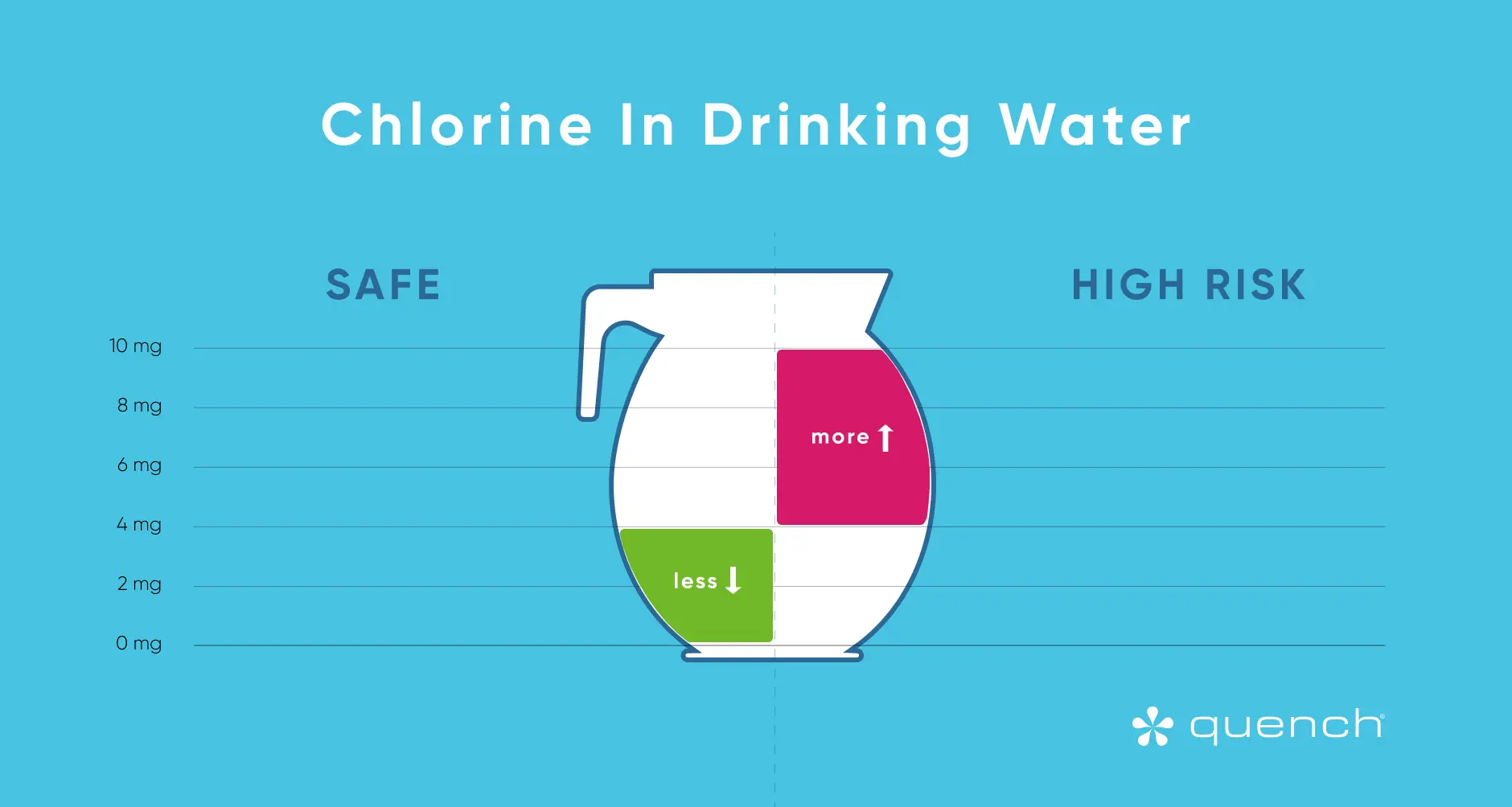
Here’s the quick scoop: the amount of chlorine in tap water is tiny—usually between 0.5 and 4 parts per million (ppm). That’s like one drop of chlorine in a thousand drops of water.
Must Read
In the U.S., the Environmental Protection Agency (EPA) says the max is 4 ppm. Anything higher? That’s a no-go for safety. Most towns shoot for lower than 2 ppm, because nobody wants to feel like they’re showering in bleach.
Compare that to your average swimming pool, which sits around 1 to 3 ppm. So yes, your tap water can have as much chlorine as a pool—but usually less. Don’t you love that mental image?
Why Is It There in the First Place? (Spoiler: It’s Not to Make You Gag)
Chlorine’s job is to kill bacteria, viruses, and parasites that try to hitch a ride from the treatment plant to your faucet. Think of it as the bouncer at the water club—it stops the nasty stuff from crashing the party.
Without it, you’d risk things like cholera or typhoid. So as much as you might hate the taste, thank chlorine for not dying of dysentery on your couch. It’s a small price to pay for civilization.
But here’s the kicker: chlorine reacts with organic matter in the water (think dead leaves, dirt) to create byproducts called trihalomethanes. These are the real villains—linked to health risks in high amounts. But at the levels in your tap? The EPA says it’s safe.
What About That “Chlorine Smell” in the Morning?
Ever notice that the water smells stronger when you first run the tap? That’s because chlorine gas escapes from standing water in the pipes overnight. It’s not more chlorine—it’s just fresher fumes.
 Chlorine in Tap Water Explained—And Why You Need a Filter – Earths Water
Let it run for 10 seconds, and the smell fades. Or stick a pitcher in the fridge for an hour—the chlorine evaporates, and the taste mellows out. Boom: designer water for free.
Some people use a carbon filter pitcher (like Brita). It strips out the chlorine and the byproducts. But honestly, if you’re healthy and not downing gallons like a marathon runner, it’s not a crisis.
Is It Safe to Drink Every Day? Let’s Get Real
Short answer: yes, for most people. Long answer: the chlorine level is so low that your body handles it fine. Your liver processes it like any other chemical, and it’s been used since the 1900s.
But if you’ve got a compromised immune system, or you’re pregnant, you might want to check your local water report. You can find it online—search “city name water quality report.” It’s a thrill ride of numbers.
For the rest of us, the risk from chlorine is way smaller than the risk from untreated water. So relax. Your tap is not a toxic wasteland—it’s a miracle of public health with a bit of a chemical tang.
The Irony of “Pure” Water
Here’s the funny part: people spend big bucks on “purified” or “alkaline” water. But many of those fancy bottles are just tap water that’s been filtered. They’re paying for something you can get by letting your tap sit on the counter.
 How Much Chlorine Should Be Added to a Storage Tank to Kill Bacteria?
And the “chlorine taste” you hate? It’s actually a sign that your water is protected. When you travel abroad and don’t trust the tap, you’ll miss that hint of chlorine. Trust me on this—I’ve been there, and I’ve suffered.
So the next time you grimace at that chemical zing, take a deep breath. It’s the flavor of safety, served cold. Or room temperature, if you’re a monster.
How to Check the Chlorine Level in Your Own Water
You can buy a simple test kit at a hardware store or online. Drop the tablet in a water sample, and it changes color. Blue means low, yellow means high. It’s like a mood ring for your faucet.
Most people find their water sits at 1-2 ppm—perfectly fine. If yours is higher than 4 ppm? Call your water company and start boiling water until they fix it. But that’s rare.
Or just ask a neighbor. They’ll likely say, “I don’t know, but it tastes weird sometimes.” And you’ll share a knowing laugh. Then you’ll both go back to drinking it anyway, because that’s life in the modern world.
Final Thought (Without the Lecture)
Chlorine in tap water is like that one friend who’s a bit too loud but keeps everyone safe. Annoying, essential, and worth tolerating.
So go ahead, fill your glass. Sniff it if you want. Then drink up. Your kidneys will sort it out, and you’ll be fine. Cheers to low-level disinfectants.
