How To Put Salt In Water Softener

So picture this: it’s a rainy Tuesday, and I’m standing in my laundry room, staring at a blinking red light on my water softener like it’s a spaceship console. My wife yells f...
So picture this: it’s a rainy Tuesday, and I’m standing in my laundry room, staring at a blinking red light on my water softener like it’s a spaceship console. My wife yells from the kitchen, “Did you even check the salt level?” I hadn’t. And let’s be honest—most of us ignore that thing until our water starts tasting like a rusty penny. That’s when I learned: ignoring the salt is a recipe for hard-water misery.
But here’s the kicker: adding salt is ridiculously easy. You don’t need a plumbing degree or a secret handshake. You just need a bag of salt, a few minutes, and zero fear of getting your hands a little dusty. Trust me, if I can do it while half-awake and clutching my coffee, you can too.
First, grab the right salt—no, not the table stuff
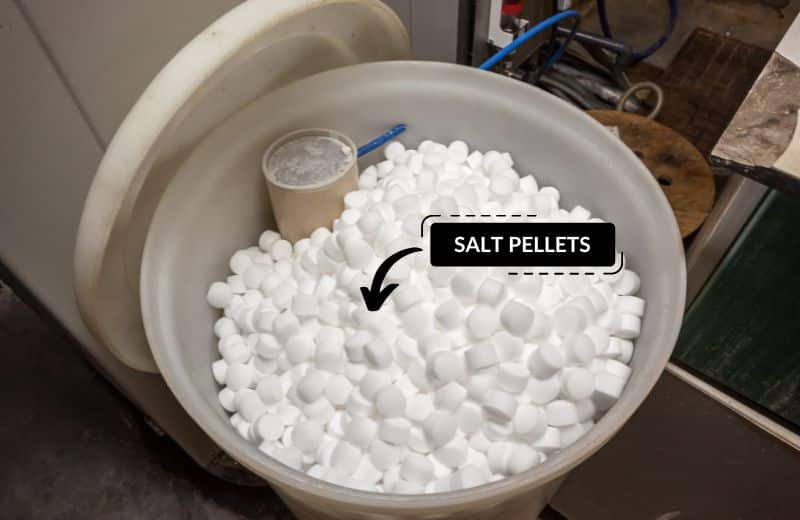
Walk into any hardware store and you’ll see a wall of salt bags, each one looking suspiciously similar. Do not grab the cheapest one without reading the label. You need water softener salt, usually sold in 40 or 50-pound bags. The two main types are solar salt (crystals from evaporated seawater) and evaporated salt (pellets that dissolve slowly). For most modern softeners, pellets are the reliable, no-fuss choice.
Must Read
Side note: if you use rock salt, you’re basically inviting mud into your brine tank. Rock salt has insoluble dirt that clogs everything. Don’t be that person—your softener will hate you.
Locate the brine tank and open it like you own the place
Your water softener is usually a two-tank system: one tall cylinder for resin, and a shorter, wider tank for salt. That shorter one? That’s your brine tank—the salt’s home base. Lift the lid. If it’s stuck, give it a gentle wiggle; no need to Hulk-smash it.
Once it’s open, look inside. If the salt looks like a solid, crusty block of ice, don’t panic. That’s a “salt bridge”—a hard crust that forms when salt gets damp and then dries. You’ll need to break it up with a long handle (a broomstick works, but wash it first). Otherwise, the salt can’t dissolve properly.
The actual pour — yes, it’s that simple
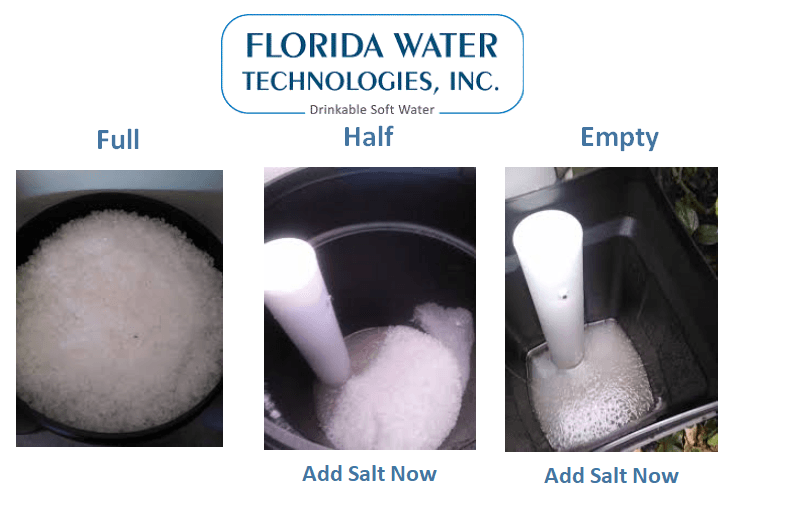
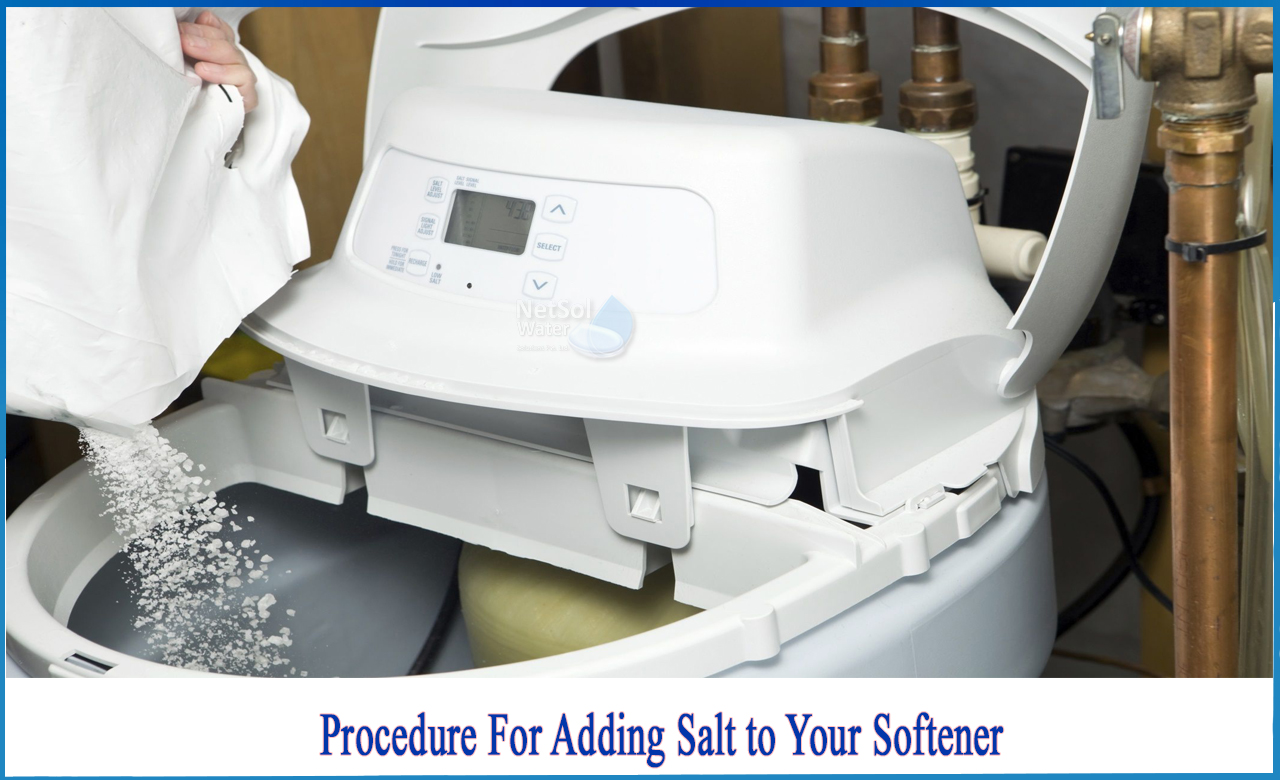
Take your bag of salt, cut it open carefully (unless you enjoy tiny salt avalanches on your floor), and pour it into the brine tank. Fill it until the salt level is about halfway to three-quarters full. Don’t overfill—leave a few inches of empty space at the top so the lid fits without a struggle.
 How to Install a Water Softener DIY (Step-by-Step Guide)
Here’s the trick most people miss: don’t mix different salt types in the same tank. If you used pellets last time, stick with pellets. Mixing solar, rock, and pellet salt can create sludge that gunks up your system. And no one wants to explain that to a repair guy.
What about the water in the tank? Should you drain it?
Short answer: nope. You’ll always see a little water at the bottom of the brine tank—that’s normal. It’s there to dissolve the salt and make brine. If the water looks dirty or smells funky, maybe clean the tank once a year. But for routine refills, just pour dry salt on top of the existing water and walk away.
Also, let’s talk timing. Always add salt when the tank is low, not overflowing with old salt blocks. A good rule of thumb: if you see hard water spots on your dishes or feel soap scum on your skin, it’s already too late—your salt is probably gone.
Reset the system if it’s being dramatic
Some softeners have a “salt level” sensor that shows a red light when empty. After you add salt, manually reset the sensor (check your manual—usually a button press or a reconnect). Don’t expect magic; the sensor might take a few hours to register the new salt. That’s fine. Just let it do its thing.
 How to add salt to the water softener
Pro tip: if your water still tastes hard after a day, run a manual regeneration cycle. Look for a “regen” button on the control panel. This forces the softener to flush and recharge. It’s like hitting the reset button on a grumpy computer.
When to call in the big guns
If you’ve added salt, reset the sensor, and your water is still hard as a rock, you might have a resin bed issue—the media that actually removes hardness. That’s more than a salt problem. Or maybe the brine line is clogged with salt mush. In that case, call a pro. But 95% of the time, it’s just “salt low, add more, done.”
I once spent an hour Googling “water softener loud noises” only to realize I had left the lid off the brine tank. The machine was sucking air like a bad straw. A quick lid snap fixed everything. So yes, start with the stupidest possible cause.
One last thing: buy salt in bulk if you can. A 50-pound bag costs around $5-8 at a hardware store. Waiting until your shower turns into a chalky disaster and then making a midnight salt run? Not a fun look. Keep two bags in your garage. Your future self will thank you.
And next time you’re in the laundry room, just give that softener a pat and a smile. You’ve got this. The hard water doesn’t stand a chance.
