How To Remove Coliform From Water

You know that slightly funky taste your tap water gets sometimes? Or the way your stomach does a little flip after you’ve gulped down a glass from a friend’s well? Chances are...
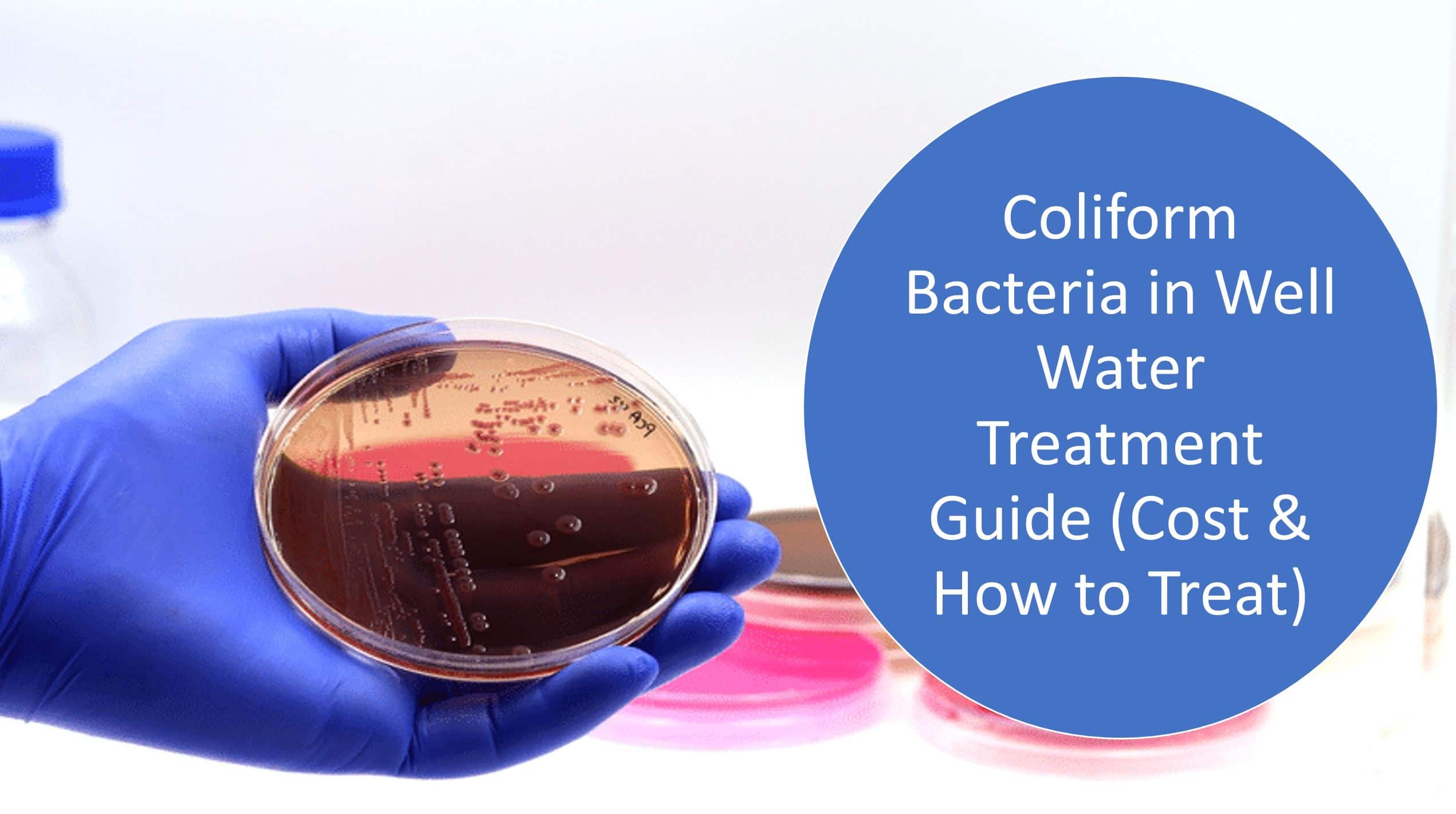
You know that slightly funky taste your tap water gets sometimes? Or the way your stomach does a little flip after you’ve gulped down a glass from a friend’s well? Chances are, you’ve met coliform bacteria. It’s not a villain in a horror movie, but it sure can play the part of an unwanted houseguest.
Coliform is a group of bacteria that live in the soil, on plants, and in the intestines of warm-blooded creatures. Think of them as the canary in the coal mine for your water supply. If they show up in a test, it’s a friendly (okay, not so friendly) warning that something else—like E. coli or other nasties—might be crashing the party, too.
So, why should you care? Because nobody wants a surprise gastrointestinal tour when they’re just trying to make their morning coffee. Caring about coliform is really caring about your family’s health—and avoiding that awful, urgent run to the bathroom.
Must Read
The Boil Order: Your Emergency Brake
Imagine you’re driving and a red light flashes. That’s a positive coliform test. Your first, fastest, and most reliable move is to boil your water. Bring it to a rolling, dancing boil for one full minute (three if you’re above 6,500 feet—science cares about altitude!).
Boiling kills coliform dead. It’s like a hot, steamy superhero that shows up instantly. Use boiled water for drinking, brushing teeth, washing dishes you eat off of, and even washing fruits and veggies. Your kettle becomes your best friend for a few days.
But boiling isn’t a permanent fix. That’s like putting a Band-Aid on a leaky pipe. You need to find the source of the bacteria, and that’s where the real detective work begins.
Find the Leak: Check Your Well
If you own a private well, coliform often sneaks in through tiny cracks. A well cap that’s loose, a damaged casing, or even a missing sanitary seal can let in surface water. It’s like leaving your back door unlocked during a rainstorm—everything muddy can wander in.
Grab a flashlight and look at your well head. Is it sloped away from the house so water runs off? Is the cap tightly sealed? A simple fix like replacing a cracked well cap or extending the casing above ground level can solve the problem for good. No chemistry degree needed—just a trip to the hardware store.
If your well is old or shallow, it might just be buried too shallow to be safe. A professional well inspection can feel expensive, but it’s cheaper than a hospital visit or a week of stomach cramps. Plus, peace of mind is priceless.
 Water Filtration & Purification | Toronto | Quinn Water Systems
Chlorinate the System: The Big Clean
Once you’ve fixed any physical entry points, it’s time for a “shock” chlorination. This is like giving your water system a deep, bubble-bath scrub. You pour a strong bleach solution (unscented, non-splashless household bleach) directly into the well, then run all your taps until you smell chlorine.
Let it sit for 12 to 24 hours—no drinking, no showering, no washing. Then flush every tap until the chlorine smell vanishes. This kills bacteria growing on the inside of your pipes and well walls. It’s messy, yes, but it works like a charm.
After chlorination, wait a week and retest your water. If the coliform is gone, you’re a hero! If it’s back, you probably still have a crack or a damaged pipe letting in dirty water from the outside. Time to call a well pro.
Install a Permanent Filter (for the long haul)
Some people live in areas where coliform is a recurring headache—like a neighbor’s dog that keeps digging in your yard. For these folks, a disinfectant system is the way to go. Ultraviolet (UV) light systems are incredibly popular.
UV light zaps bacteria as water passes through a tube. It’s non-chemical, doesn’t change the taste, and uses about as much electricity as a lightbulb. Imagine a tanning bed for your water—but only for the germs, not you.
You can also use a reverse osmosis (RO) system under your sink, but that’s slower and more expensive. For a whole-house solution, UV plus a sediment filter is the gold standard. It’s like installing a bouncer at the door of your home’s water supply.
 Water Filtration System To Remove Coliform Bacteria at Sharon Soliz blog
Don't Forget the Cistern or Storage Tank
If you collect rainwater or use a storage tank, coliform love sitting in warm, sunlit water. That tank is basically a five-star hotel for bacteria if you don’t clean it. At least once a year, scrub the walls with a mild bleach solution and rinse thoroughly.
Cover the tank tightly. Sunlight feeds algae, and algae feed bacteria. A dark, well-ventilated, and screened tank keeps coliform from booking a room. And please, check for dead leaves or insects floating on top—they’re not just gross; they’re bacterial couriers.
Remember, clean water isn’t about being a germophobe. It’s about being kind to your future self. The self that doesn’t have to cancel plans because of a tummy ache. The self that makes iced tea without second-guessing the ice.
When in Doubt, Test It Out
You can’t see, taste, or smell coliform. It’s the silent squatter. That means the only way to know if your efforts worked is to test your water. Local health departments or certified labs will sell you a kit for about $20–$50. It’s cheap for the peace of a worry-free glass of water.
Test after any heavy rain, after repairs, and at least once a year. If you have a baby, elderly person, or anyone with a weakened immune system at home, make it a twice-yearly ritual. Think of it as an oil change for your health.
And honestly? Most coliform problems are fixable with a little elbow grease and some bleach. You don’t need to be a scientist or a plumber. You just need to care enough to look, test, and scrub.
So next time you fill your glass, give it a little nod of gratitude. You’ve got the tools, the tricks, and the know-how to keep your water safe. And that’s something worth toasting—with clean, coliform-free water, of course.
