Why Is High Nitrate In Water Bad

So, you’ve tested your well water, and the results are in: high nitrates. Congratulations? Not really. You’ve basically just discovered your drinking water is hosting a nitrog...
So, you’ve tested your well water, and the results are in: high nitrates. Congratulations? Not really. You’ve basically just discovered your drinking water is hosting a nitrogen-based party, and you weren’t invited. Let’s break down why this isn’t just a chemistry problem, but a full-on buzzkill for your health and your plumbing.
First, What Exactly Are Nitrates?
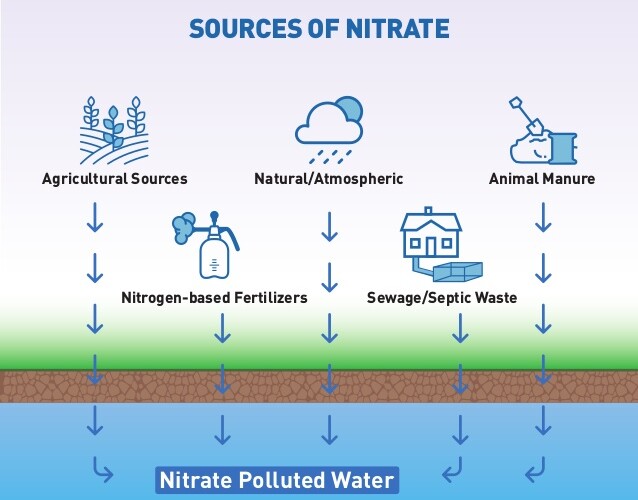
Imagine if fertilizer and salt had a baby that liked to swim. That’s nitrate. It’s a nitrogen-oxygen compound that plants adore, but your body? Not so much. It sneaks into water mostly from agricultural runoff (think cow patties and synthetic plant food) and leaky septic tanks. Basically, your water might have a secret history with manure—and nobody wants that as a party story.
The Sneaky Health Hit: Blue Baby Syndrome
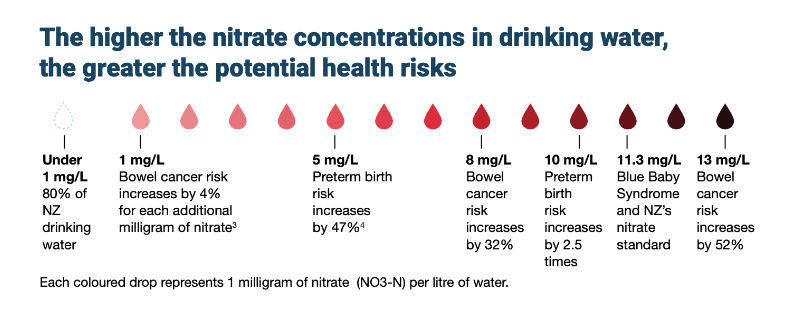
Here’s the scariest headline: high nitrates can turn your blood into a lousy oxygen delivery service. In babies—especially those under six months—nitrates convert to nitrites, which then muck with hemoglobin. This is called “Blue Baby Syndrome,” and it’s as terrifying as it sounds: lips turn blue, breathing gets shallow, and the baby essentially suffocates from the inside. Yes, your water can literally steal your baby’s breath. For the rest of us, it’s less dramatic but still grim—it’s linked to thyroid issues, cancer risks, and metabolic chaos.
Must Read
Think of it like this: your red blood cells are delivery trucks. Nitrates sneak into the cab, tie up the driver, and then lie to your organs about oxygen. “Sorry, no shipments today.” Great. Now your cells are holding a protest because they’re out of breath.
But Wait, There’s More: The Eternal Headache
Even if you’re not a blue-lipped infant, high nitrates can give you a permanent headache that feels like homework. Your body converts nitrates to nitric oxide, which relaxes blood vessels. Sounds nice, right? Wrong. When your veins are too relaxed, your blood pressure plummets, and you get dizzy, tired, and cranky. It’s like being on a low-grade rollercoaster you never signed up for—and the line never ends.
The Toilet’s Revenge: Plumbing Problems
Oh, and your toilets? They hate nitrates too. High nitrate water feeds bacteria in your septic system, turning it into a sludge factory. That means more pump-outs, more smells, and more of you staring at a $500 repair bill while muttering, “I should’ve just bought bottled water.” But hey, at least the bacteria are having a feast. They’re the only ones enjoying this.
 Do High Nitrate Levels Lead To Algae? – YCWIN
One surprising fact: nitrates don’t boil out. You can boil water for an hour, and those little nitrogen creeps will still be there, laughing at your stove. You’d have to distill it, which is basically a chemistry project you didn’t ask for. So, no, a cup of tea won’t save you.
The Unofficial Hierarchy of Bad News
Here’s how bad it is, ranked: 1. Blue baby = nightmare fuel. 2. Headaches and fatigue = annoying roommate. 3. Septic system revolt = expensive chaos. 4. You might start craving fertilizer—no, that’s not real, but your plants will judge you. The EPA says the safe limit is 10 mg/L of nitrate-nitrogen. If your water hits that, you’re basically drinking a smoothie blended from a farm.
And get this: in some places, groundwater nitrates are so high that bottles of “natural spring water” are just fancy tap water from a polluted aquifer. Surprise! You paid $3 for a bottle of farmer’s field drainage. Marketing is a beautiful lie.
 Quick Guide: Nitrate and Drinking Water – SimpleLab Tap Score
How to Fix It Without Crying (Too Much)
First, don’t panic. Second, get a filter that actually works: reverse osmosis systems are the ninjas here—they kick nitrates out like a bouncer at a dive bar. Ion exchange filters also help, but they’re like using a squirt gun against a fire hose—better than nothing. And for the love of all things holy, don’t use a standard carbon filter. Carbon filters are great for bad smells, but nitrates laugh at them. They’ll just swim through, waving “hello.”
Actually, here’s a pro tip: test your water every year. Especially if you live near a golf course, farm, or any place where grass is greener than your bank account. Golf courses use insane amounts of fertilizer—like, enough to make a lawn weep with pride. That runoff joyfully pod-people into your well.
The Bottom Line
High nitrates in water aren’t just a chemistry hiccup; they’re a health hazard, a wallet drain, and a reminder that nature doesn’t care about your weekend plans. They turn your blood into a lazy taxi service, your baby into a blueberry, and your septic tank into a rebellious teenager. The good news? It’s fixable. The bad news? You have to actually do something—like filter your water, retest, and maybe move if the entire county is a giant compost pile.
So, next time you fill a glass from the tap, ask yourself: “Is this water serving me, or is it just a polite invitation to a nitrate rave?” If the answer is the latter, grab a filter, a good book, and a glass of something—anything—that’s not your well’s greatest hit. Your body will thank you. Your baby’s lips will thank you. And your septic tank? It’s already plotting its revenge.
