When Does Rock Salt Stop Working

Picture this: you’re in a battle with a frozen driveway. You’ve got a bag of rock salt, you’re feeling invincible, and you fling it around like a salty confetti cannon. But th...

Picture this: you’re in a battle with a frozen driveway. You’ve got a bag of rock salt, you’re feeling invincible, and you fling it around like a salty confetti cannon. But then, the temperature drops, and your driveway turns into a hockey rink with your car as the puck. So, when does rock salt stop working? Right around the time you need it most, naturally.
The Magic Number: 15°F
Rock salt, or sodium chloride, is a pretty basic brute-force weapon against ice. It lowers the freezing point of water, usually down to about 15°F. Below that, it just sits there looking smug on top of the ice, doing absolutely nothing.
Think of it as a party guest who’s only fun if the thermostat is above 15 degrees. Once it hits 10°F, your salt is basically a crystal paperweight. It’ll just make your walkway look like a salt-covered graveyard for traction.
Must Read
Why It Quits: The Toy Truck Analogy
Here’s the science, but I promise it’s not boring. Salt works by dissolving into a thin layer of water on the ice—that’s the brine that melts everything. But at very low temperatures, that water layer is more like a solid block of grumpiness.
The salt molecules get so cold they’re like a toy truck with dead batteries—they just stop moving. They can’t break apart the ice’s crystal structure anymore, so your driveway stays as hard as a frozen badger.
The Sneaky Hero: Calcium Chloride
If you live in a place where 20°F is a heatwave, you need a different weapon. Enter calcium chloride, the rock salt’s über-strong, slightly more expensive cousin. This stuff works down to a balmy -25°F.
Calcium chloride is like sending in a fire-breathing dragon while rock salt is a peashooter. It also spits out heat as it melts (exothermic, baby!), so it actually burns the ice. It’s a little pricier, but your ankles will thank you.
Don’t Forget the Ugly Truth: Oversalting
Here’s a hilarious lie: more salt equals more melting. Nope. Once the brine is saturated, extra salt does nothing. You’re just wasting money and killing your grass.
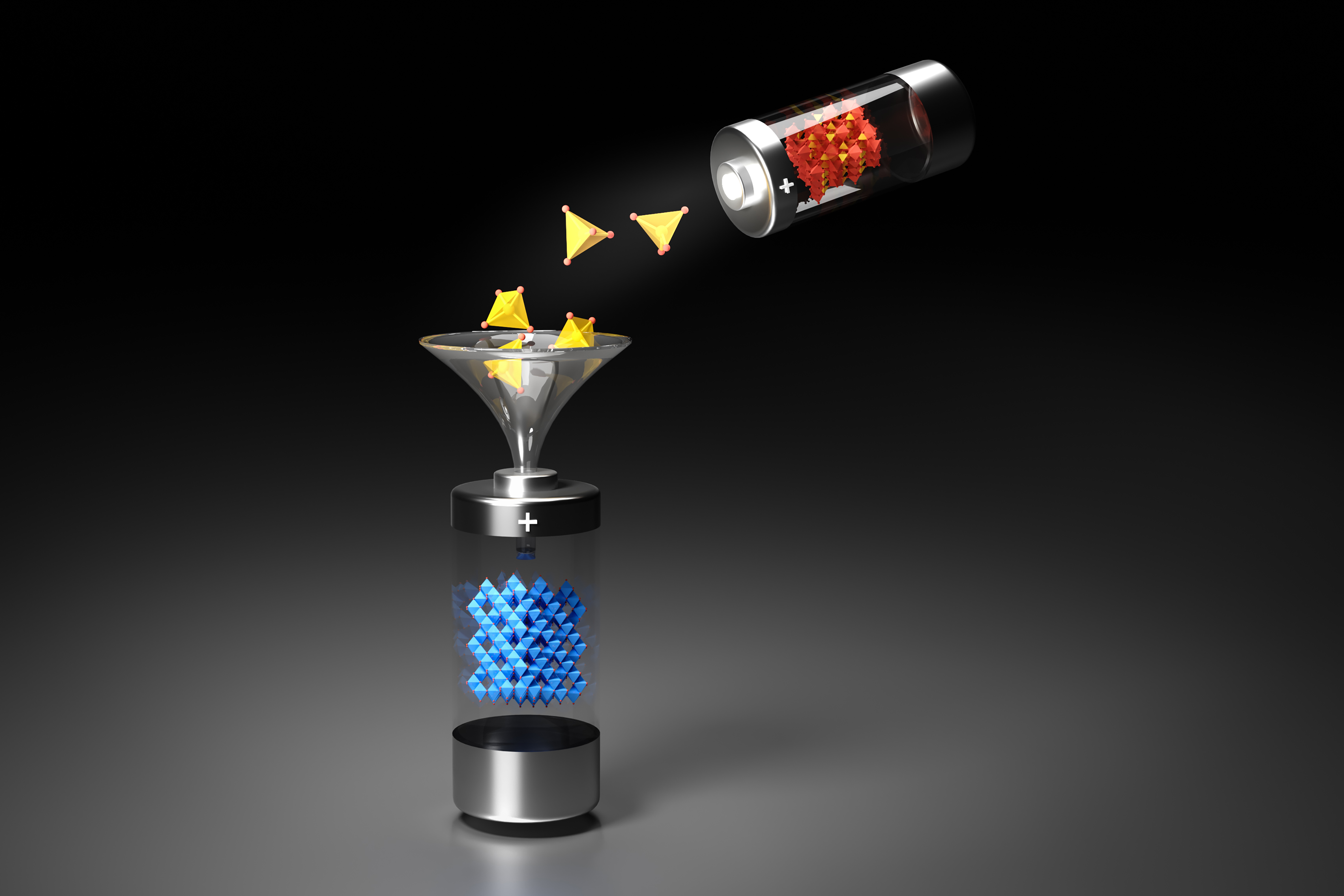 Study of disordered rock salts leads to battery breakthrough | MIT
I once saw a guy dump a whole bag on a three-foot patch of ice. That ice didn’t melt. It just stared back at him, probably laughing. The real trick is to use a light, even sprinkle—like you’re seasoning a steak, not burying a crime scene.
Surprising Fact: Your Salt Turns Into a Slurry
When rock salt stops working, it doesn’t just freeze solid. It forms this weird, slushy gunk that’s somehow both wet and sticky. It’s like the ice is saying, “Fine, I’ll get a little messy, but I’m not going anywhere.”
That slush is actually the salt trying its hardest. It’s the equivalent of a exhausted friend who’s trying to help you move a couch but just ends up sitting on it. Admire the effort, but don’t expect results.
What About Sand? A Quick Detour
Some people mix salt with sand. That’s like putting a bandage on a bullet wound. The sand gives you traction, but it doesn’t melt anything. It’s a cheat code, not a solution.
If you use it, you’ll have sand in your house for three years. Your vacuum cleaner will smell like a beach. And eventually, you’ll find a single grain of sand in your coffee and think, “Yep, that’s my life now.”
 Rock salt: How much to use, when it stops working, environment impact
Pro Tip: Pre-Treat Like a Pro
The best time to use rock salt is before the snow falls—it’s called pre-treating. You lay it down, and it prevents the ice from bonding to the pavement. It’s like putting on socks before you step in a puddle.
If you wait until the ice is there, you’re fighting a war. If you pre-treat, you’re just doing a peaceful negotiation. Plus, you look like a weather wizard to your neighbors.
When All Hope Is Lost: The Final Temperature
Once you hit -6°F, even calcium chloride starts doing a slow clap and walking away. Below that, you need something like magnesium chloride or a blowtorch (don’t actually use a blowtorch on your driveway).
At -20°F, the only thing that works is a prayer, a heated driveway, or moving to Arizona. Ice becomes a permanent house guest. It starts paying rent. It demands cable TV.
The Bottom Line (The Icy One)
Rock salt stops working when the temperature drops below 15°F. For anything colder, upgrade to calcium chloride or accept your fate as an ice-dwelling creature. Your choice.
And remember: if you see me slipping on your sidewalk, it’s your fault for not reading this article. Now go forth and season your driveway wisely. You’re the hero it deserves, even if the ice laughs at you.
