Does Boiling Water Kill Fluoride

So, you’re standing over your kettle, watching the bubbles dance, and a thought pops into your head: does this boiling water thing actually zap the fluoride out? It’s a classi...
So, you’re standing over your kettle, watching the bubbles dance, and a thought pops into your head: does this boiling water thing actually zap the fluoride out? It’s a classic kitchen conundrum, right up there with “can I reheat this pizza in the microwave without it turning into cardboard?” Let’s tackle it together, nice and easy.
The Short Answer: A Little Science, No Sweat
Here’s the honest truth: no, boiling water does not remove fluoride in any meaningful way. Think of fluoride like a stubborn party guest who refuses to leave, even when the music stops and the lights come on. Boiling water makes it hotter, but it doesn’t send that fluoride packing.
Why? Because fluoride is a mineral, not a germ. When you boil water to kill bacteria, you’re using heat to destroy living organisms. But fluoride is a simple ion—it’s a tiny charged particle that hangs out in the water, perfectly happy at any temperature.
Must Read
Imagine you’re making a pot of soup. If you boil it, the salt doesn’t disappear, does it? The salt stays, making everything taste better. Fluoride is exactly like that salt, only it’s already dissolved and won’t evaporate with the steam.
What Actually Happens When You Boil?
When water boils, some of it turns into steam and floats away. That can slightly concentrate whatever is left behind, including minerals like fluoride. So you’re not removing it—you’re actually making the ratio of fluoride to water a tiny bit higher.
Think about a crowded elevator. If a few people get out, the remaining folks feel a little more crowded, right? Same idea here. The fluoride ions are the ones still standing in the elevator, and they have less water to swim around in.
Unless you boil your kettle until it’s bone-dry—which I really don’t recommend unless you want a very angry smoke alarm—the fluoride stays put. So no, boiling isn’t your fluoride-filtering hero.
But Wait, People Say It Works—Why?
Some folks swear that boiling removes “chemicals,” but that’s usually about stuff like chlorine. Chlorine is a gas that can bubble out of water when heated, same way bubbles escape from a fizzy soda. Fluoride doesn’t bubble out—it’s not a gas.
 corona virus | Page 319 | SnoWest Forums
Let me tell you a quick story. My neighbor Dave once boiled his water for twenty minutes, convinced he was making “pure” tea. He took a sip and said, “Still tastes like my dentist’s office.” I had to break it to him: the fluoride was still there, just warmer.
So if you’ve been boiling for the sake of removing fluoride, you can stop now. Save your energy, and save your kettle from all that unnecessary wear and tear. Your electric bill will thank you.
Why Should You Actually Care?
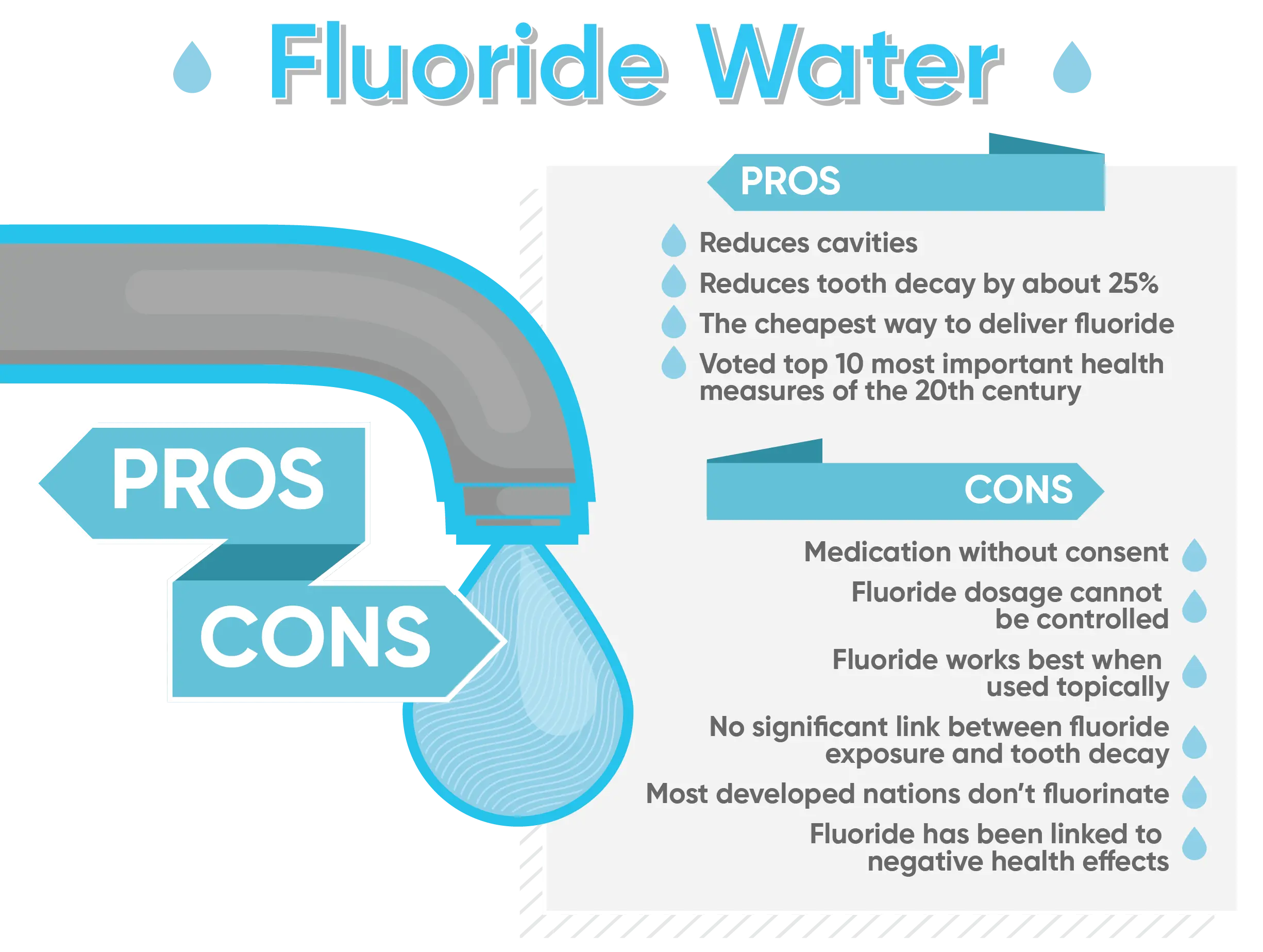
This matters because fluoride is added to public water supplies for a good reason: it helps prevent tooth decay. It’s basically nature’s tiny shield for your teeth. Drinking fluoridated water is like having a low-key dental superhero living in your tap.
But here’s where it gets fun—some people want to remove fluoride because they worry about overexposure. If that’s you, boiling won’t help, but there are other simple solutions. A simple countertop filter, like a pitcher with a carbon filter, can reduce fluoride levels.
Or you could use reverse osmosis systems, which are the heavy-duty bouncers of water filtration. They’ll kick fluoride right out, but they’re pricier and a bit more high-tech than your average kettle.
What About Your Morning Coffee or Tea?
Let’s be real: most of us boil water for coffee or tea. If you’re brewing a cup, you’re not thinking about fluoride—you’re thinking about caffeine. And that’s totally fine. The heat from boiling will not change the fluoride content of your brew one bit.
 Should You Be Worried About Fluoride In Your Drinking Water? | Blog
So go ahead, enjoy that steaming mug. Whether you’re a black coffee purist or a chamomile tea lover, the fluoride stays right where it is. Your tea kettle is not a chemistry lab, and that’s perfectly okay.
A Little Perspective, Please
Here’s the warm, fuzzy truth: for most of us, fluoride in water is a benefit, not a problem. It’s like having a built-in toothbrush that works while you sip. Dentists love it, and so do your enamel cells.
Unless your dentist has specifically told you to avoid fluoride (rare, but possible), you can relax. Boiling water is great for making pasta, sterilizing baby bottles, and warming your soul on a chilly day. But it’s not a fluoride eraser.
So, What’s the Takeaway?
Boiling water kills germs, not fluoride. That’s the headline. If you want to remove fluoride, look into filters or bottled water that says “defluoridated.” But honestly, most of us don’t need to.
So pour yourself a glass of tap water, take a sip, and smile. Your teeth are getting a little protection with every gulp. And if you ever hear someone say boiling removes fluoride, you can gently set them straight—with a warm, knowing smile and a fresh cup of tea.
Cheers to that, friend. Water’s fine just the way it is.
