Does Reverse Osmosis Remove Mold

Let’s be real for a second: mold is the uninvited guest that never knows when to leave. It lurks in your damp bathroom corner, behind the fridge, and sometimes—just sometimes—...
Let’s be real for a second: mold is the uninvited guest that never knows when to leave. It lurks in your damp bathroom corner, behind the fridge, and sometimes—just sometimes—it whispers through your tap water. If you’ve found yourself staring at a glass of water wondering, “Are you hiding mold spores?” you’re not alone. The question on everyone’s lips lately: Does reverse osmosis actually remove mold? Spoiler alert: the answer is a confident, science-backed yes—but let’s dig into the how, why, and what it means for your morning hydration ritual.
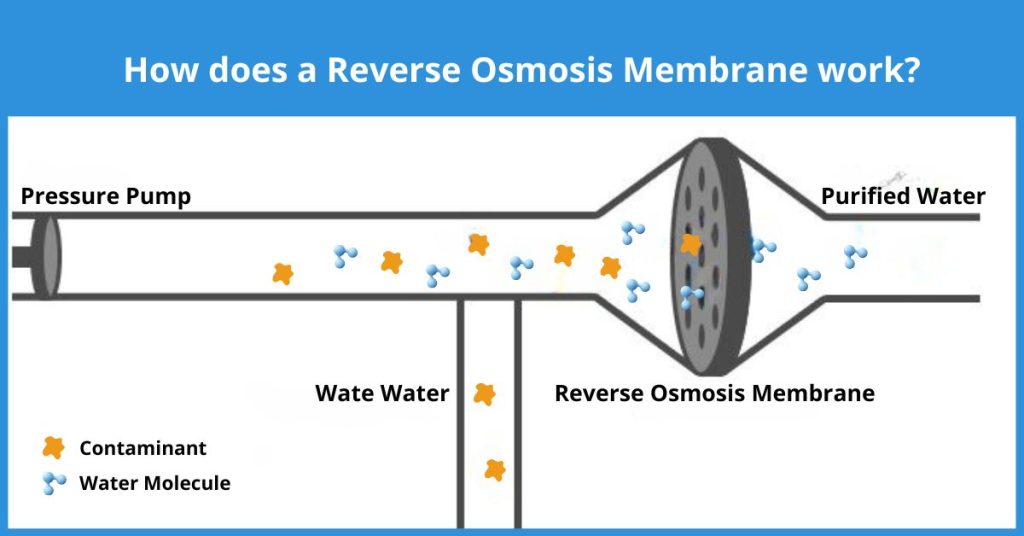
First, a quick crash course in water tech, minus the jargon. Reverse osmosis, or RO for the cool kids, is basically a bouncer for your water. It forces H2O through a semipermeable membrane with pores so tiny—0.0001 microns—that only pure water molecules can slip through. Mold spores, by comparison, are huge, ranging from 1 to 30 microns. That’s like trying to fit a beach ball through a keyhole. So yes, RO systems effectively block mold spores, along with bacteria, viruses, and most dissolved solids.
But here’s the twist: what about the mold you can’t see? Mold doesn’t always float as spores; it can also produce mycotoxins, those invisible chemical compounds that make you feel foggy-headed or sneezy. Reverse osmosis membranes are extremely effective at removing mycotoxins too. Studies show RO can reduce these toxins by over 99%, thanks to its fine filtration and activated carbon pre-filters that trap organic nasties. It’s like having a detox specialist and a security guard working in tandem.
Must Read
Of course, there’s a catch—isn’t there always? Your RO system itself can become a mold playground if you neglect maintenance. The membrane, storage tank, and lines are dark, damp, and cozy. If you don’t change filters on schedule, you might be breeding mold instead of removing it. It’s the ultimate irony: your mold-fighting hero can turn into the villain if you forget to change its cape. Pro tip: swap your pre-filters every six months and sanitize the tank annually. Your future self will thank you.
Let’s sprinkle in some cultural context, because water talk is universal. In Japan, many households use RO systems to make their famous “soft water” for sake and tea, valuing purity above all. Meanwhile, in the American Southwest, where tap water often tastes like a mineral pool, RO is the go-to for coffee snobs and kombucha brewers. Mold isn’t just a health issue; it’s a flavor assassin. If your water tastes like a damp basement, it might not be spores, but microbial growth in your pipes. An RO system is your palate’s best friend.
Practical Tips for Mold-Free Water
Ready to level up your water game? Here’s the lowdown. First, test your water before you invest in an RO system. A simple at-home kit can reveal if you have mold spores or just high mineral content. Second, look for systems with a UV light stage. UV radiation zaps any microorganisms that slip past the membrane, offering double protection against mold. It’s like wearing a belt and suspenders, but for water.
 Can Reverse Osmosis Remove Mold from Water Supply?
Third, consider a countertop RO unit if you’re renting or short on space. They’re easier to clean and maintain than under-sink models, reducing the risk of hidden mold. And here’s a fun fact: the astronauts on the International Space Station use a version of reverse osmosis to recycle their urine into drinking water. If RO can handle that kind of funk, it can certainly handle your basement’s mold spores.
The Little Things That Matter
You don’t need to live in a sterile bubble to have clean water. In fact, complete sterility isn’t the goal—balance is. RO water is so pure that it lacks beneficial minerals like calcium and magnesium, which is why many systems add a remineralization stage. But for the specific goal of removing mold and mycotoxins, RO is your most reliable ally. Think of it as the difference between a general cleaning spray and a medical-grade disinfectant. Both work, but one is laser-focused.
One more cultural nod: in parts of India, where waterborne illness is a daily concern, RO systems are as common as rice cookers. The awareness there is high, which is a lesson for the rest of us. Mold in water isn’t just a “damp house” problem; it’s a global issue that technology has elegantly solved. And let’s be honest—there’s something deeply satisfying about watching that clear, pristine water drip into your glass, knowing it’s been through a microscopic sieve.
 How to Remove Reverse Osmosis System | 7 Easy Steps (2026)
So, does reverse osmosis remove mold? Yes, effectively and elegantly. But it’s not a set-it-and-forget-it solution. You have to care for the system that cares for your water. Change filters, clean the tank, and listen to that little voice that says, “Maybe my water tastes weird because my filter is six months overdue.” Your health, your morning coffee, and your sanity will thank you.
A Reflection for Your Daily Pour
In the rush of modern life, we often overlook the simplest acts of care. Filling a glass of water is automatic, almost subconscious. But when you invest in understanding how that water gets clean—when you know the science behind the sip—you reconnect with a fundamental act of nurturing yourself. You’re not just removing mold; you’re removing a layer of uncertainty. That quiet confidence? It’s the purest thing you can drink all day.
Go ahead, pour yourself a glass. Let it be still. Notice the clarity. And remember: sometimes the smallest details—like a membrane with pores smaller than a thought—make the biggest difference in how you move through your world. Cheers to water that works as hard as you do.
