What Does A Water Conditioner Do

So, you’ve heard the term water conditioner thrown around, and your first thought was probably: *Is this a fancy spa treatment for my plumbing?* Or maybe you pictured a tiny p...
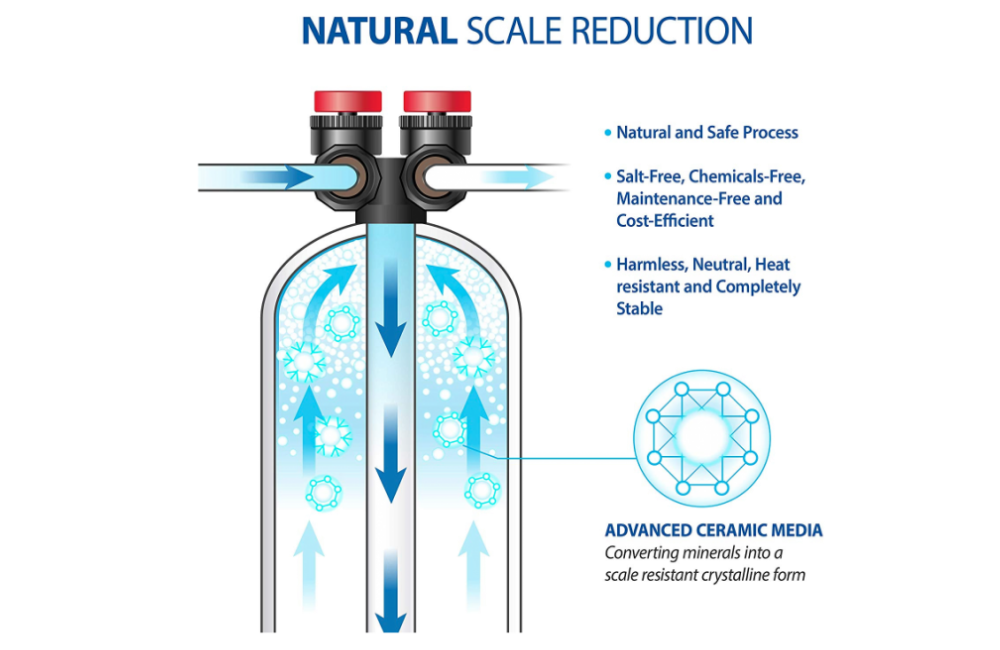
So, you’ve heard the term water conditioner thrown around, and your first thought was probably: Is this a fancy spa treatment for my plumbing? Or maybe you pictured a tiny person in your basement pouring Calgon into a tank. Relax. It’s way simpler, and honestly, it’s a bit like a life coach for your water.
You know that feeling when you wash your hands and they feel like you just rubbed them with sandpaper? Or when your shower head starts sputtering like an old man after a jog? That’s hard water—the mineral-packed bully of the home. A water conditioner doesn’t kick the minerals out entirely; it just convinces them to play nice.
The “Cheerleader” of Your Pipes
Think of a water conditioner as the friendly, slightly magical neighbor who stops a fight before it starts. Hard water loves to leave limescale—that white, crusty stuff that looks like fossilized toothpaste—on your faucets and inside your coffee maker. A conditioner uses a clever trick: it changes the shape of those minerals so they can’t clump together and form a stubborn crust. They just float right on by, like teenagers pretending not to see their parents at the mall.
Must Read
Your water heater loves this. Without a conditioner, the heating element gets coated in scale, making it work twice as hard—like you trying to run a marathon in winter boots. A conditioned system lets it relax and save energy, which means a little extra cash for your actual coffee habit.
Soap: The Ultimate Test Drive
Here’s the real-world test: soap lather. With hard water, you need a mountain of soap just to get a sad, thin foam. It’s like trying to wash a greasy pan with a single drop of dish soap—frustrating and wasteful. A water conditioner makes water slippery.
Suddenly, a tiny dab of shampoo creates a lather that feels like a cloud exploded on your head. Your skin stops feeling like an alligator’s briefcase. And your laundry? Towels come out fluffy, not stiff enough to stand up on their own. You’ll actually want to wrap yourself in them.
The “No-Kill” Philosophy (It’s Not Salt!)
Now, don’t confuse a conditioner with a water softener. A softener is the bouncer—it throws out the calcium and magnesium using salt. A conditioner is more of a diplomat. It uses a physical process (like a magnetic field or a template-assisted crystallization) to neutralize the hardness without adding salt or chemicals.
 What Does A Water Conditioner Do at Jason Gibbons blog
This is huge if you hate lugging 40-pound bags of salt from the grocery store. Or if you’re trying to keep your plants happy. Salt-based softeners can mess with your garden like a bad diet—too much sodium. A conditioner keeps the minerals for your plants (they need them!) while preventing the plumbing carnage.
Your Shower Head’s Best Friend
I once had a shower head that started dripping like a crying faucet after six months. The holes were clogged with scale. I had to soak it in vinegar, which smells like a pickle factory exploded. After installing a whole-house water conditioner, that same shower head still sprays evenly after two years. It’s like the difference between a gentle rain and a squirt gun with a lemon seed stuck in it.
And your dishwasher? No more cloudy glasses that look like you washed them with dust. They come out so crystal clear you’ll start checking if they’re actually plastic. It’s satisfying, in a weird, domestic kind of way.
The Bottom of the Glass
Here’s the thing: a water conditioner won’t change the taste of your water much. It’s not a filter that removes chlorine or weird smells. Think of it as the backstage manager for your water. You don’t see it, but everything runs smoother, lasts longer, and feels better.
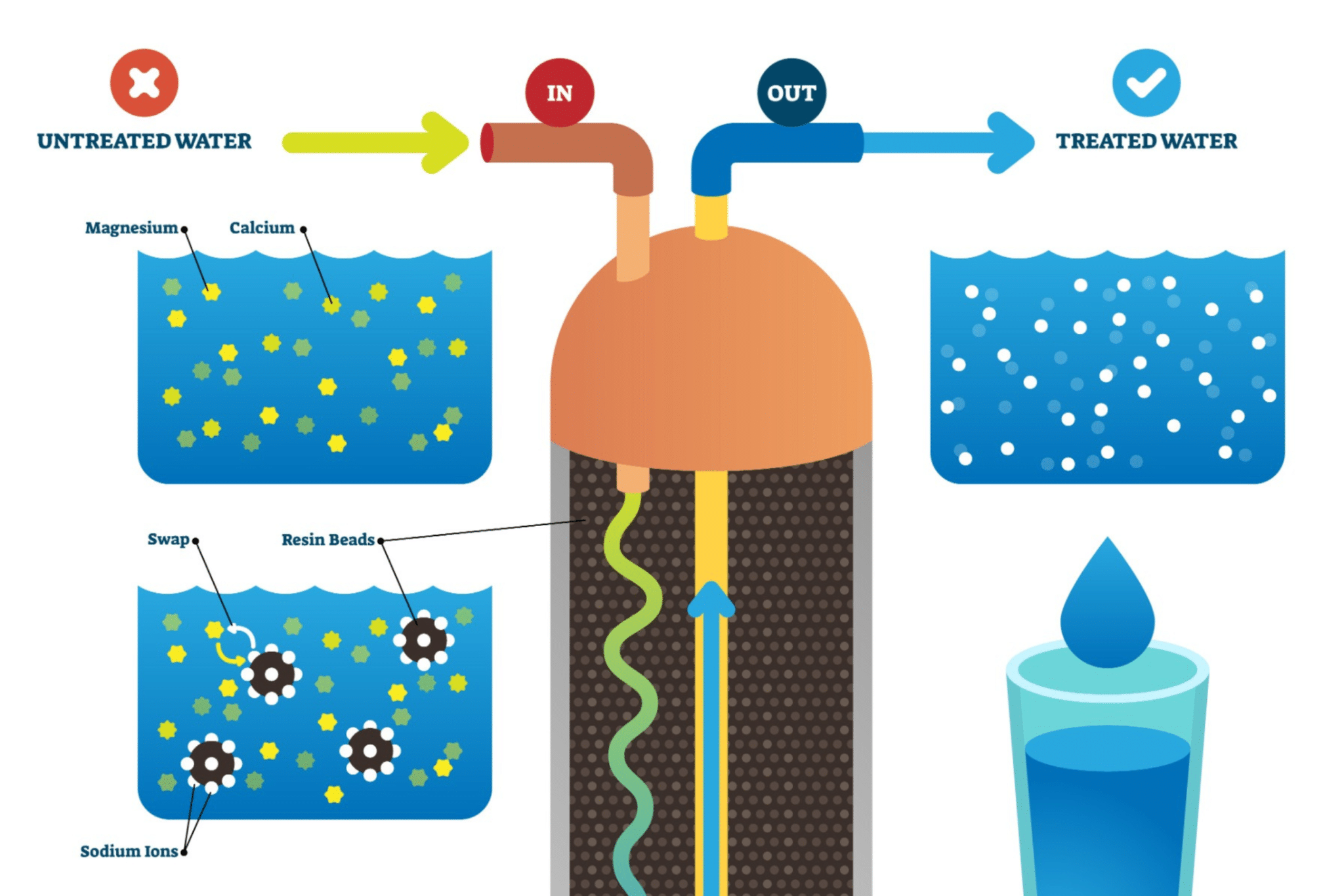 How Does a Water Softener Work? - Aquanology Water Conditioning
It prevents the slow, tragic death of your appliances. Your coffee maker won’t start brewing bitter sludge after a year. Your washing machine won’t develop a mysterious “fill error” because the valve is gummed up. It’s like giving your home’s plumbing a multivitamin and a massage at the same time.
But Is It Worth the Hype?
Honestly, if you live anywhere with “moderate” to “very hard” water—like most of the Midwest, Florida, or the Southwest—a conditioner is a game changer. You’ll notice it most in the shower, where your hair stops feeling like straw. Your spouse will notice it when their coffee mug doesn’t have a white ring of shame inside.
It’s not a flashy gadget. It doesn’t have a cool app or a voice assistant. But it whispers results. You’ll stop buying expensive descaling solutions. You’ll stop scrubbing shower doors with a scouring pad like a medieval peasant. The savings in soap, detergent, and appliance repairs alone will make you nod and mutter, “Yeah, that was worth it.”
So, what does a water conditioner do? It makes your hard water behave. It’s the polite friend who doesn’t leave a mess, who extends the life of your stuff, and who makes sure every shower feels like a hug from a cloud. And honestly, isn’t that the kind of upgrade we all deserve?
