How Does E Coli Get In The Water

Ever waded into a cool, clear lake on a hot summer day and wondered what else might be swimming with you? It’s a thought we tend to push aside, but sometimes that refreshing w...
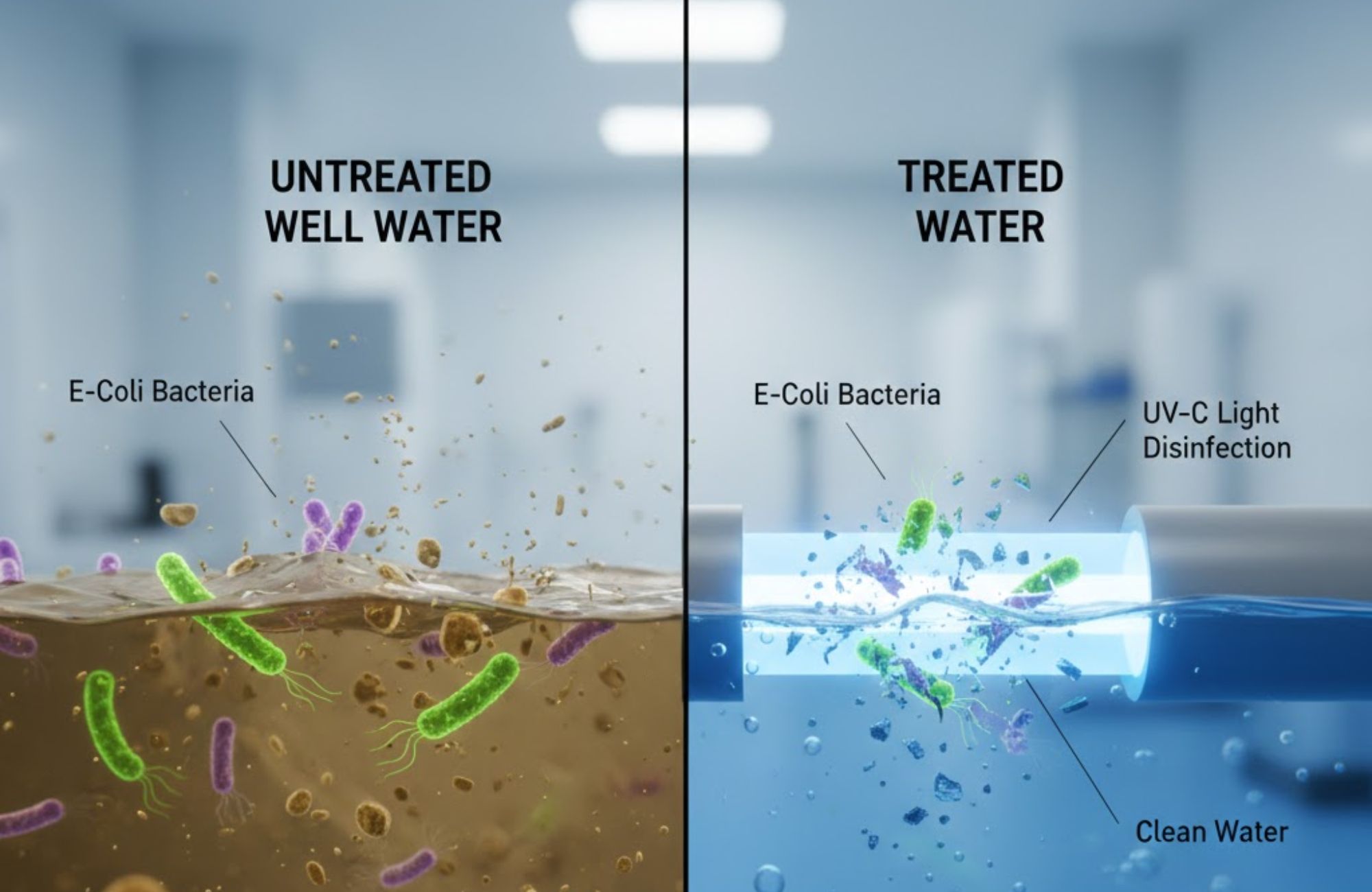
Ever waded into a cool, clear lake on a hot summer day and wondered what else might be swimming with you? It’s a thought we tend to push aside, but sometimes that refreshing water carries a tiny, uninvited guest: E. coli. Let’s be real—most E. coli are harmless party crashers, but a few nasty strains can ruin your whole weekend. So, how does this microscopic hitchhiker actually get into our rivers, lakes, and even our tap water?
It’s not like bacteria pack a suitcase and catch a bus. The journey is way more interesting—and grosser—than that. Think of water as the world’s most efficient Uber, picking up whatever falls in along the way. The main culprit? Poop. Yes, you read that right. E. coli lives in the guts of warm-blooded animals, so the easiest way it gets into water is through—let’s call it—a fertilizer accident.
The Usual Suspects: Farm Animals and Rain
Picture a field full of happy cows, pigs, or chickens. Where do you think all that manure goes? When it rains, water runs over the ground and washes that stuff—and the E. coli inside it—straight into nearby streams and rivers. That’s called runoff, my friend, and it’s bacterial public transit.
Must Read
It’s like if a bunch of people left their trash on a hill, and then a giant garden hose came along and blasted it all into the town pool. The rain doesn’t mean any harm, but it’s incredibly effective at moving bacteria around. That’s why after a big storm, local swimming spots often get a warning sign.
Septic Tanks and Leaky Pipes
Now, let’s talk about what’s happening right under your backyard—literally. If you live in a rural area, you probably have a septic tank buried underground. It’s a magical concrete box that’s supposed to keep your household waste, well, contained. But over time, these tanks can crack, leak, or just get too full.
When that happens, the waste—loaded with E. coli—seeps into the groundwater before anyone notices. It’s like a secret underground river of trouble, flowing straight into wells and springs. Pretty wild, right? A little crack in a pipe can send a bacterial army marching toward your drinking glass.
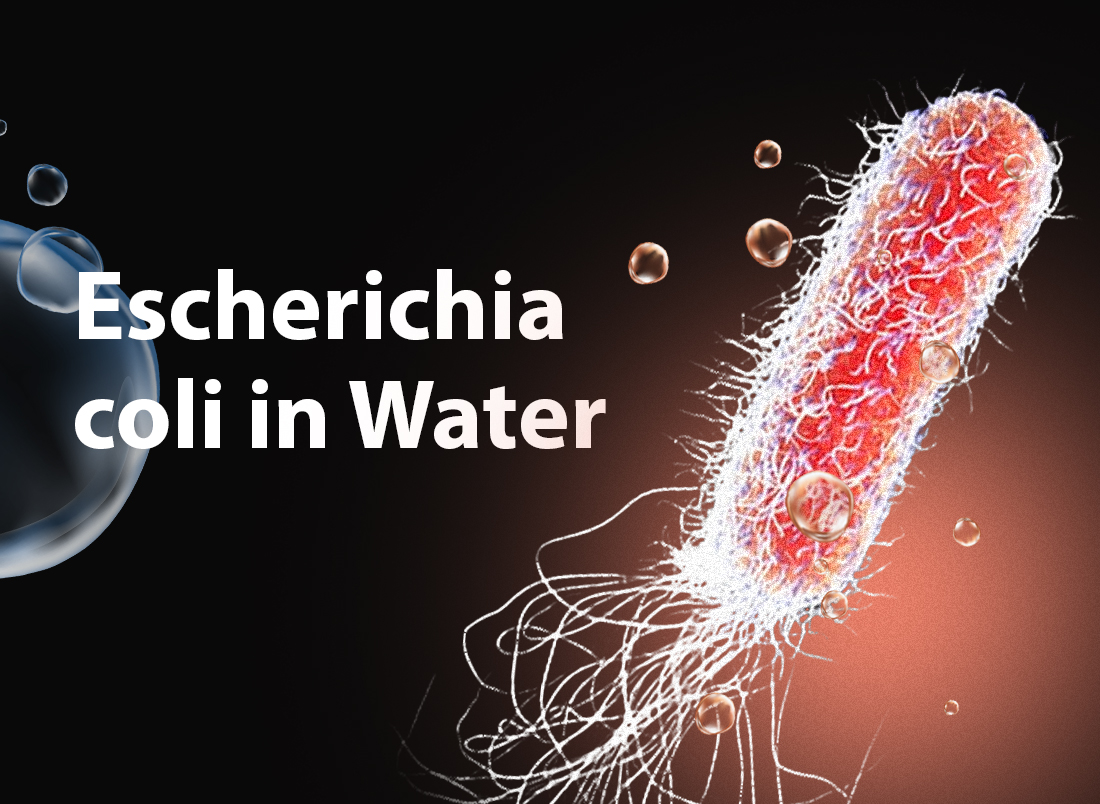 Escherichia coli in Water
Storm Drains: The Fast Lane
Ever walked by a storm drain and seen litter swirling inside? That’s not just rainwater—it’s a highway to the water supply. In many cities, storm drains empty directly into rivers and lakes with zero treatment. So if a pet poops on the sidewalk and it rains, that bacteria is on an express ride to the nearest body of water.
It’s basically the plot of a superhero movie, except the villain is a microbe and the hero is a city council. Fun fact: even bird droppings can contribute—think of a flock of geese at a park pond. That’s a lot of potential E. coli just waiting for a splash.
Why This Isn't Just a 'Gross' Story
Okay, so now you might be thinking, “Great, I’ll never swim in a lake again.” But here’s the cool part: understanding this process makes us smarter about our environment. Scientists use E. coli as a “indicator bug.” If they find it in water, they know something—like a sewage leak or farm runoff—is going wrong.
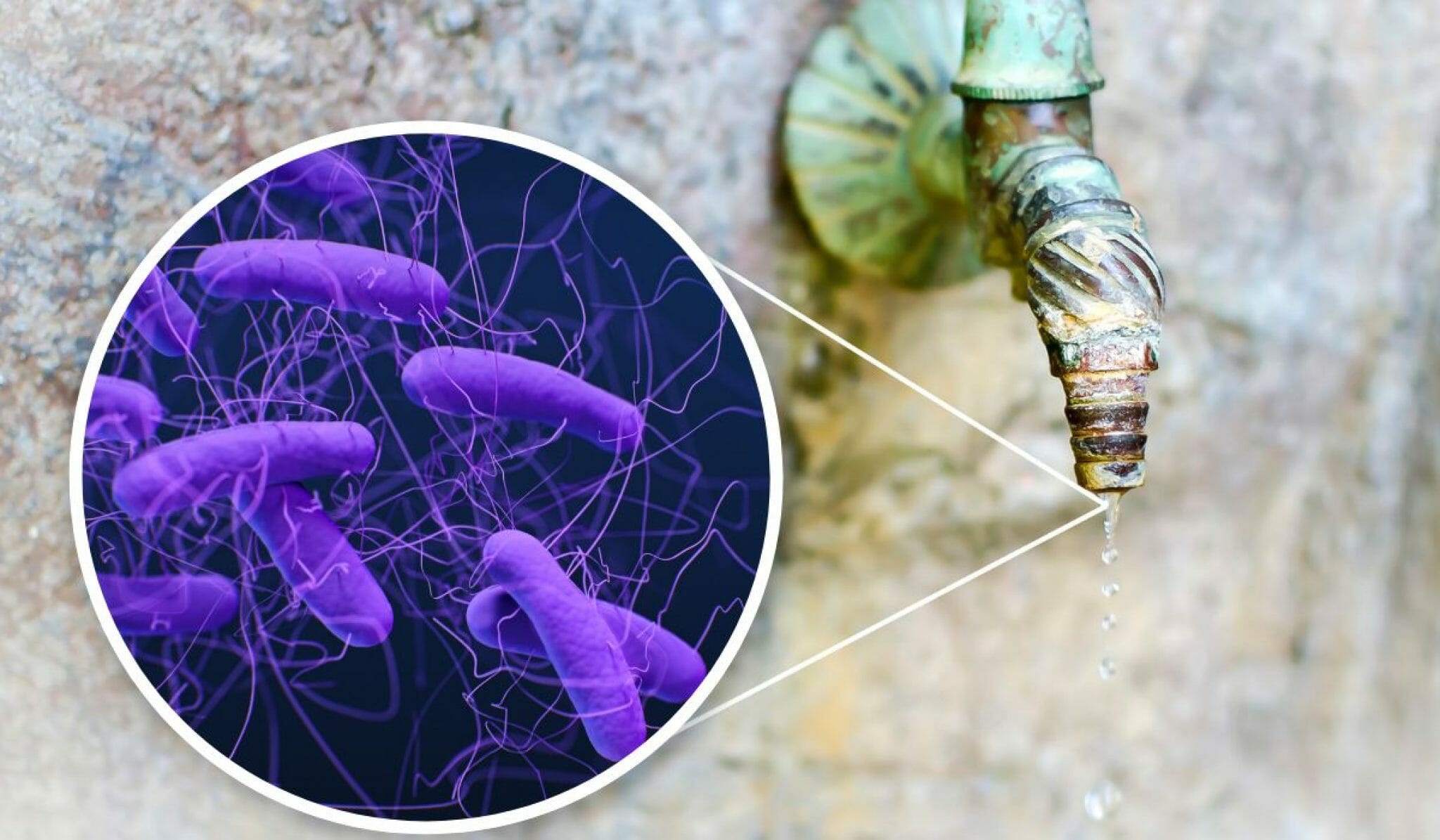 E Coli In Water (Everything You Need To Know In 2026)
It’s like a canary in a coal mine, but instead of a bird, it’s a bacterium that ruins your digestion. When we test water at beaches, we’re actually playing detective—chasing down the source of that E. coli to fix the problem. That might mean fixing a septic tank or putting up a fence to keep cows out of a stream.
What Can You Do? (Besides Panic)
Don worry—you don’t have to stop enjoying nature. Just be aware. Avoid swimming near storm drain outlets after a heavy rain. If you own a septic tank, get it inspected every few years. And please, for the love of all that is holy, pick up after your dog. That single scoop can keep a million E. coli from taking a joyride into the creek.
You see, water is a giant, connected system—what happens on land always ends up in the water. It’s weirdly beautiful and a little terrifying at the same time. Next time you’re at the beach, you can look at the water and say, “I know your secrets, you sneaky E. coli.” Just don’t drink it.
So there you have it. From cow patties to leaky pipes to your best friend’s backyard business—E. coli’s journey is a messy, fascinating adventure. And the more we understand it, the better we can keep our water clean. Now go enjoy that lake—just maybe not right after a thunderstorm.
