What Is A Water Treatment System

Let’s be honest—most of us don’t give our tap water a second thought. We turn the faucet, and magic happens, right? Then one day you catch a whiff of something that smells lik...
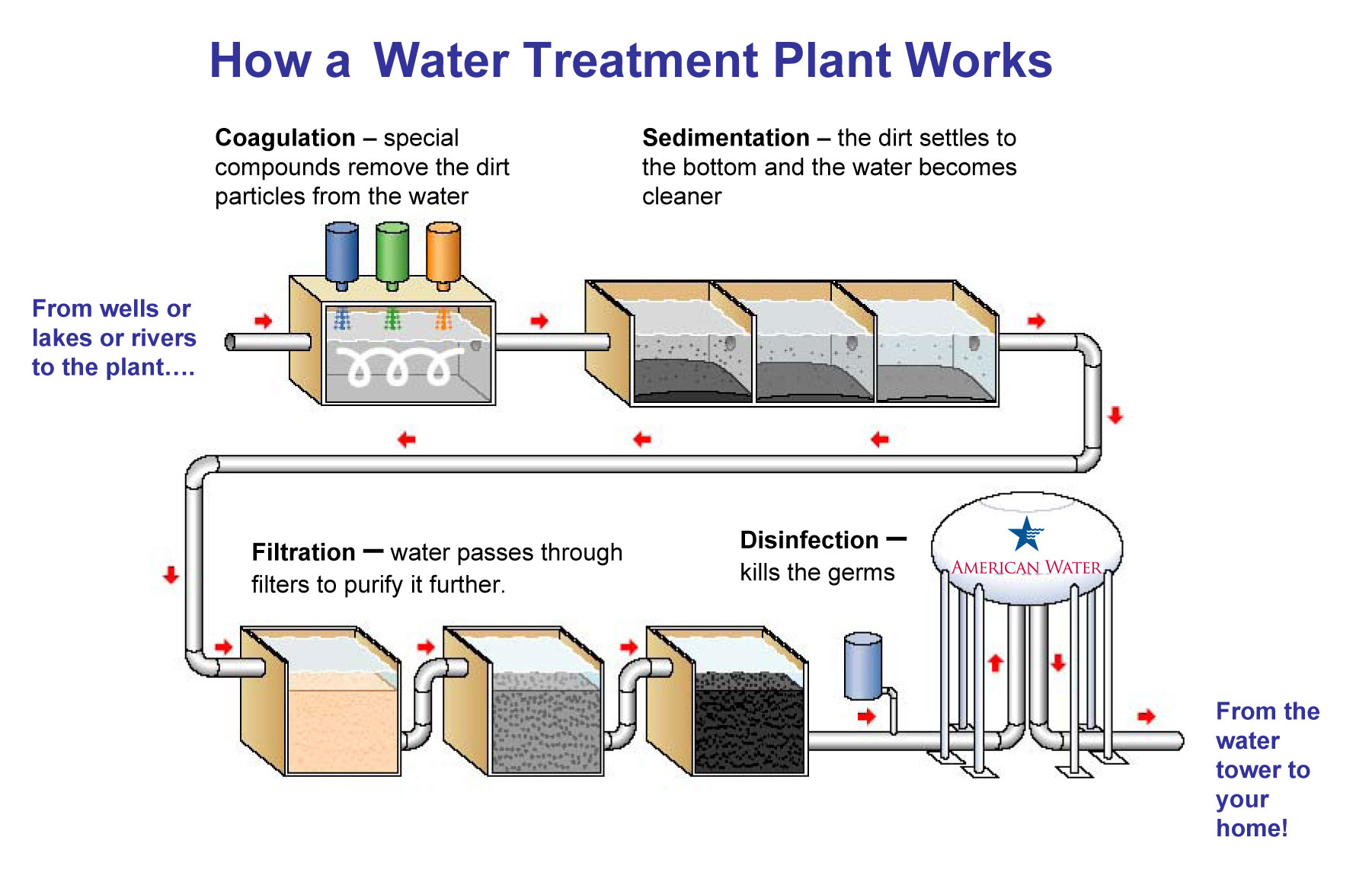
Let’s be honest—most of us don’t give our tap water a second thought. We turn the faucet, and magic happens, right? Then one day you catch a whiff of something that smells like a swimming pool’s forgotten gym bag, and you start wondering: what exactly is a water treatment system?
Think of it as the ultimate bouncer for your home’s water supply. It stands at the door, decides who gets in, and politely but firmly kicks out the riffraff: chlorine, lead, sediment, and that weird metallic taste that makes your morning coffee taste like a rusty nail. In essence, a water treatment system is any setup—from a simple fridge filter to a whole-house behemoth—that removes bad stuff so your water actually tastes like water.
Your Water’s Backstory (Spoiler: It’s Gross)
Before we dive in, let’s acknowledge the elephant in the pipe. Your water probably took a road trip through a river, a treatment plant, and miles of underground pipe before it reached your glass. Along the way, it picked up minerals that make your shower head look like a chalky stalactite, and chlorine that leaves your skin feeling like a reptile’s handbag.
Must Read
I once moved into an apartment where the water smelled like a biology experiment. I bought a countertop filter, and my shampoo suddenly started lathering. I felt like I’d won the lottery, but the prize was just water that didn’t fight me. That little filter was my first water treatment system, and it changed my life in a deeply boring, wonderful way.
The Cast of Characters: What’s in Your System?
Systems come in flavors, like a weird, utility-focused ice cream shop. You’ve got sediment filters—the sand-sifters that catch dirt and rust. Then there are carbon filters, the odor-eaters that yank out chlorine and bad tastes. They’re like a Brita pitcher on steroids, minus the awkward refill schedule.
If your water is so hard it could break a diamond, you need a water softener. This thing swaps calcium and magnesium for sodium in a chemical dance. The result: no more crusty faucets, and your hair won’t feel like straw after a shower. It’s the difference between washing your dishes with sandpaper versus a silk glove.
 Drinking Water Treatment Process at Sandra Slavin blog
For the high rollers, there are reverse osmosis systems. These are the pro athletes of water cleaning, pushing water through a membrane so tight that even molecules of lead get benched. The downside? They waste a bit of water, but hey, perfection isn’t cheap—or fast. You’ll sit there like a impatient child while it drips.
Why Bother? (Besides Not Wanting to Drink Pool Water)
It’s not just about taste. Hard water can wreck your appliances. I had a coffee maker that died after six months because the mineral buildup was basically cement. A friend installed a whole-house filter, and her kettle stopped looking like a fossil. Your wallet will thank you, even if you don’t throw a party for the plumber.
Skin and hair are also major drama queens about bad water. If your skin feels itchy after a shower, or your hair gets that “I went swimming in a public pool” vibe, blame the chlorine. A simple shower filter—less than fifty bucks—turns your bathroom into a spa. I installed one and my girlfriend stopped hoarding expensive conditioner. That’s real progress.
The “Install It and Forget It” Dream
The best part about a good water treatment system? Once it’s in, you stop thinking about it. It’s like having a personal assistant who quietly does their job, never asks for a raise, and just sits under your sink. Except you do have to change the filter cartridge every few months. Mark it on your calendar, or you’ll be back to drinking the swimming pool bag water.
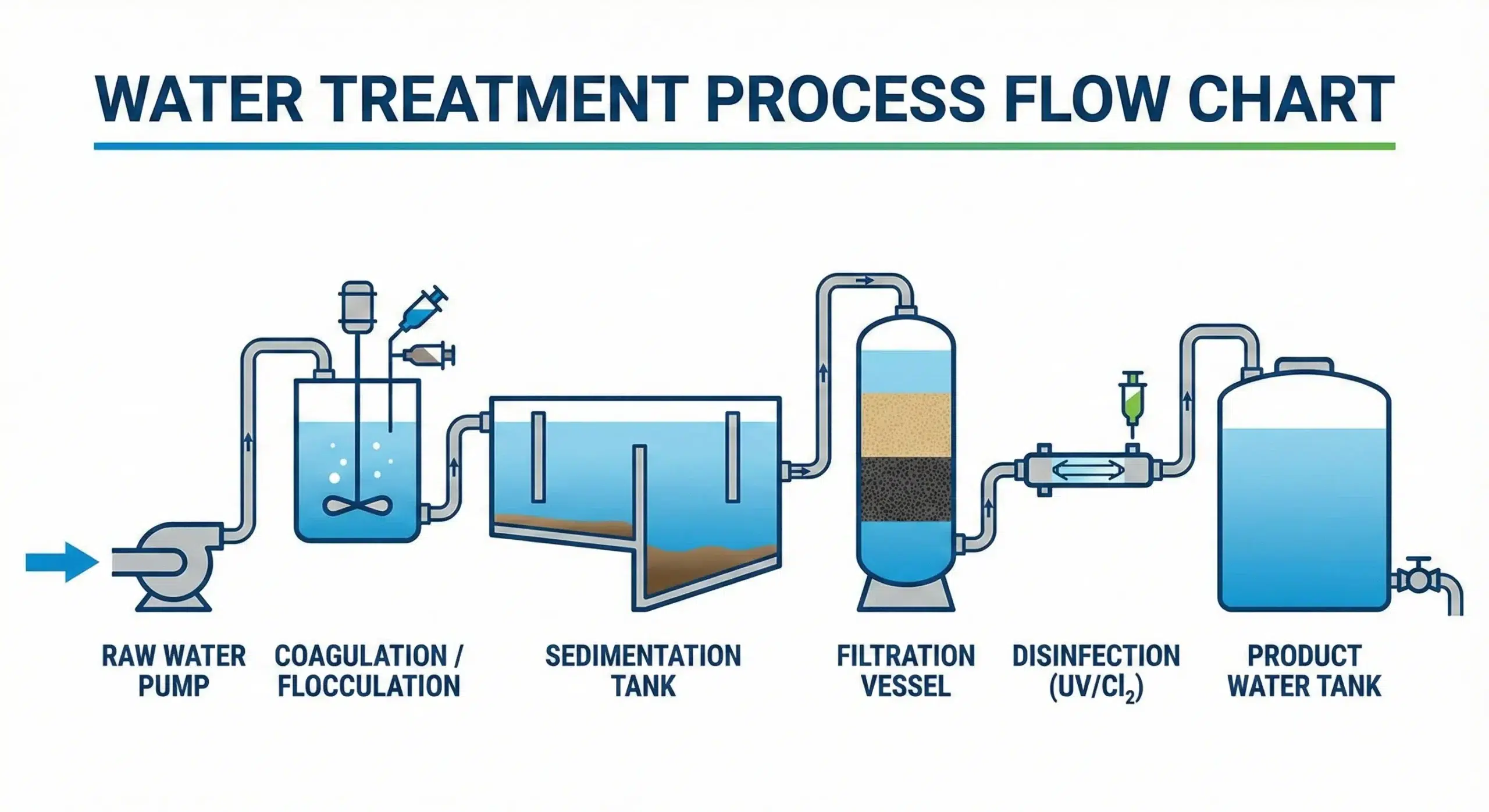 Water Treatment Process Comparison: The 4 Pillars Of Purification
I once forgot to change mine for six months. The water started tasting… nostalgic, like a childhood school trip to the water plant. It was a wake-up call that these systems aren’t magic—they’re more like a hamster on a wheel. You have to feed them the occasional filter.
Is It Worth It? A Nodding Yes
If you’ve ever grimaced while swallowing tap water, or sighed at a spotty glass, you’re a prime candidate. You don’t need a lab-grade system. A simple pitcher filter can make your tap taste like mountain spring. A whole-house system is for people who want every drop in their home to be pure—including the toilet, which is a flex, but a noble one.
The price tag can range from twenty bucks to a few thousand. But consider this: bottled water costs more per gallon than gasoline. A system pays for itself in a year, and you save the planet from plastic. That’s a win for your taste buds and your Earth-loving ego.
So next time you take a sip of crisp, clean water without a hint of chemical ghosts, give yourself a little nod. You didn’t just buy a filter. You bought a piece of mind, a silky shower, and the quiet joy of knowing that your coffee isn’t secretly crying. Now that’s water worth drinking.
