How To Remove Hard Water Buildup

Let’s talk about hard water. It sounds tough, right? Like a superhero for showers. But it’s actually a villain. Hard water is just water packed with minerals—calcium and magn...

Let’s talk about hard water. It sounds tough, right? Like a superhero for showers. But it’s actually a villain.
Hard water is just water packed with minerals—calcium and magnesium. Think of them as tiny, invisible rocks that crash your plumbing party. Over time, those rocks build up. They become limescale.
Limescale is that white, crusty stuff on your faucets. It’s the sneaky film on your shower door. Your kettle looks like a miniature cave system.
Must Read
Here’s the kicker: limescale is not dangerous to drink. It’s just annoying. It feels rough. It ruins your shiny surfaces.
Your soap doesn’t lather well with hard water. You end up using more shampoo. You’re basically fighting a mineral army in your own bathroom.
But guess what? You can win this war. You have weapons in your kitchen right now. Let’s get started.
The Magic Weapon: White Vinegar
Vinegar is the superstar of hard water removal. It’s acidic. That acid dissolves the calcium like sugar in tea. Science is cool.
Grab a spray bottle. Fill it with half white vinegar and half water. Don’t use the fancy balsamic—save that for your salad.
Spray the mixture onto your faucets. Let it sit for 5-10 minutes. You’ll see the scale start to bubble and fizz. It’s working.
After the wait, scrub with a soft cloth or an old toothbrush. Be gentle. You don’t want to scratch your chrome. Rinse with water and dry it off.
For really stubborn buildup, soak a paper towel in vinegar. Wrap it around the faucet like a mummy. Leave it for an hour. Bam—clean victory.
Battle the Shower Head
Your shower head is probably a limescale monster. Water spits out in weird directions? That’s mineral blockage.
Take it off if you can. Put it in a plastic bag filled with pure vinegar. Tie the bag tight with a rubber band.
Let it soak overnight. In the morning, run hot water through it for a minute. Watch the crud fly out. It’s oddly satisfying.
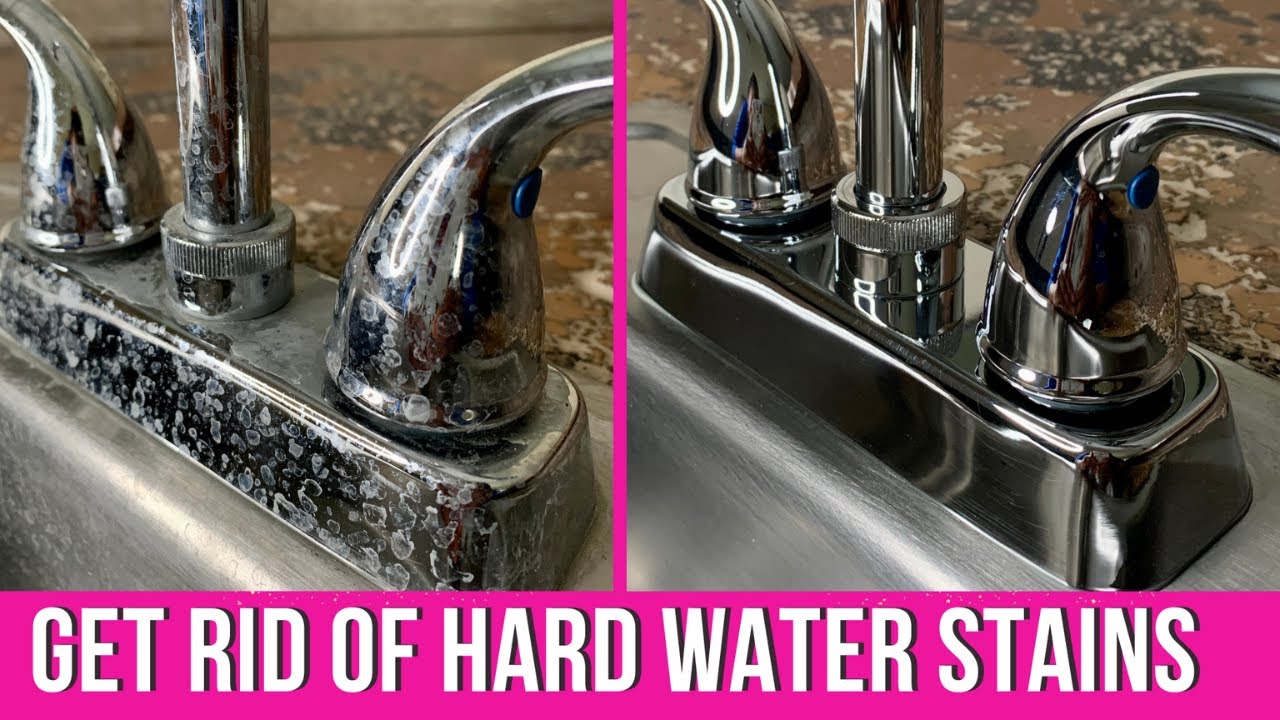 How To Clean Hard Water Build Up On Faucet at Isaac Oppen blog
No removable head? Fill a bag with vinegar, tape it over the head, and soak it in place. Careful not to ruin your tile grout with dripping acid.
Glass Shower Doors: The Final Boss
Those foggy, white streaks on glass doors are limescale’s masterpiece. They look terrible. But you have a plan.
Mix equal parts vinegar and dish soap in a spray bottle. The soap helps the mixture stick to vertical surfaces. Spray it on generously.
Let it sit for 15 minutes. Then, scrub with a magic eraser or a non-scratch pad. Rinse thoroughly. Dry with a microfiber cloth.
For a shiny finish, use a squeegee after every shower. Yes, every time. It prevents scale from forming. Call it your new shower buddy.
Fun fact: A woman in Ohio once told me she sings opera while squeegeeing. She says it makes the glass gleam. I don’t know if that’s true, but try it anyway.
Kitchen Kettle and Coffee Maker
That white stuff floating in your coffee? That’s limescale, not dairy. Ew. Fix it now.
Fill your kettle with equal parts water and vinegar. Boil it. Let it sit for 30 minutes. Pour it out.
Boil fresh water twice to rinse. Your kettle will be brand new. Your tea will taste like tea again, not minerals.
For coffee makers, run a cycle with vinegar and water. Follow with two cycles of plain water. Your morning brew will thank you.
Quirky Facts to Impress Your Friends
Hard water isn’t just a household annoyance. It can shrink your pipes over time. Too much limescale can reduce water flow by 50%.
 How To Easily Remove Hard Water Deposits On Faucets & Sinks
Ancient Romans used hard water in their aqueducts. They had to scrape pipes by hand. No vinegar back then—only elbow grease and slaves.
In some parts of the UK, limescale is called “fur.” Imagine saying, “I need to defur my tap.” Hilarious.
Lemon juice works almost as well as vinegar. It smells better. Use it for a fresher cleaning session. Your bathroom will smell like a pie shop.
The Secret Weapon: Citric Acid
Vinegar is great, but citric acid is the ninja of limescale fighters. It’s a powder you can buy online or in some stores.
Mix a tablespoon with a cup of hot water. Use it exactly like vinegar. It’s less smelly and more effective on thick scale.
Some people swear by Coca-Cola. Yes, the soda. Its phosphoric acid eats through scale. But it’s sticky and leaves sugar residue. Use it only in an emergency—like a limescale zombie apocalypse.
Prevention: The Lazy Person’s Dream
The best way to remove buildup is to stop it from happening. Install a water softener. It replaces calcium with salt. No more scale.
But water softeners cost money. For renters, use a shower filter. They attach to your pipe and catch minerals. Cheap and easy.
Wipe down surfaces after use. Dry them with a towel. Takes ten seconds. Saves you an hour of scrubbing later.
One last funny detail: hard water can make your hair feel stiff and straw-like. Some people call it “crunchy hair syndrome.” Use a vinegar rinse once a month to fix it. Your hair will be bouncy and soft.
So go ahead. Summon your inner plumber. Arm yourself with vinegar from the pantry. You’ve got this. Your faucets will sparkle, your shower will roar, and your kettle will whisper sweet, mineral-free steam.
Limescale made a mess. You just made it disappear. Victory is yours.
