How To Dissolve Calcium Deposits

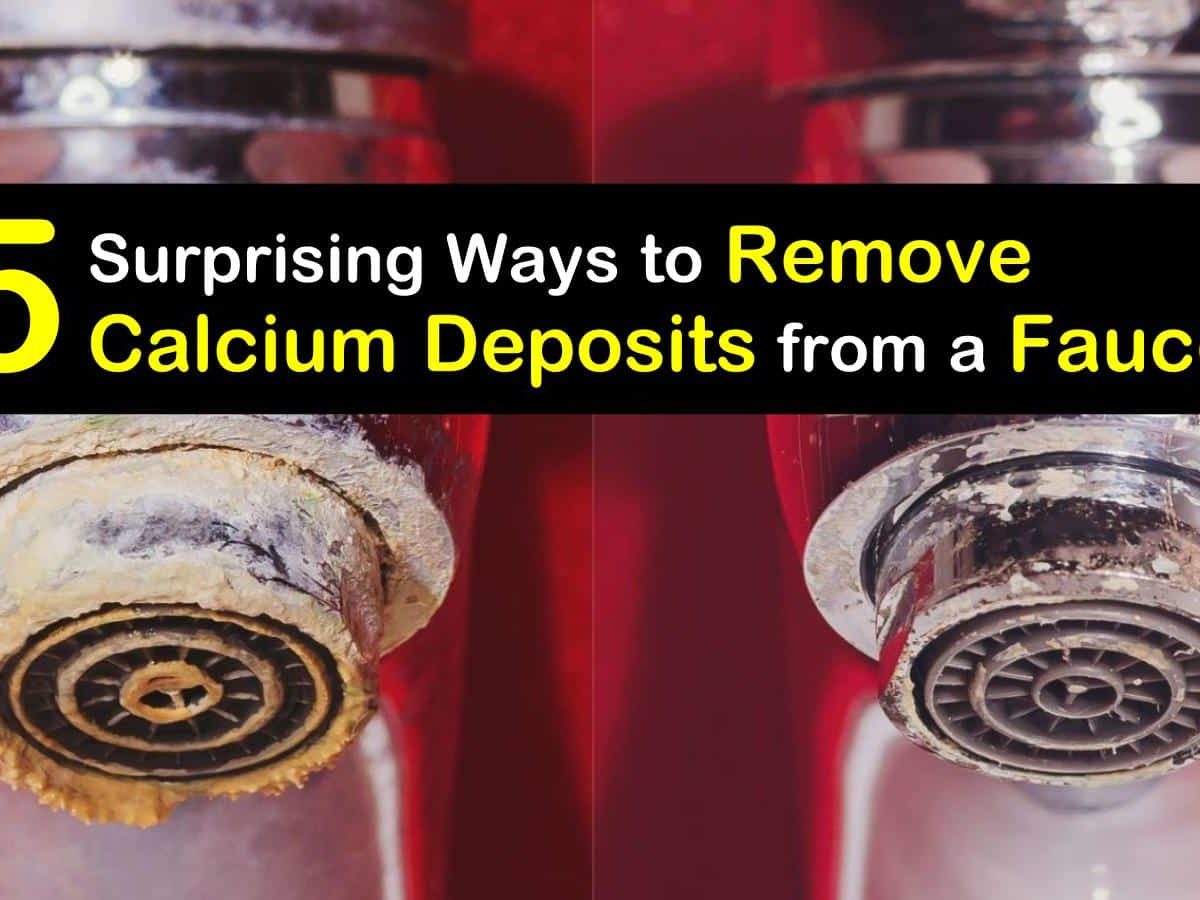
You know that moment when you realize your shiny new faucet looks like it’s been through a milk-and-cookie monster attack? That crusty, white, stubborn buildup is calcium—and...
You know that moment when you realize your shiny new faucet looks like it’s been through a milk-and-cookie monster attack? That crusty, white, stubborn buildup is calcium—and it’s basically the houseguest who refuses to leave after the party. I once tried to scrub mine off with a toothbrush and sheer rage. Spoiler: the rage won, but my faucet still looked like a fossil.
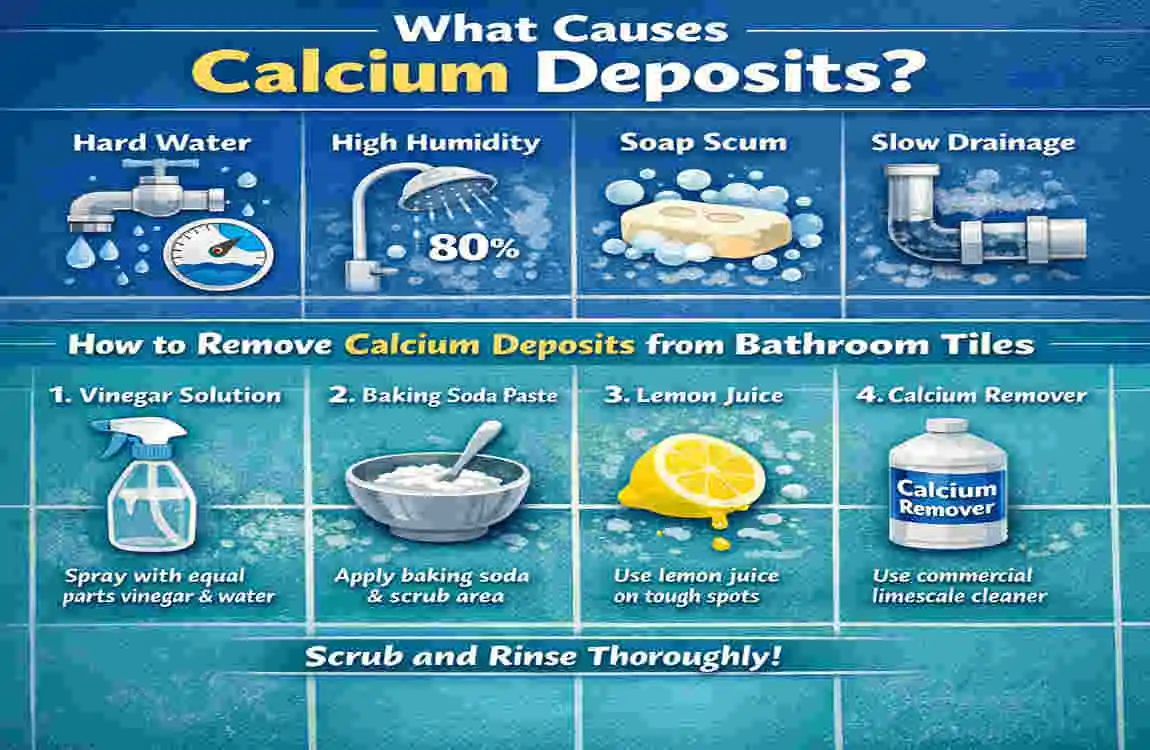
Calcium deposits are like that friend who leaves their dirty dishes in the sink for a week. They don’t move on their own. But don’t stress—you can dissolve them using stuff you probably already have in your kitchen. Think of lemon juice and vinegar as the bouncers at the club, politely showing calcium the door.
The Acid Test (Literally)
Calcium is alkaline, so it hates acid like a cat hates a bath. A good splash of white vinegar or lemon juice will make it cry uncle and dissolve. I once sprayed vinegar on my showerhead and walked away for an hour—when I came back, the water felt like it was singing Hallelujah. Just be careful: don’t use acid on marble or limestone, or you’ll have a bigger mess than a toddler with a crayon.
Must Read
For serious deposits—like those on a kettle or coffee maker—you need to let the acid marinate overnight. Mix one part vinegar to one part water, fill the gadget, and let it sit. Next morning, rinse it out and watch the flakes float away like tiny, victorious snowflakes. I once did this to my kettle and it brewed tea so clean I felt like a chemist.
The Baking Soda Backup Plan
Sometimes calcium hides in places you can’t reach, like inside a pipe or a shower head. That’s when you bring in baking soda—the Swiss Army knife of cleaning. Make a paste of baking soda and water, smear it on the deposit, and let it fizz like a science fair volcano. Then spray with vinegar for a double whammy that feels like a kitchen-level explosion of revenge.
 What Are Calcium Deposits The Guide To Calcium Buildup On Teeth 1311
I once used this method on an old garden hose nozzle that was completely blocked. After the fizzing stopped, water blasted out like a firehose—and nearly hit me in the face. Worth it. The same trick works on toilet bowl rings that look like ancient cave paintings. Just apply the paste, wait, scrub lightly, and flush away your troubles.
Commercial Cleaners: The Heavy Artillery
If your calcium deposits are thicker than your uncle’s roast beef sandwich, you might need a commercial descaler. Products with sulfamic acid or phosphoric acid are like bringing in a bulldozer for a stubborn weed. I once used a descaler on a coffee machine so encrusted it sounded like a sick cat—after treatment, it purred like a kitten. Just read the label, because you don’t want to accidentally melt your dishwasher’s soul.
For fish tanks or glass aquariums, stick to lemon juice only—vinegar can harm the sealant. I learned this the hard way when my goldfish gave me the side-eye for a week. Now I use a cloth soaked in lemon juice, let it sit on the glass line for ten minutes, then wipe like I’m polishing a diamond. Fish are judgmental, okay?
 Formidable Tips About How To Get Rid Of Calcium Build Up - Suspectpermit
The Everyday-Friendly Guide
Dissolving calcium doesn’t require a PhD or a hazmat suit—it just needs patience and a sour attitude (literally). Start with vinegar for most surfaces: it’s cheap, non-toxic, and smells like pickles for a day. Embrace the pickle smell—it means you’re winning. For extra stubborn spots, add baking soda for fizz power.
And here’s the best tip: prevention is your secret weapon. Wipe down wet surfaces after use, or install a water softener if your tap water is harder than a math test. I bought a cheap water filter for my kitchen faucet, and now my coffee pot looks younger than me. No more crusty grumbles every morning.
So next time you see calcium deposit staring at you from your sink, just pour a little sour magic on it. You’ll feel like a wizard who’s finally read the instructions. And if all else fails, move that faucet to the garage—it might just become a conversation piece. But seriously, start with a spray bottle of vinegar. It’s the easiest, cheapest way to tell calcium, “Pack your white crust and leave.”
