How To Remove Sulfate From Water

So, picture this: I’m at my aunt’s place, and she offers me a glass of water. I take a sip, and it tastes like someone melted a hard-boiled egg and mixed it with a pencil shav...

So, picture this: I’m at my aunt’s place, and she offers me a glass of water. I take a sip, and it tastes like someone melted a hard-boiled egg and mixed it with a pencil shaving. Lovely, right? She just shrugs and says, “That’s just the sulfur, honey. It’s good for you!” Spoiler alert: it’s not good for your taste buds, your pipes, or your patience.
That’s when I dove headfirst into the world of sulfate removal. Because while sulfur is a big part of life (literally, it’s in your hair and protein), having it in your tap water at high levels is a whole other story. It’s the rotten egg smell, the bitter taste, and sometimes even that dreaded "laxative effect" (yes, your bathroom runs might not be a coincidence). So, let’s get this stink out of your life.
First, Are You Sure It’s Sulfate?
Before you buy a fancy filter, let’s play detective. If your water smells like eggs but the smell disappears after a few minutes in a glass, it’s probably hydrogen sulfide gas, not sulfate. If the smell is constant and sticks around? Bingo, that’s sulfate (or sulfur bacteria).
Must Read
You can also test your water with a home kit—don’t be shy, grab one for $15 online. Knowing your enemy is half the battle, and the other half is not drinking something that reminds you of a gas leak.
Option 1: The Reverse Osmosis (RO) System
This is the big gun. RO systems force water through a semi-permeable membrane that traps sulfate ions like a bouncer at a club. It removes up to 99% of sulfates, plus other junk like lead and chlorine.
The downside? It’s slow (think trickle, not firehose) and wastes about 3 to 4 gallons of water for every gallon it cleans. Also, you’ll need to install it under your sink or as a whole-house unit. Not a weekend DIY project if you hate plumbing? Then call a pro.
But if you want water that tastes like actual, pure mountain spring—without the eggy vibe—this is your winner. Just be ready for the installation hassle and the initial cost (around $200–$600).
Option 2: Ion Exchange (Water Softeners)
You probably know water softeners for tackling hard water with calcium and magnesium. Well, savvy little machines, they can also swap sulfate ions for chloride ions. It’s like a chemical trade deal: “I’ll take your gross sulfate, and I’ll give you a bit of salt.”
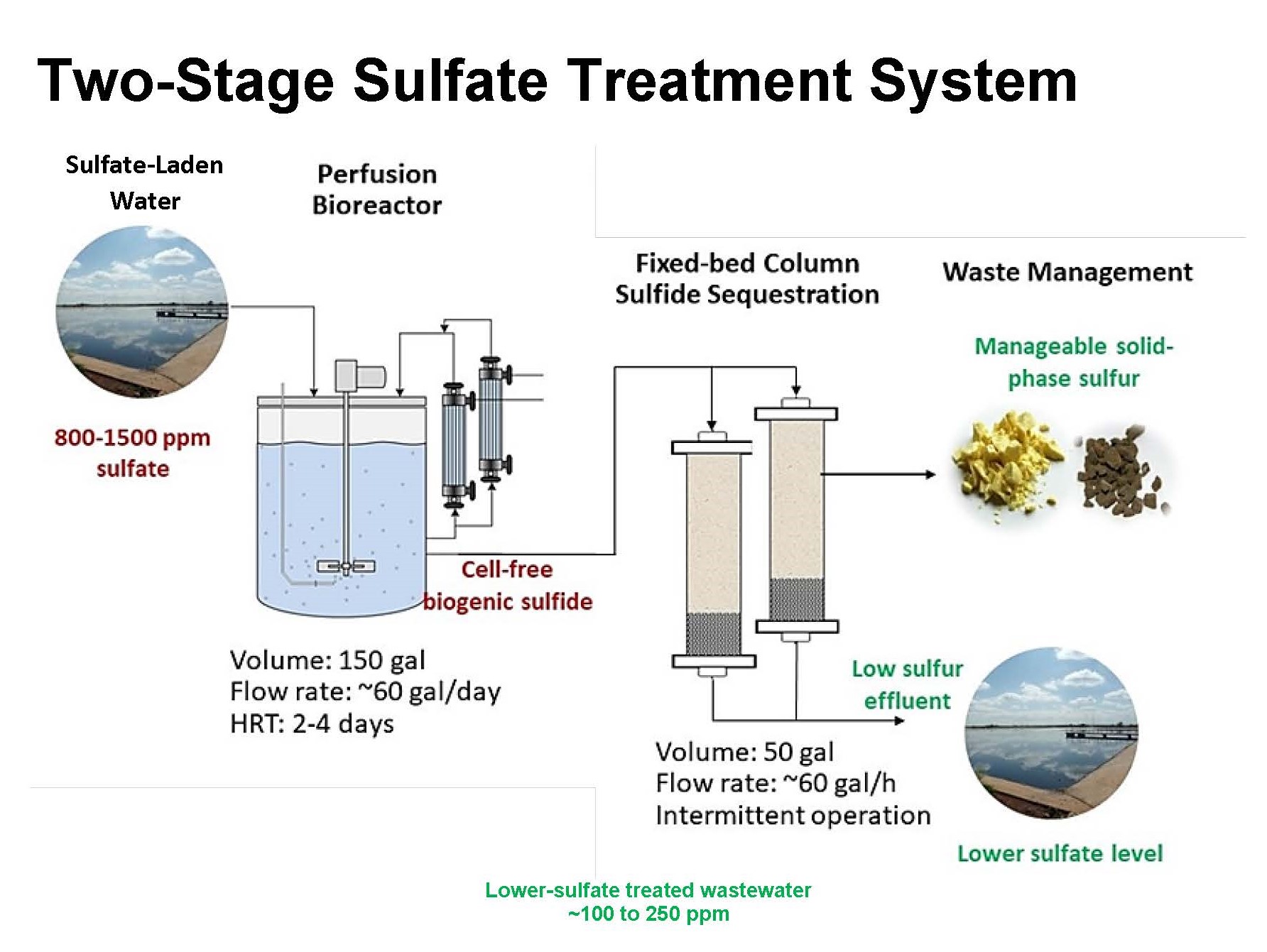 Delivering on sulfate remediation | Natural Resources Research Institute
This works best if your water is moderately high in sulfates (under 500 mg/L). If levels are super high (like 1,000+), the softener will get exhausted fast and need constant regeneration. And then you’re just flushing salt down the drain, which is not great for the environment or your wallet.
Also, check your soap—soft water makes lather explode, so you’ll use less detergent. That’s a nice bonus while you’re busy evicting the egg flavor.
Option 3: Distillation
This is the old-school, boil-it-away method. You boil water, collect the steam, and condense it into pure H2O. Sulfate, which doesn’t evaporate, stays behind in the boiling chamber like a stinky souvenir.
Distillation is brutally effective—it removes everything, including minerals you actually want (like magnesium and calcium). The result is very flat, tasteless water. You know, the kind that makes you miss the "ick" a little bit?
And it’s slow. Like, one gallon per hour slow. Great for emergency prep or a single drinking bottle, but not for your whole household shower. Use it as a supplement, not a solution.
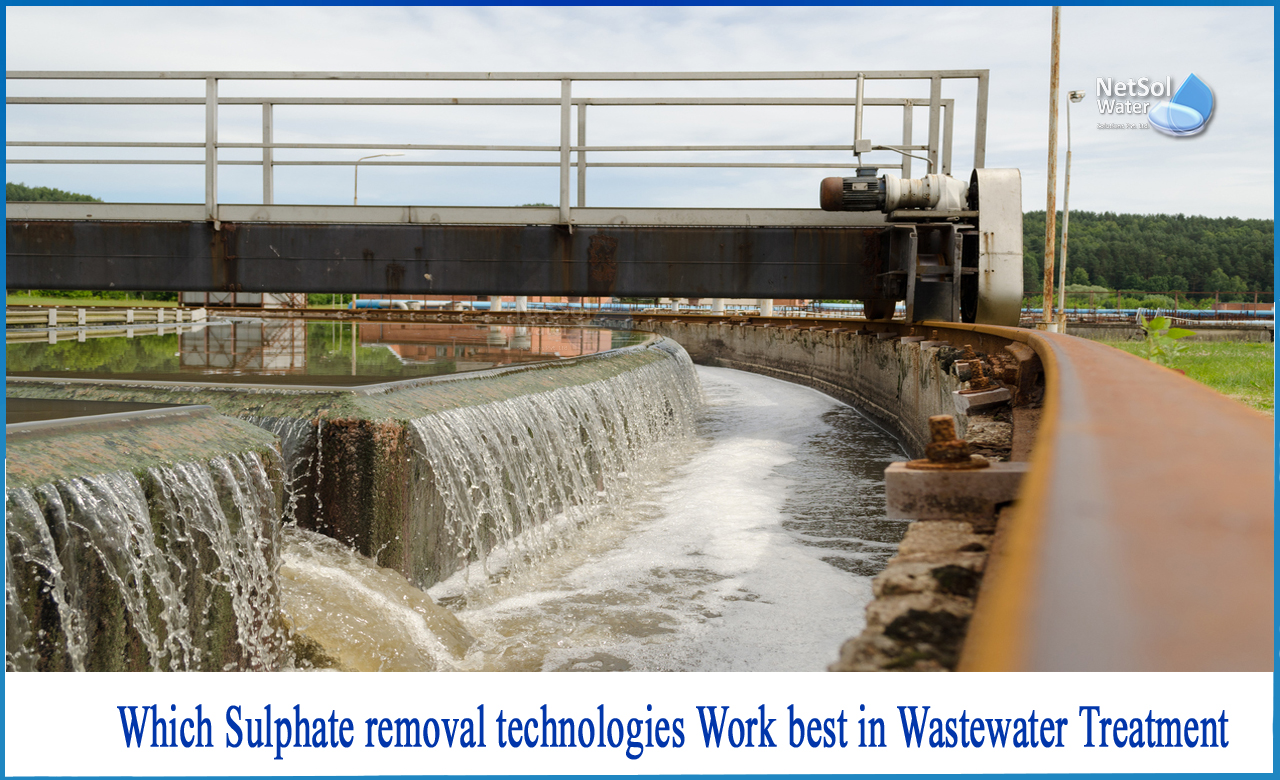 Sulfate Removal System , Sulfate Removal Technologies A Review – EGQZTF
Option 4: Replace the Well? (Kidding, But Not Really)
If you’re on a private well and the sulfate levels are astronomically high (over 2,000 mg/L), sometimes the cheapest long-term answer is to drill a new well into a different aquifer. Yes, it’s drastic.
But before you pick up a shovel, try the easier fixes first. A proper whole-house filtration system can handle most levels. Only go nuclear on your backyard if testing shows truly insane numbers—or if you just really want an excuse to dig a new hole. No judgment.
Maintenance & The Stubborn Stink
No matter which system you choose, remember: filters need love. If you ignore the cartridge, sulfate will eventually find its way back like an ex who doesn’t get the hint. Mark your calendar for monthly checks.
One more pro tip: if your water smells fine cold but stinks when heated (like in a shower), you might have a water heater issue, not a sulfate issue. The anode rod in your heater can breed sulfur bacteria. Swap that rod for an aluminum one—it’s a $30 fix that kills the smell instantly.
So, What’s the Verdict?
For most people, I’d say: get a reverse osmosis system for your drinking water (point-of-use), and pair it with a whole-house ion exchange softener if your sulfate levels are moderate. That combo covers taste and your shower’s scent.
If you’re broke or renting? Start with a distillation jug for your morning coffee. It’s slow, but it works. And hey, your aunt will stop offering you that egg water—which is a win in my book. Cheers to not smelling like a hot spring.
