Why Do We Put Fluoride In Water

You’re standing at the sink, brushing your teeth, and you catch a glimpse of your tap water. It looks innocent enough, right? But somewhere in that clear, tasteless liquid is...
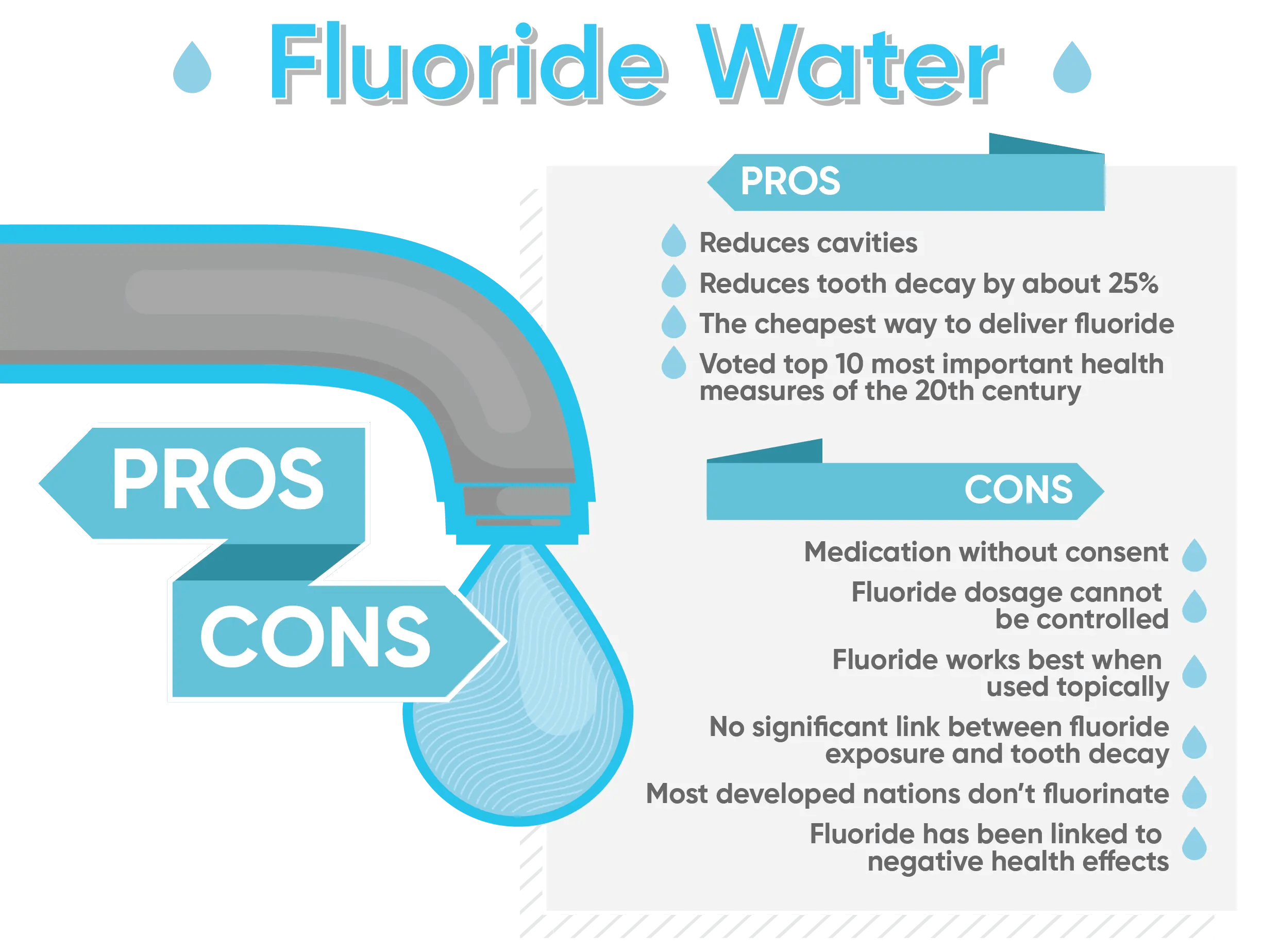
You’re standing at the sink, brushing your teeth, and you catch a glimpse of your tap water. It looks innocent enough, right? But somewhere in that clear, tasteless liquid is a tiny, invisible army of fluoride—a chemical that has sparked more dinner-table debates than pineapple on pizza. So, why do we put this stuff in our water? Grab a comfy chair, because the answer is weirder, funnier, and more fascinating than you think.
The Accidental Discovery That Changed Our Teeth
Back in the early 1900s, a dentist named Frederick McKay noticed something bizarre in Colorado Springs. Locals had brown, stained teeth—but surprisingly, they almost never got cavities. It was like a terrible paint job on an indestructible car. Scientists eventually figured out the culprit: naturally high levels of fluoride in the water. The brown spots? A harmless cosmetic effect called fluorosis. The zero cavities? That was the real gold.
So, in a classic “accidental genius” move, researchers thought, “What if we add just a tiny bit of fluoride to water—too little to cause brown stains, but enough to fight cavities?” It worked. By the 1940s, cities like Grand Rapids, Michigan, became giant dental experiments. The result? Cavity rates dropped by a whopping 60 percent in kids. That’s like finding a free, invisible dentist in your faucet.
Must Read
It’s Not Magic—It’s a Mineral Rehab for Your Teeth
Here’s the science, but I promise it’s not boring. Your teeth are made of a crystal-like mineral called hydroxyapatite. Sounds fancy, right? Well, every time you eat sugar or drink soda, bacteria throw a party in your mouth and produce acid that dissolves that mineral. Over time, your teeth get soft and tiny holes appear—hello, cavities! Fluoride jumps in like a bouncer at a rowdy club. It helps rebuild that lost mineral and even makes your tooth enamel stronger than before—like giving your teeth a tiny suit of armor.
Saliva naturally bathes your teeth in fluoride if it’s in your water, so you get protection all day, not just when you brush. Think of it as a 24/7 dental security guard who works for free. And the dose? Ridiculously low—about 0.7 milligrams per liter. That’s like putting one drop of food coloring in a swimming pool. It’s so safe that the CDC calls it one of the ten greatest public health achievements of the 20th century. Right up there with seatbelts and polio vaccines.
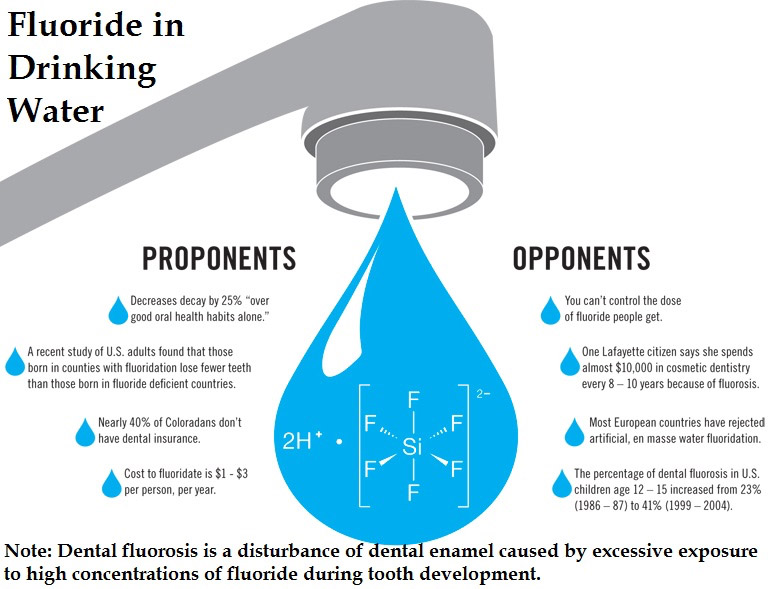 Water Fluoridation by Nima Alipour D.O. - Marque Urgent Care
But What About the Conspiracy Theories?
Ah, yes. The Internet has whispered that fluoride is a mind-control chemical used by the government. Let me stop you right there. If fluoride were a mind-control drug, we’d all be walking around in matching pajamas, craving kale and spreadsheets. Instead, we’re still arguing about whether pineapple belongs on pizza. The real conspiracy? The Nazis actually used fluoride in concentration camps to calm prisoners—but that’s a much higher dose than what’s in your tap. Our water level is so low it might as well be homeopathic. You’d have to drink a bathtub of fluoridated water every day for years to feel any effect. Good luck with that.
Another myth: “It’s a toxic waste product from aluminum factories!” Nope. The fluoride we use is pharmaceutical-grade, the same stuff dentists put on your teeth. The aluminum industry does produce fluoride as a byproduct, but we don’t use that—because that would be dumb. It’s like saying all salt is from a salt mine, but someone once put salt on a roadway, so now you shouldn’t eat French fries. Relax. Your fries are fine.
The Surprising Downsides—and Why They’re No Big Deal
Okay, I’ll be honest: fluoride isn’t perfect. If kids swallow massive amounts of toothpaste or drink fluoride-laced water in a region with naturally high levels, they can get those brown spots—fluorosis. But it’s almost always barely visible, like white specks on a tooth. And it’s purely cosmetic, not painful. In fact, severe fluorosis is rarer than a unicorn riding a bicycle. To get it, you’d need to live in a place like rural India where water naturally has ten times the fluoride we add. So yes, it’s possible, but for most of us, the biggest risk is a slightly chalky taste in your mouth from tap water.
 Fluoride in Tap Water: Does It Affect Hair Growth? - Hair GP
And here’s a kicker: some recent studies suggest that very high fluoride exposure might slightly lower IQ in kids—but that’s in places like China where water has 2 to 3 times the safe limit. At our levels? The evidence is so weak, it’s like trying to prove that eating one potato chip makes you obese. The World Health Organization and American Dental Association still say it’s safe and effective. But hey, if you’re worried, you can always buy bottled water without fluoride. Just know you’re missing out on the world’s cheapest, most convenient dental insurance.
The Final Verdict: Should We Keep Doing It?
Imagine a world where every time you drink water, you’re also brushing your teeth a little bit. That’s what fluoridation does—especially for poor communities that can’t afford dentist visits. Without it, cavities would skyrocket, and we’d all be selling our kidneys for fillings. The evidence is so overwhelming that more than 400 million people in over 30 countries drink fluoridated water. It’s not perfect, it’s not a cure-all, and it’s not a government plot. It’s just a clever, cheap hack for stronger teeth.
So next time you gulp from the tap, give a little nod to the ghost of that Colorado dentist. He didn’t mean to stain anyone’s teeth—he just wanted us to keep smiling. And hey, if you’re still not convinced, just remember: you’re already getting fluoride from tea, spinach, and even grapes. The water is just the icing on the cake. Or should I say, the glaze on the tooth? You get it. Cheers!
