Why Do Electrolytes Taste Salty

Why Your Electrolyte Drink Tastes Like the Ocean You’re parched after a sweaty yoga flow or a long dog walk. You crack open a vibrant blue electrolyte drink, take a sip, and...

Why Your Electrolyte Drink Tastes Like the Ocean
You’re parched after a sweaty yoga flow or a long dog walk. You crack open a vibrant blue electrolyte drink, take a sip, and boom—it’s salty. Not just a little salty, but distinctly like someone poured a dash of seawater into your tropical punch.
This isn’t a manufacturing error or a trick of your taste buds. It’s actually the entire point. Electrolytes are literally salts, and understanding why they taste that way can make you appreciate that briny kick a whole lot more.
Chemistry in a Cup: What Are Electrolytes, Anyway?
Think of electrolytes as your body’s tiny electrical spark plugs. They are minerals like sodium, potassium, calcium, and magnesium that dissolve in your body fluids and carry an electric charge.
Must Read
When you sweat, you lose these charged minerals, especially sodium. That’s why your skin tastes salty after a hard workout—you are literally tasting your own electrolytes.
So when you drink a commercial electrolyte mix, you are dosing your body with pure, mineral-rich salts. Your tongue, being the honest biological sensor it is, simply reports what’s there: saltiness.
The Science of the Sip: Why Sodium Is the Star
Not all electrolytes taste equally salty. Sodium chloride—table salt—is the heavy lifter here. It is the most abundant electrolyte lost in sweat.
Your taste buds have specific receptors for sodium ions. They fire a signal straight to your brain that says, “Alert! Salty incoming!” This is an ancient survival mechanism; your body needs sodium to maintain fluid balance and nerve function.
Interestingly, other electrolytes like potassium can taste slightly bitter or metallic when concentrated. That’s why brands often mask them with sweeteners, citric acid, or fruit flavors—to make the salty sodium more palatable.
Cultural Context: Gatorade, IVs, and the Sea
Think back to the first time you saw a Gatorade commercial in the 90s. They marketed the drink as sweet and energizing, but real athletes knew the back label was full of salt.
Fun fact: The original Gatorade formula was developed for the University of Florida Gators football team in 1965. The early batches tasted so salty that players complained, leading to the addition of lemon juice and sugar to balance it.
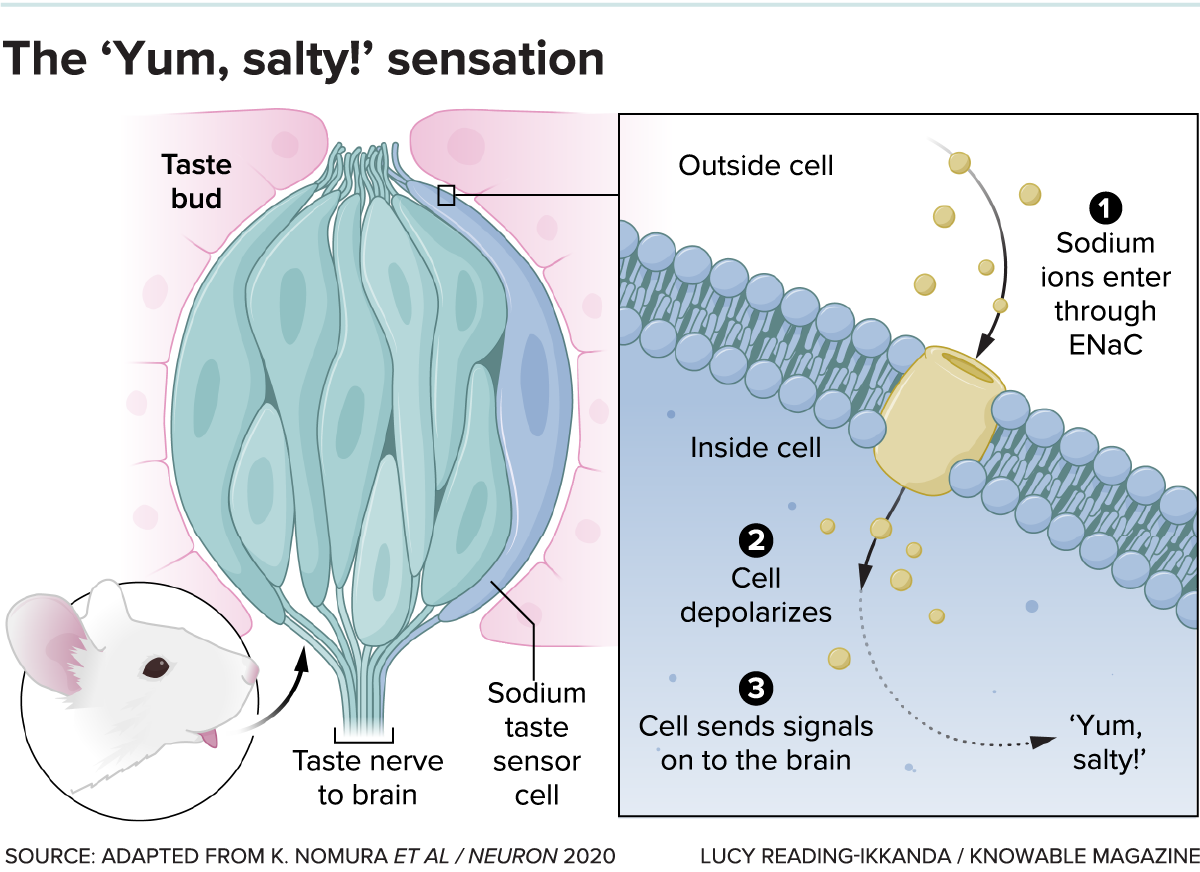 Salt taste is surprisingly mysterious | Knowable Magazine
Even in modern cocktail culture, the salty rim of a margarita is a culinary nod to electrolytes. The salt actually enhances the citrus flavors and helps you rehydrate faster while you sip on vacation. Smart bartenders know this.
Practical Tips: How to Embrace the Salt
If you find electrolyte drinks too intense, you are not weak—you just have sensitive taste buds. Start by diluting the mix with extra water. Your body will still absorb the minerals, just more slowly.
Try making your own electrolyte drink at home. Combine a pinch of sea salt, a squeeze of lemon, a splash of maple syrup, and water. It tastes like a gentle, salty lemonade. No chemical aftertaste.
A fun little fact: The salinity of a standard electrolyte drink is roughly one-third to one-half the saltiness of seawater. Next time you’re swimming in the ocean, licking your lips will give you a surprising flashback to your water bottle.
The Myth of “No Salt” Hydration
Many people reach for plain water after exercise, thinking that’s the purest hydration. But without electrolytes, you are just diluting your blood sodium levels.
This can lead to a condition called hyponatremia, where you feel bloated and dizzy. That salty taste is your body’s way of saying, “Thank you, I needed that sodium top-up.”
A good rule of thumb: If you are sweating in humid weather or for over an hour, choose a drink that tastes at least slightly salty. Your thirst will thank you later.
 The Func. Lab Daily Electrolytes - Salty Citrus Lemon | 30 Sachets
Fun Fact: The Salty Snack Connection
Ever notice how after a night of drinking, you crave salty chips or pretzels? That’s your body’s primal electrolyte craving talking.
Alcohol is a diuretic, flushing out your sodium stores. Your brain sends a signal to eat something salty, often leading you to a bag of potato chips. Pair that with a sports drink, and you have a classic recovery hack.
In Japan, it’s common to see salt plum candies sold at convenience stores for hot summer days. They are intensely salty-sour, designed to quickly replenish electrolytes. It’s a genius, portable solution.
Connecting the Dots: From the Bottle to Your Life
So next time you take a gulp of that neon-colored drink and grimace at the saltiness, remember: you are not drinking a soda. You are consuming ancient ocean minerals in liquid form, crafted to keep your heart beating and your muscles moving.
That salty taste is the sound of your cells saying, “Yes, please.” It’s the taste of survival, packaged in a bright bottle with a cute label.
A Final Reflection
Think about how much we avoid salt in our daily diets, yet our bodies scream for it when we are depleted. It’s a beautiful irony. The same mineral that makes our french fries good is also the one that keeps us upright during a hot hike.
Perhaps the lesson is simple: Listen to your taste buds. If something tastes salty and you just ran five miles, it’s probably exactly what you need. Life is all about balance—even when that balance tastes a little bit like the ocean.
So sip your salty drink with pride. You are not just rehydrating. You are plugging yourself back into the electrical grid of life. And honestly? That’s pretty cool.
