Why Is Well Water Safe To Drink

Okay, grab your mug. Let’s talk about well water. You hear people say, “Oh, I only drink well water,” like they’re part of some secret mountain club. But is it actually safe?...
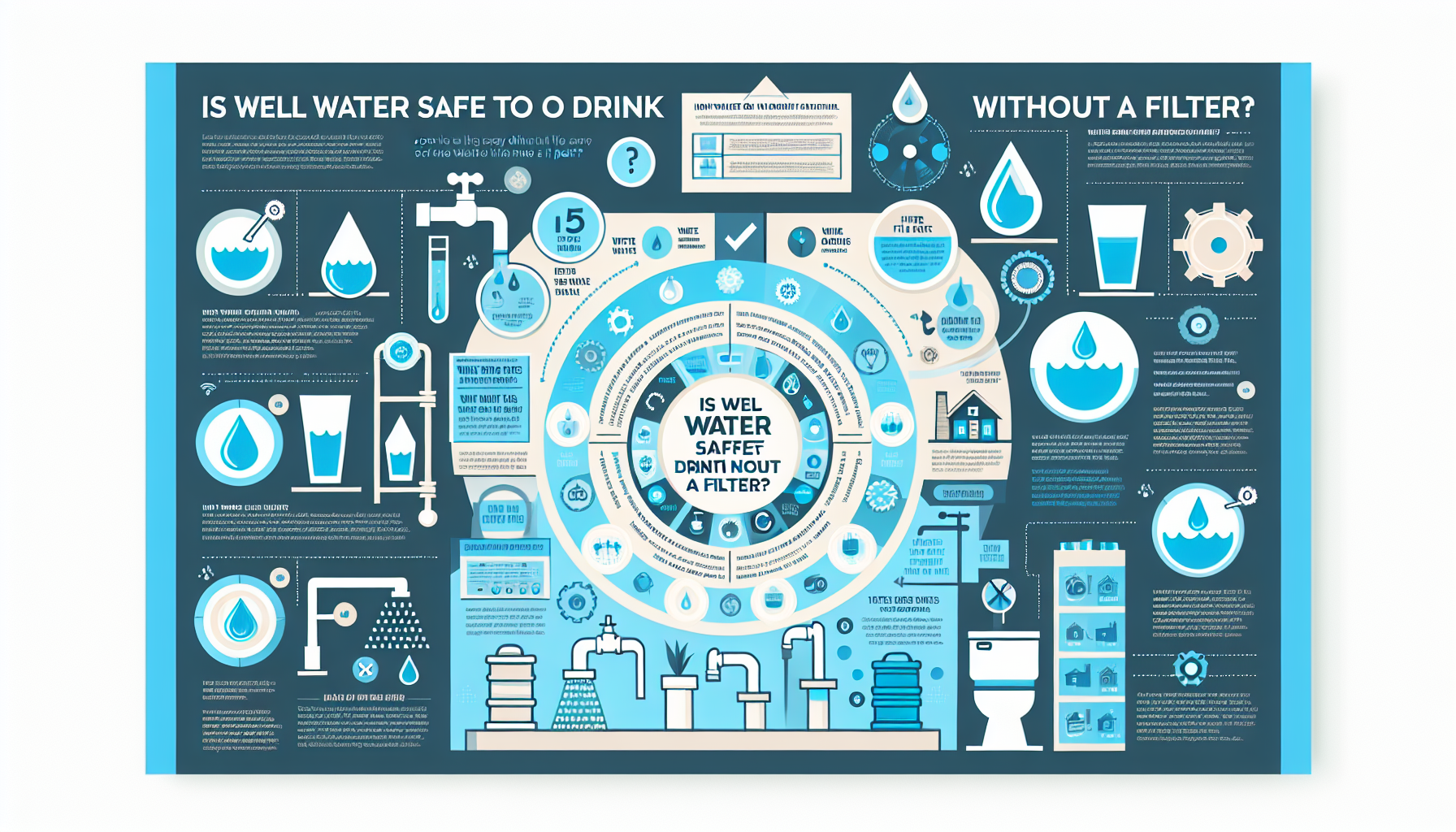
Okay, grab your mug. Let’s talk about well water. You hear people say, “Oh, I only drink well water,” like they’re part of some secret mountain club. But is it actually safe? Short answer: Yes, when it’s done right. But it’s not magic—it’s science with a side of common sense.
The Big Filter We Call Dirt
Here’s the thing. Rain falls, soaks through layers of sand, gravel, and rock. By the time it reaches your well, it’s been naturally filtered for years. That’s like having a Brita the size of a football field.
No chlorine, no fluoride, no “municipal treatment plant taste.” Just water that’s been scrubbed by Mother Nature herself. Pretty cool, right?
Must Read
But—and this is a big but—that filtering only works if your well is properly constructed. Cracks in the casing? That’s like inviting the neighborhood bacteria to a pool party.
Where’s The Germ Squad?
City water gets zapped with chlorine or UV light. Well water? It relies on depth and separation. Your well should be drilled deep enough to avoid surface runoff from cow pastures, septic tanks, or your neighbor’s mysterious backyard project.
Think of it this way: Deeper isn’t always better, but deeper is almost always safer. A shallow well is like a kiddie pool during a storm. A deep, cased well? That’s a fortress.
Oh, and you also need a good seal at the top. Otherwise, frogs and field mice start contributing to the water supply. No thank you.
But Wait—What About Minerals?
Well water is basically liquid rock juice. It picks up calcium, magnesium, and iron as it travels. That’s not a bug—that’s a feature. Those minerals can make your water taste crisp and even help your bones.
But too much of a good thing? Yeah, that’s a thing. High iron makes your laundry look like a rust farm. Hard water? Say goodbye to silky hair and hello to mineral deposits on your shower door.
 Benefits of drinking water | Fit Body By George
Still, these are nuisances, not safety hazards. You can fix them with a softener. Safety-wise, you’re usually fine.
So, Is It Always Safe?
Nope. That’s the boring, honest truth. Well water is only safe if you test it regularly. I’m talking at least once a year. Check for bacteria, nitrates, lead, and arsenic. Yes, arsenic—it’s natural, but nasty.
You don’t need a lab coat. Just grab a testing kit from your local health department or a certified lab. It’s cheap peace of mind. Think of it like a dental checkup, but for your water.
And if you live near farms, fracking, or old mines? Test more often. Please. I’m not trying to scare you, but contaminated well water is real. It’s just usually preventable.
The “Dirt” on Taste
Okay, let’s be honest. Some well water tastes amazing. Like, “I would pay for this in a fancy glass bottle” amazing. Other well water tastes like a wet rock that’s been sitting in a barn.
That sulfur smell? That’s hydrogen sulfide. Totally harmless, but it smells like a swamp fart. A simple carbon filter or aerator fixes that. You don’t have to live with stinky water.
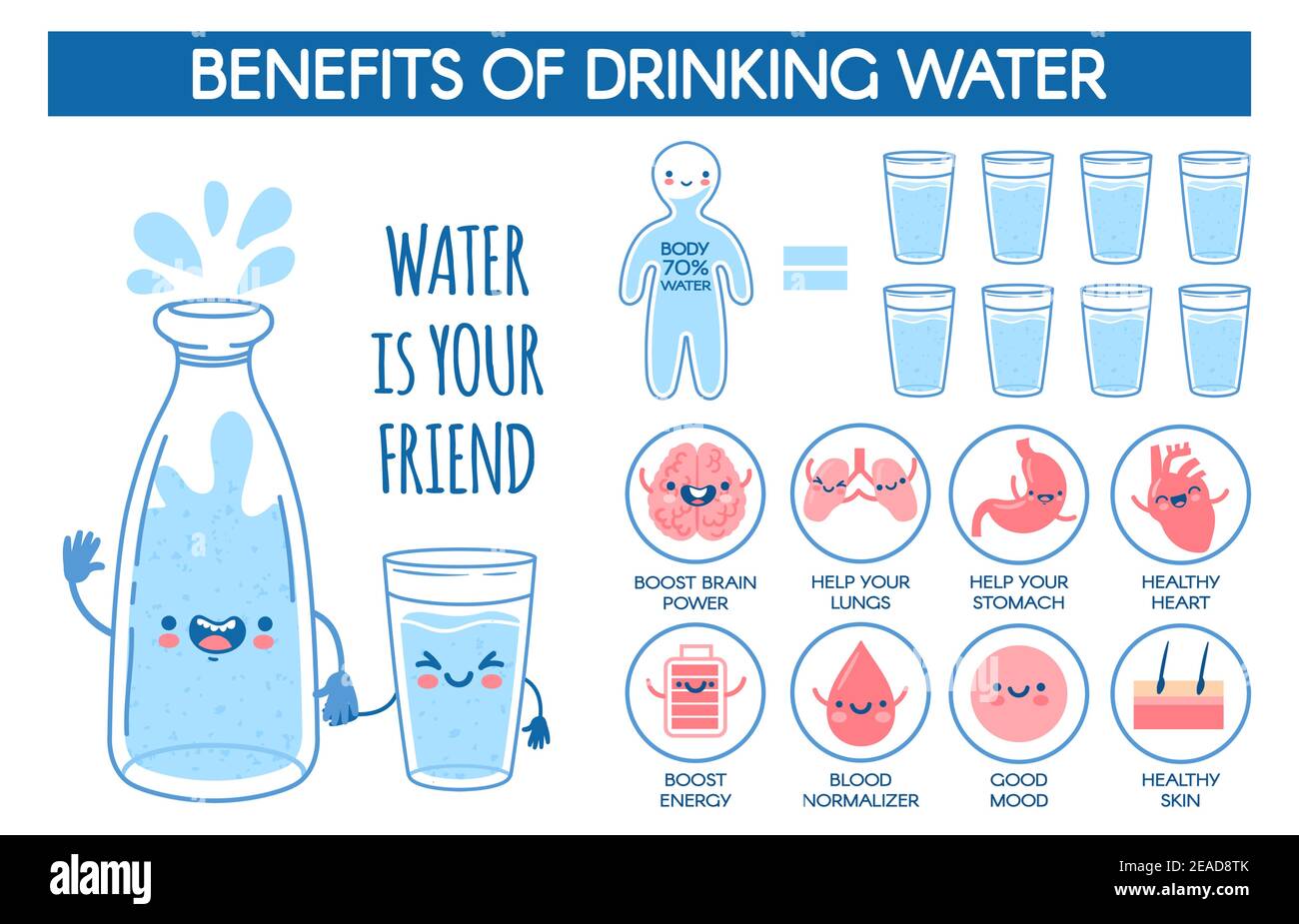 What Water Is The Healthiest To Drink
And if your water looks brown after a rainstorm? That’s usually just surface runoff. Your well might need a better seal or a deeper pump. Call a pro. Do not just shrug and drink muddy water. You’re not a goat.
What About Kids And Pregnant People?
This is where I stop joking. Infants and pregnant women are more vulnerable to nitrates and bacteria. If you’re expecting or have a baby at home, test your well water for nitrates before they drink it.
Boiling doesn’t remove nitrates—it actually concentrates them. So don’t just boil your worries away. Use a reverse osmosis system or buy bottled water for the little one until you know.
Otherwise, healthy adults can enjoy well water for decades. I’ve drunk it my whole life. My teeth aren’t falling out. Yet.
The Bottom Line (No Pun)
Well water is safe when you own the responsibility. City water has a team of engineers. You are the engineer, the plumber, and the quality control manager. But you also get delicious, chemical-free water that doesn’t taste like a swimming pool.
So test it. Maintain your pump. Seal that cap. And don’t freak out if it gets a little funky now and then—just fix it.
Now go drink a glass. But maybe run it for a second first. Nobody likes sediment floaters in their morning coffee. Cheers.
