Why Does Sulfur Smell Like Eggs

Ever cracked open a hard-boiled egg, taken a whiff, and thought, “Wow, that’s… a lot.” You’re not alone. That pungent, unmistakable aroma is one of the most famous smells in t...
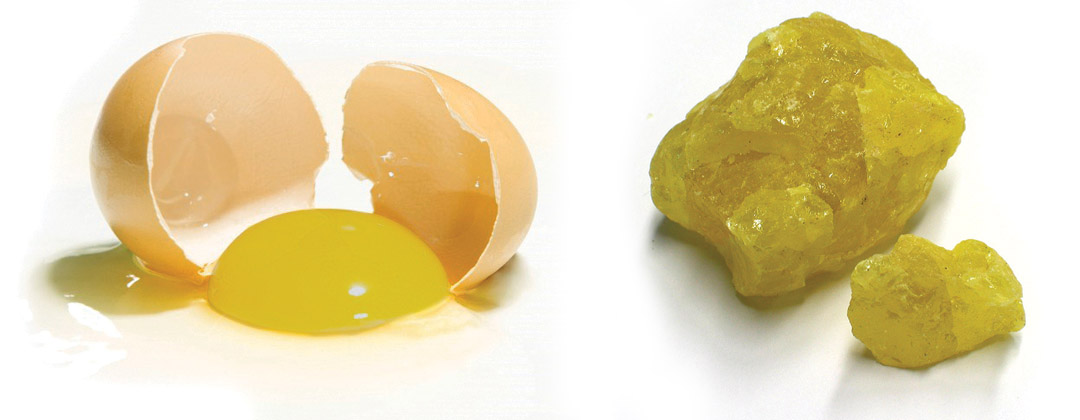
Ever cracked open a hard-boiled egg, taken a whiff, and thought, “Wow, that’s… a lot.” You’re not alone. That pungent, unmistakable aroma is one of the most famous smells in the world.
But here’s the funny thing: eggs don’t actually smell like that when they’re fresh. So what gives? Why does a perfectly innocent food suddenly turn into a stink bomb?
It’s Not the Egg—It’s the Sulfur
The culprit is a tiny, mischievous element called sulfur. Sulfur is everywhere—in the ground, in your body, even in your hair. But when it gets in the right mood, it creates that classic “rotten egg” vibe.
Must Read
Think of sulfur as the party guest who smells fine when they arrive, but after a few hours, things get… ripe. Inside an egg, sulfur is locked up in proteins. Heat from cooking sets those proteins free, and then the magic—or mischief—begins.
The Hot Chemistry Behind the Stink
When you boil an egg, a chemical reaction happens between two things: hydrogen and sulfur. The heat forces them to mingle, and they form a new gas called hydrogen sulfide. That’s the fancy name for “smells like a rocky tide pool mixed with a burnt match.”
Ever noticed how an overcooked egg smells even worse? That’s because you’re giving the reaction more fuel. The longer you boil, the more hydrogen sulfide you create. It’s like blasting that same bad song on repeat—the smell gets louder and more intense.
But Why Does It Stick Around?
Here’s the cool part: your nose is a drama queen when it comes to sulfur. Humans can detect hydrogen sulfide at incredibly tiny amounts—like one part per billion. That’s like finding one specific person in the entire population of China.
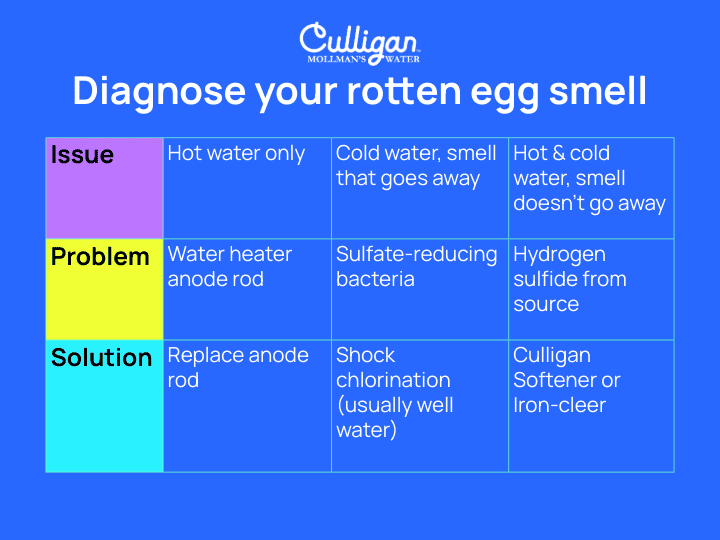 Sulfur - Rotten Egg Smell in Water | Culligan Oklahoma City
Why? Because back in caveman days, a whiff of sulfur might mean rotten meat or a poisonous gas pocket. Your ancestors who were extra sensitive to it survived longer. So that stink? It’s your inner caveperson saying, “Danger, Will Robinson!”
It’s Not Just Eggs—It’s Everywhere
Here’s where it gets weird: that same “eggy” smell pops up in totally random places. Volcanoes fart it out. Hot springs? Yep, that’s hydrogen sulfide too—it’s what makes geothermal pools smell so distinctive. Even your own flatulence gets its signature note from the same sulfur compounds.
So next time you blame an egg, remember: nature loves recycling scents. The smell in your kitchen is chemically identical to a Yellowstone geyser. How’s that for a dinner table conversation starter?
Is It Dangerous? (Or Just Annoying?)
Don’t panic. The tiny amount in a boiled egg is harmless—just unpleasant. Your brain goes “Ew, don’t eat that,” but your stomach knows it’s perfectly fine. It’s like a false alarm from a smoke detector that’s too sensitive.
 PPT - Mineral Identification PowerPoint Presentation, free download
But here’s a fun fact: if you forget an egg in the back of your fridge for three months, that hydrogen sulfide builds up until it becomes genuinely toxic. At that point, the smell isn’t just gross—it’s survival instinct screaming, “Throw this out, you maniac!”
How to Be a Sulfur Ninja
Want less stink? Don’t boil your eggs forever. Six to eight minutes is the sweet spot for a hard-boiled egg. Also, run cold water over them right after cooking—this stops the sulfur reaction in its tracks. And please, for the love of breakfast, eat them fresh.
Alternatively, just embrace it. That funky smell is the universe reminding you that chemistry is happening right now, in your kitchen, over your breakfast. It’s a tiny, volcanic miracle on your plate.
So, What’s the Takeaway?
That smell isn’t an insult—it’s an education. Sulfur is just a bored element looking for a reaction, and your nose is the superhero that catches it in the act. Pretty cool, right?
Next time you peel an egg and get that whiff, don’t cringe. Smile and think, “Ah, hydrogen sulfide. Good to see you again, old friend.” Then maybe open a window. You don’t have to be that chill about it.
