Where Does Hose Water Come From

You’re standing in your backyard, thumb pressed against the nozzle, watching a cool arc of water drench your thirsty tomato plants. It feels simple, almost magical. But where...
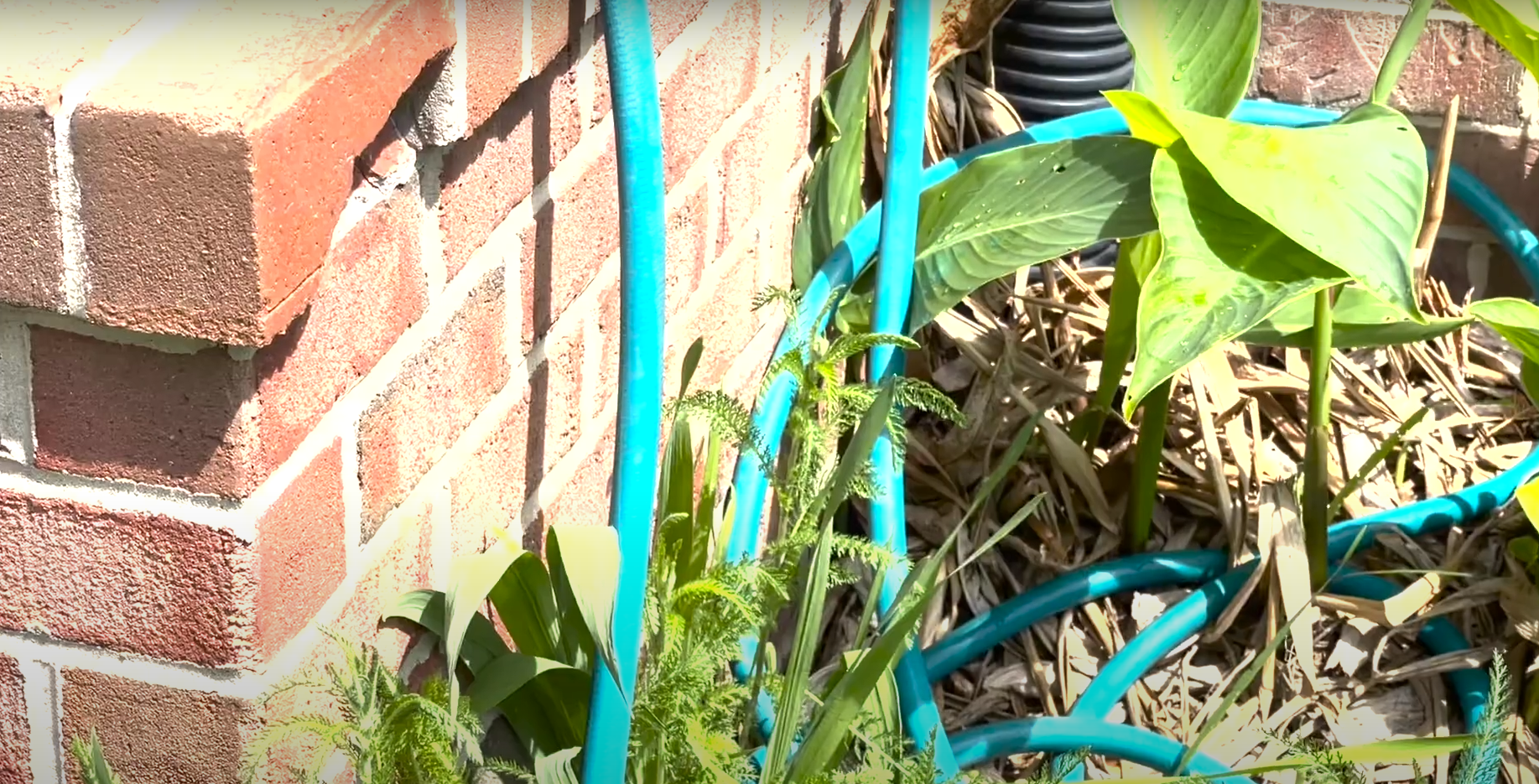
You’re standing in your backyard, thumb pressed against the nozzle, watching a cool arc of water drench your thirsty tomato plants. It feels simple, almost magical. But where does that hose water actually come from? The truth is less mystical and far more fascinating than you’d think.
Every single drop that gushes from your garden hose has a backstory—a journey that started miles away, often in a hidden reservoir, a deep aquifer, or a protected river. It’s a story of engineering, ecology, and a whole lot of pressure.
The Great Underground Highway
First, a quick geography lesson: your hose water isn't just "city water." It’s either surface water from lakes and rivers, or groundwater pulled from underground aquifers through deep wells. About two-thirds of Americans get their water from surface sources, while the rest tap into ancient underground reserves.
Must Read
That water then enters a sprawling municipal system—a network of pipes, pumps, and treatment plants—that operates like a secret underground highway beneath your street. It’s the same water you drink, shower with, and wash your car in, just being redirected for a different kind of adventure.
The Detour to Your Spigot
Before that water reaches your hose, it gets a serious makeover at a water treatment facility. Picture a high-tech spa for H₂O: it’s screened, filtered, and treated with chemicals to remove sediments, bacteria, and tiny particles. The goal is to make it safe and clear for human use.
From there, it enters the distribution system, a maze of pipes under constant pressure. Gravity does a lot of the heavy lifting—reservoirs are built on hills to create natural pressure—but huge pumps also push water across flat ground. That’s why you feel that steady force when you turn the spigot.
The Surprising Role of Your Neighbor’s Lawn
Here’s a wild fact: the water pressure in your hose is directly affected by how many people in your neighborhood are watering their gardens at the exact same time. It’s called peak demand, and it’s why your flow might weaken on a hot Saturday afternoon.
During a heatwave, entire communities can stress the system. Some cities have to issue watering bans just to keep the water pressure stable for fire hydrants and essential services. Next time your hose dribbles, blame the whole block.
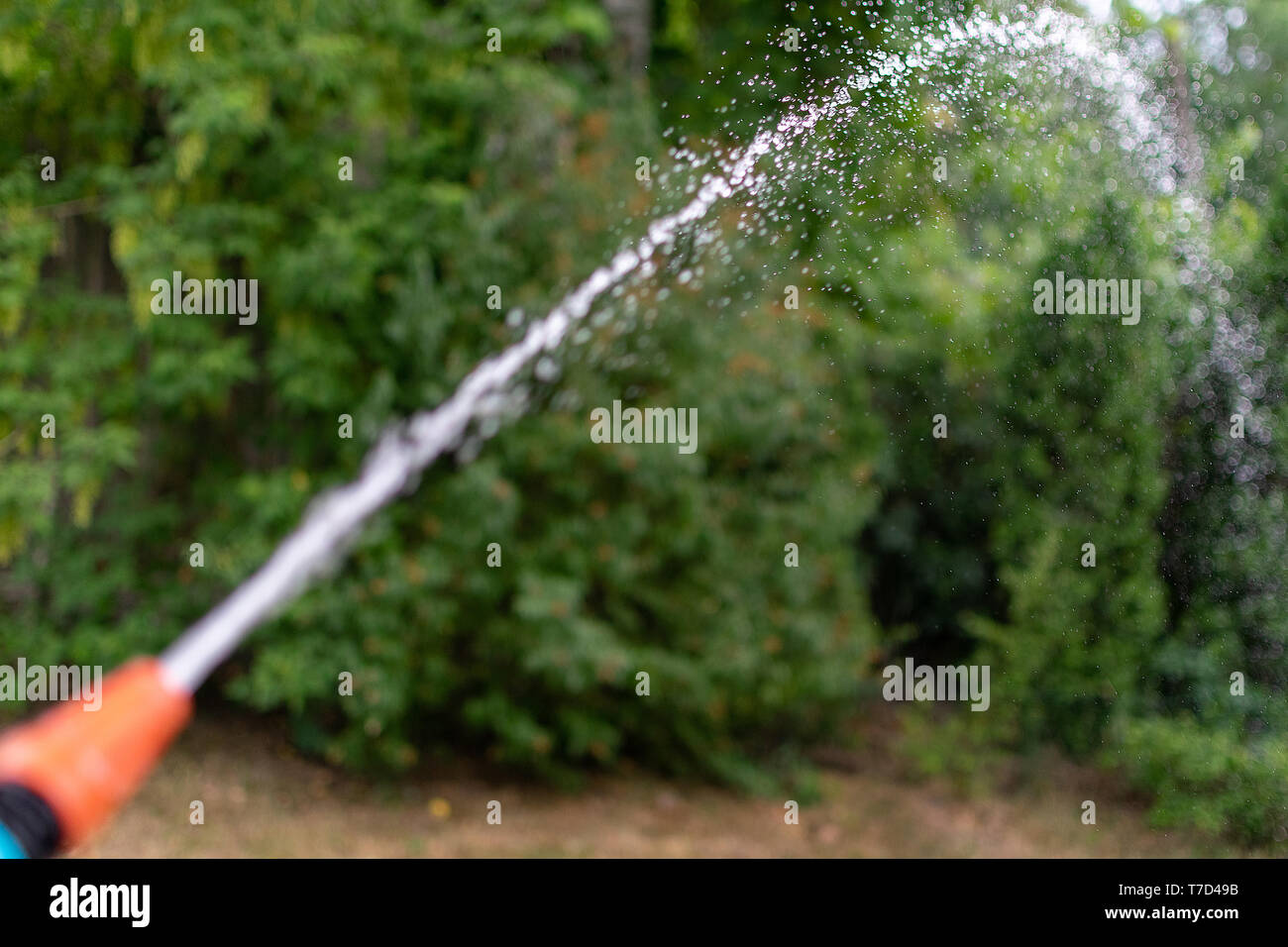 Stream Of Water From Hose
Fun Facts to Spray Around
Did you know that the first garden hoses were made of rubber and leather from the 1800s? They were luxury items, not staples. Today, the average hose runs for about 15,000 feet of water per season—that’s nearly three miles of liquid!
And here’s a cultural nugget: in drought-prone regions like California, homeowners often collect “graywater” (recycled from sinks and showers) to use for hoses. It’s a clever, eco-friendly twist on the old-fashioned well.
Practical Tips for Water Wisdom
Now that you know where it comes from, here’s how to use it smarter:
1. Don’t let it run. That initial splash of water sitting in the hose on a hot day can be warm and stale. Let it run for a few seconds before watering your plants—it’s better for them and for you.
2. Install a shut-off nozzle. This simple $10 gadget saves gallons of water every minute your hose is idle. It’s a small change with a big impact.
 Is Hose Water the Same as Tap Water? - GardenProfy
3. Water early or late. The best time to hose your garden is at dawn or dusk. Less evaporation means more water actually reaches the roots, and your local water system will thank you for not spiking peak demand.
A Quick Note on Kinks
Ever wonder why kinked hoses drive you nuts? It’s because a kink creates a blockage that stops the flow entirely. That high-pressure water hits a dead end, and the hose balloon-like swell. Unkink it, and the pressure releases instantly—a tiny lesson in fluid dynamics.
Cultural Crossings
The garden hose is an unlikely icon. In The Great Gatsby, Gatsby hoses his lawn in water from his mansion’s own well—a symbol of wealth. In modern suburbia, the hose is a symbol of summer, of carefree afternoons, and of the simple joy of making mud.
In Japan, people use hoses with misting nozzles to cool their homes during summer, a practice called uchimizu. In the Middle East, hoses are often used for small-scale irrigation of date palms, connecting ancient traditions with modern convenience.
The Final Drop
So, where does hose water come from? It comes from the rain that fell hundreds of miles away, from the snow that melted on a distant mountain, or from a hidden aquifer that has been soaking underground for centuries. It comes through filters, pipes, and pumps, all coordinated by unseen workers and engineers.
Next time you water your garden, take a second to appreciate the journey. That stream of water isn’t just a utility—it’s a connection to the world’s great water cycle, to your community, and to a long history of human ingenuity. It’s wet, it’s wonderful, and it’s always worth a moment of gratitude.
