How Does A Water Dispenser Work

Let’s be honest: we don’t think about water dispensers. They sit in office corners, gym lobbies, and kitchen counters like quiet, beige furniture. Yet, every time you press th...

Let’s be honest: we don’t think about water dispensers. They sit in office corners, gym lobbies, and kitchen counters like quiet, beige furniture. Yet, every time you press that little red or blue button, a miracle of engineering delivers cold, hot, or room-temperature refreshment in seconds. It’s time we gave this humble machine its moment in the spotlight.
So, what actually happens when you push that button? At its core, a water dispenser is a mighty plumbing system in a compact box. Whether it’s a top-loading bottle unit or a sleek, plumbed-in model from Korea or Italy, the basic physics are surprisingly simple: gravity and pressure do the heavy lifting.
The Two Tribes: Bottled vs. Bottleless
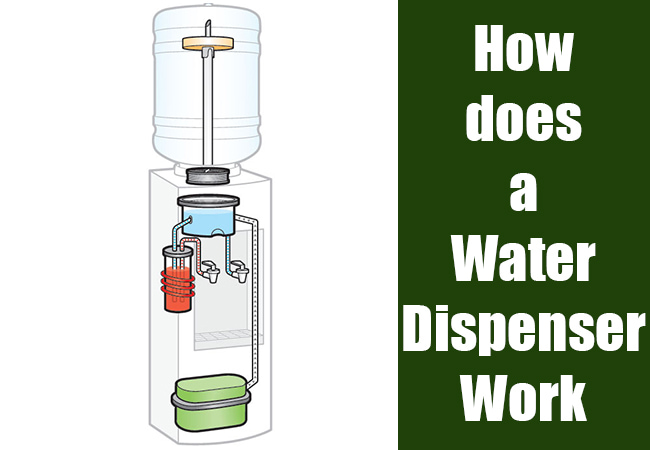
Walk into any breakroom and you’ll find one of two types. The first is the classic bottled water dispenser, where a giant jug sits upside down on top like a comical hat. Gravity pulls the water down into a reservoir, and a valved mechanism waits patiently for your finger.
Must Read
The second tribe is the bottleless or point-of-use (POU) dispenser. It connects directly to your building’s water line. Think of it as a luxury faucet that also filters, heats, and chills your tap water. No heavy lifting, no plastic waste—just endless, filtered flow.
Fun fact: The first modern water dispenser was patented in the early 1900s, but it was the post-WWII boom of office culture that made the “water cooler” a universal symbol of workplace chit-chat.
How the Magic Happens: Hot and Cold
Let’s break down the two core systems. For cold water, the dispenser uses a small compressor—like a tiny, dedicated refrigerator. Inside, a refrigerant gas cycles, pulling heat away from the water tank and dumping it out the back. That’s why you sometimes feel warm air near the unit.
For hot water, the system is even more charming. Inside the machine, a sealed stainless steel tank contains an electric heating element. It’s basically a miniature kettle that holds a reservoir of near-boiling water, always ready for your instant soup or tea.
A clever valve system ensures that hot and cold chambers never mix. You won’t accidentally scalded yourself with cold water from the red tap—most of the time. The safety interlock on modern dispensers (like the child-proof push-and-hold button) is a stroke of design genius.
 How Does The Water Dispenser In My Fridge Work at Ronda Bennett blog
The Filter Factor
If you’re using a POU dispenser, the filter is the unsung hero. Most use a combination of activated carbon and a sediment filter. The carbon traps chlorine, bad tastes, and microscopic nasties, while the sediment catches sand or rust from old pipes.
Some high-end models add UV light or reverse osmosis for the ultimate purity. In Tokyo and Stockholm, some offices use dispensers that even mineralize the water for a “premium” mouthfeel. It’s like having a tiny spa for your hydration.
Practical tip: Change your dispenser’s filter every six months. If you live in a hard-water area, descale the hot tank every three months with white vinegar. Your coffee will thank you.
The Cultural Water Cooler Moment
Let’s be honest: the water dispenser is a social stage. It’s where you overhear the gossip about Friday’s layoffs, where you awkwardly delay small talk with the HR manager, and where you realize the last person used the hot tap for their ramen and left a sticky mess. In many cultures, offering a guest water from a dispenser is a sign of hospitality as old as offering tea.
In fact, in South Korea, smart water dispensers are status symbols. They dispense sparkling, cold, and hot water at the touch of a sensor, and some even keep track of your daily intake. Meanwhile, in a Brooklyn start-up, a dispenser might be the only appliance that gets wiped down daily—because nobody wants to be the one who assigns shared fridge scrubbing duty.
 How Does A Water Dispenser Work? Quora, 45% OFF
Quick cultural reference: In the movie Office Space, the water cooler is where passive-aggressive notes and crushed red staplers meet. It’s the silent witness to office life.
Practical Tips for Your Dispenser
First, clean the drip tray. That little plastic grid under the spigot is a microbial playground. Wash it with hot, soapy water every week. Second, if you have a bottled dispenser, never lift the bottle by its neck alone—use both hands, or invest in a pump.
Third, listen to your machine. If you hear a whining noise from the compressor, it might be low on refrigerant. If hot water comes out lukewarm, the thermostat might need resetting. Most manufacturers offer a reset button on the back panel—it’s the “turn it off and on again” of the water world.
Finally, consider the energy cost. An old, leaky dispenser can waste as much electricity as a small fridge. Look for Energy Star-rated models, or set a timer so it only heats water during work hours. Your landlord and the planet will both appreciate it.
A Short Reflection
So, the next time you press that button and hear that satisfying click, remember the invisible dance of pressure, heat, and cold happening inside. A water dispenser is a small machine that turns a basic need into a ritual. It’s the moment you pause between tasks, hydrate yourself, and maybe share a nod with a stranger.
It’s not just water. It’s the quiet engineer of your daily rhythm—a fountain of convenience that keeps us all a little more human. And honestly, isn’t that worth a toast? (Just use paper cups.)
